
How to Properly Install Your Globe Valves
Globe valves are common control elements in industrial piping systems and residential water supply networks, primarily used to regulate fluid flow and pressure. Their internal structure, which consists of a movable disc and a fixed annular seat, provides notable advantages for throttling and precise flow control. However, improper installation or maintenance can lead to premature valve damage, reduced system efficiency, and even safety risks. This article provides a comprehensive guide on the proper use of globe valves, covering everything from selection and installation to testing and maintenance.
What Is a Globe Valve?
Before delving into the installation and maintenance of globe valves, it is essential to understand their basic definition, core components, and main classifications. Globe valves differ significantly from ball valves and gate valves in both structure and function. Their design makes them particularly suitable for precise flow regulation rather than simple on-off operation. The following sections introduce the basic concepts and types of globe valves.
A globe valve is a valve that achieves opening and closing by moving a disc along the centerline of the seat, typically perpendicular to the flow. Unlike ball valves or gate valves, globe valves are designed for accurate throttling as well as full-open or full-close operation. In industrial piping, they are widely used in oil, chemical, pharmaceutical, fertilizer, and power sectors for precise control of fluid flow and pressure.
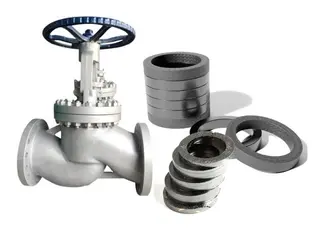
The core components of a globe valve include the body, disc, seat, stem, and packing gland. The interaction between the disc and the seat determines the valve's sealing performance. Depending on the flow path design, globe valves are generally categorized into Z-type, Y-type, and angle-type. The Z-type features an S-shaped flow path, which offers higher resistance but a compact structure; the Y-type has a relatively straight flow path with lower resistance; and the angle-type is suitable for applications involving pipeline direction changes. Each type exhibits distinct flow resistance and efficiency characteristics, so selection should be based on specific operating conditions.
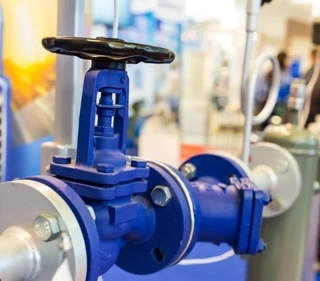
Pre-Installation Preparation for Globe Valve
Thorough preparation before installing a globe valve can significantly enhance construction efficiency and minimize risks during installation. Preparation includes gathering tools and materials, shutting off the water supply system, and cutting and preparing the pipes. The steps below outline the recommended sequence.
1. Tools and Materials Checklist
Before installation, prepare the following tools and materials: the globe valve itself, pipe wrench, PTFE sealing tape, pipe cutter, measuring tape, safety goggles, and protective gloves. For flange-connected globe valves, high-quality gaskets matching the valve specifications are also required. Preparing all tools and materials in advance ensures a smooth, efficient workflow and prevents interruptions due to missing items.
2. Shutting Off the Water Supply
The first step in installation is to shut off the water supply system. Locate the main supply valve for the installation area and turn it fully clockwise to close it. This step is critical to prevent water flow during construction, which could lead to leaks or flooding. After closing the main valve, it is recommended to open downstream drain points to remove residual water, ensuring the installation area remains dry.
3. Pipe Cutting and Preparation
Use a measuring tape to determine the length of the pipe section where the valve will be installed, and then cut the pipe to size using a pipe cutter. Ensure that the cut is clean and perpendicular to the pipe axis. After cutting, remove burrs and rough edges using a pipe wrench or specialized deburring tool. Burrs and sharp edges can compromise the sealing of the joint and may damage sealing materials during installation, so this step is essential.
Key Considerations for Globe Valve Selection
Correct valve selection is the foundation for long-term reliable operation. Mistakes during selection cannot be fully compensated for during installation or maintenance. Three core factors must be considered: material compatibility with the fluid, pressure and temperature ratings, and valve type and connection method.
1. Material Compatibility
The valve body and internal components must be compatible with the controlled fluid. Stainless steel offers excellent corrosion resistance, making it suitable for acidic or corrosive environments, while carbon steel provides high strength for high-pressure applications but may react chemically with corrosive media. Selecting appropriate seat and sealing materials is equally important: PTFE is suitable for general conditions, while graphite seals are better for high-temperature applications. In corrosive conditions, material compatibility often outweighs structural considerations in importance.
2. Pressure and Temperature Ratings
The selected valve must withstand the system's maximum operating pressure and temperature. If the valve's rated pressure is lower than the actual system pressure, leaks or even rupture may occur. Similarly, insufficient temperature rating can accelerate seal aging and failure. Therefore, always consult the manufacturer's technical specifications to ensure that the valve's pressure and temperature ratings meet operational requirements.
3. Valve Type and Connection Method
In addition to materials, pressure, and temperature, consider the valve's connection method. Globe valves are commonly available in threaded, flanged, and welded connections. Threaded connections are suitable for small-diameter pipes and are easy to install; flanged connections are convenient for disassembly and maintenance, suitable for medium to large diameters; and welded connections offer the best sealing performance for high-pressure and high-temperature applications. The connection type must match the pipe specifications for a secure installation.
Globe Valve Installation Steps
Once preparation and selection are complete, the installation process can begin. Installing a globe valve requires a specific sequence: sealing material application, valve tightening, and connection to the other end of the pipe. Each step has its own standards, as outlined below.
1. Wrapping Sealing Material
For threaded connections, wrap PTFE tape around the threads of the valve and pipe in a clockwise direction, covering the entire thread area but leaving approximately 6 mm at the end unwrapped. This gap prevents tape from entering the valve interior, which could impede the disc's movement. Wrap evenly and tightly, avoiding gaps or excessive overlap.
2. Valve Installation and Tightening
Carefully screw the valve onto the pipe threads, ensuring correct alignment. When tightening with a wrench, avoid over-torquing, which can damage the valve body or pipe threads and deform the valve. After tightening, check that the valve remains level and aligned. Adjust as necessary to maintain a vertical stem orientation.
3. Connecting the Opposite End
Repeat the same process for the other end: wrap tape, connect the pipe, and tighten. Ensure both ends are securely fastened, with no looseness. For flanged valves, tighten bolts in a crosswise pattern to distribute pressure evenly and prevent gasket deformation, which could cause leaks.
Importance of Globe Valve Installation Direction
Valve orientation is often overlooked but is crucial for proper globe valve operation. Unlike ball valves, which are generally bi-directional, globe valves have a designated flow direction. Incorrect installation, even with proper material selection and installation technique, can lead to premature failure.
1. Identifying Flow Direction
Globe valves usually have an arrow cast on the body, indicating the correct flow direction. The fluid should enter below the disc and exit above it, ensuring the valve seals against fluid pressure during closure. Proper orientation enhances sealing performance and extends service life.
2. Consequences of Reverse Installation
Installing the valve backward subjects the stem, packing, and seat to abnormal loads, accelerating wear. In low-pressure systems, the effects may be subtle, but in high-temperature or corrosive media, reverse installation accelerates deterioration and creates micro-leak paths. Turbulent flow can erode protective films on metal surfaces, exposing fresh metal to corrosion. Combined with the valve's internal flow turns, reverse installation exacerbates erosion and corrosion, significantly reducing service life.
3. Case Study
In a chemical pipeline handling mildly acidic condensate, a carbon steel globe valve with a PTFE seat was installed in reverse. After six months, a slow leak was detected near the bonnet. Inspection revealed localized corrosion on the seat surface. Reverse flow allowed corrosive fluid to remain trapped upstream of the disc, continuously attacking metal and sealing surfaces. This demonstrates that material selection alone cannot compensate for incorrect installation orientation.
Post-Installation Testing and Verification
After installation, valves must undergo testing before normal operation. Testing ensures installation quality and proper valve function, typically including pressure and functional tests.
1. Pressure Testing
Slowly reopen the main supply valve to restore flow while observing for leaks. For industrial systems, conduct formal pressure tests at pressures higher than the operating level, checking all joints and seals.
2. Functional Testing
Cycle the valve through full open, full closed, and intermediate positions, ensuring smooth operation. Difficulties in operation, noise, or vibration indicate potential issues, such as pipe stress, body deformation, or foreign objects, which must be addressed before use.
Routine Maintenance and Troubleshooting
Even with correct selection, installation, and testing, globe valves require periodic maintenance to ensure long-term reliability. Establishing inspection schedules, cleaning and lubricating moving parts, and timely troubleshooting can extend service life and reduce downtime.
1. Regular Inspections
Inspect valve body and seals for leaks, check fasteners, ensure smooth operation, and examine the stem packing and exterior for signs of corrosion or damage. Early detection of wear prevents sudden failures.
2. Cleaning and Lubrication
Remove debris from valve surfaces and moving parts. Use cleaning agents compatible with valve materials. Lubricate moving components with manufacturer-recommended lubricants to reduce friction and wear.
3. Common Troubleshooting
Leaks may arise from damaged seals, misaligned discs, or aged packing. Tighten bolts, replace gaskets, or repack stems as needed. Noise and vibration may indicate incorrect flow direction, inadequate support, or cavitation. Sticking may result from bent stems, deposits, or foreign objects. Addressing these promptly avoids further damage and higher repair costs.
Conclusion
Proper installation and maintenance of globe valves are fundamental to ensuring safe and efficient operation of piping systems. From careful material selection and adherence to flow direction during installation to establishing comprehensive maintenance routines, each step directly influences valve longevity and system reliability. Scientific management and standardized procedures reduce failure rates, maintenance costs, and downtime, ensuring long-term stability in both industrial and residential fluid control systems.
Send your message to this supplier
Related Articles from the Supplier
How to Properly Install Your Globe Valves
- Jun 02, 2026
How to Properly Install Pump and Valve Packing?
- Apr 27, 2025
How to Select Seals for Your Pump and Valve?
- May 06, 2025
How to Manufacture a Good Metal Wound Gasket?
- Aug 12, 2025
Related Articles from China Manufacturers
How to Properly Install a Control Valve
- May 30, 2024
How to Properly Install Steam Traps: Complete Guide
- Dec 24, 2025
How to Properly Use the Diapers for Baby in Summer
- Aug 08, 2016


How to properly maintain plush toys?
- Nov 05, 2021

How to Properly Seal PCR Plates
- May 17, 2024

How to Properly Sterilize Pipettes
- Apr 25, 2024
Related Products Mentioned in the Article

Supplier Website
Source: https://www.valvepackingsealkits.com/news/how-to-properly-install-your-globe-valves.html