
Key Code Door Lock Systems: Secure Keyless Access For Homes, Offices, And Industries
Introduction
As security technology continues to evolve, traditional mechanical locking systems are gradually being replaced by smarter and more convenient access solutions. Among the most popular innovations in the security industry is the key code door lock, a digital locking system that uses numeric passwords or PIN codes instead of conventional keys. These locks provide enhanced convenience, improved security management, and flexible access control for homes, offices, hotels, schools, hospitals, and industrial facilities.
The growing demand for smart homes, intelligent buildings, and contactless access systems has accelerated the adoption of key code door locks worldwide. Consumers and businesses are increasingly seeking secure and efficient entry solutions that eliminate the inconvenience of carrying physical keys while offering advanced features such as remote management, temporary access codes, audit trails, and smartphone integration.
Modern key code door locks combine electronic technology, durable mechanical structures, encryption systems, and intelligent software to create reliable and user-friendly security products. With continuous advancements in wireless connectivity, biometric integration, and IoT ecosystems, key code door locks are becoming an essential component of modern building security infrastructure.
This article explores the working principles, types, advantages, applications, installation requirements, market trends, and future developments of key code door locks while examining why they have become a preferred access control solution in both residential and commercial sectors.
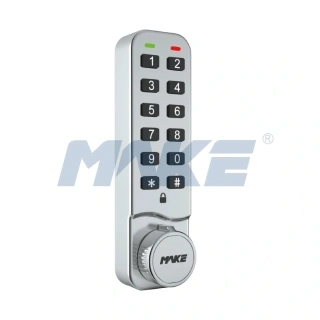
What Is a Key Code Door Lock?
A key code door lock is an electronic locking device that grants access through a numerical code entered via a keypad or touchscreen. Unlike traditional locks that rely solely on metal keys, key code locks use electronic authentication systems to verify authorized users before unlocking the door.
These locks may operate independently or as part of a larger smart access control system. Many modern models support multiple unlocking methods, including:
- PIN code access
- RFID cards
- Smartphone applications
- Bluetooth connectivity
- Wi-Fi remote control
- Fingerprint recognition
- Mechanical backup keys
Key code door locks are designed to provide higher convenience, flexible access permissions, and improved security monitoring compared to traditional mechanical locks.
How Key Code Door Locks Work
The operating mechanism of a key code door lock combines electronic authentication with mechanical locking components.
User Authentication
The user enters a PIN code on the keypad or touchscreen panel. The lock’s internal microcontroller compares the entered code with stored authorized passwords.
If the code matches:
- The system activates the motor or solenoid
- The locking mechanism retracts
- The door unlocks
- If the code is incorrect:
- Access is denied
The system may trigger an alarm after multiple failed attempts
Locking Mechanism
Most key code locks use one of the following mechanical systems:
Deadbolt Mechanism
A motorized deadbolt extends or retracts based on electronic commands.
Mortise Lock System
Common in commercial buildings, providing higher security and durability.
Latch Lock System
Typically used in residential applications for convenient daily operation.
Power Supply
Most electronic key code locks are battery-powered. Common battery types include:
- AA alkaline batteries
- Lithium batteries
- Rechargeable battery packs
- Many locks feature:
- Low-battery alerts
- Emergency power ports
- Mechanical backup key access
Smart Connectivity
Advanced smart locks may connect through:
- Wi-Fi
- Bluetooth
- Zigbee
- Z-Wave
- NFC technology
This allows remote access management, mobile notifications, and integration with smart home ecosystems.
Types of Key Code Door Locks
Different environments require different lock designs and security levels.
Residential Key Code Locks
These are designed primarily for homes and apartments. Features often include:
- Easy installation
- Touchscreen keypad
- Mobile app integration
- Auto-lock function
- Temporary guest codes
Residential smart locks focus heavily on convenience and aesthetics.
Commercial Keypad Locks
Commercial-grade locks provide stronger security and more advanced access management capabilities.
Features may include:
- Heavy-duty metal construction
- Multi-user access control
- Audit trail recording
- Network integration
- High-cycle durability
These locks are commonly installed in offices, warehouses, and retail facilities.
Standalone Key Code Locks
Standalone locks operate independently without requiring a central management system.
Advantages include:
- Simple installation
- Lower cost
- Basic access control
- Suitable for small businesses and homes
Networked Smart Locks
Network-connected systems allow centralized control and remote monitoring.
Capabilities include:
- Cloud management
- Real-time notifications
- Remote unlocking
- Scheduled access
- User activity logs
These systems are widely used in smart buildings and hospitality industries.
Biometric Key Code Locks
Some advanced models combine PIN code access with biometric authentication such as:
- Fingerprint recognition
- Facial recognition
- Palm vein scanning
This multi-factor authentication significantly enhances security.
Advantages of Key Code Door Locks
The popularity of key code door locks continues to grow due to their numerous benefits.
Enhanced Convenience
Users no longer need to carry physical keys. This eliminates:
- Lost keys
- Forgotten keys
- Key duplication concerns
Access can be granted instantly through a simple code entry.
Improved Security
Modern electronic locks provide advanced protection features such as:
- Anti-tamper alarms
- Encryption technology
- Auto-lock functionality
- Wrong-code lockout
- Access history recording
Many smart locks also send alerts when unauthorized access attempts occur.
Flexible Access Management
Key code locks allow administrators to:
- Create temporary codes
- Set scheduled access times
- Delete user permissions instantly
- Monitor entry records
This flexibility is especially valuable for:
- Rental properties
- Offices
- Hotels
- Shared workspaces
Reduced Operational Costs
Businesses benefit from reduced expenses associated with:
- Rekeying locks
- Replacing lost keys
- Security staff management
Electronic access control improves operational efficiency.
Contactless Access
The global emphasis on hygiene and touchless technologies has accelerated demand for contactless smart locking systems.
Many modern locks support:
- Mobile phone unlocking
- Voice assistant integration
- Remote entry management
Security Features in Modern Key Code Door Locks
Manufacturers continue to develop advanced security technologies to protect against unauthorized access.
Anti-Peeping Password Protection
Some locks allow users to enter random digits before or after the actual password to prevent code theft.
Automatic Locking
Doors automatically lock after closing, reducing the risk of accidental unsecured entry.
Intrusion Alarm
Locks may trigger alarms when:
- Multiple incorrect codes are entered
- Forced entry is detected
- The lock is tampered with
Encryption Technology
Secure encryption protocols protect communication between the lock and connected devices.
Common encryption methods include:
- AES encryption
- SSL security protocols
- Two-factor authentication
Remote Monitoring
Smart locks can send notifications regarding:
- Door opening events
- Failed access attempts
- Battery status
- Tampering alerts
Materials and Construction
Durability is essential for long-term lock performance.
Zinc Alloy
Widely used for:
- Corrosion resistance
- Attractive appearance
- Cost efficiency
Stainless Steel
Preferred for commercial and industrial applications due to:
- High strength
- Wear resistance
- Long service life
Aluminum Alloy
Offers:
- Lightweight construction
- Modern aesthetics
- Good corrosion resistance
Hardened Steel Components
Critical internal parts often use hardened steel for:
- Anti-drilling protection
- Enhanced mechanical strength
Applications of Key Code Door Locks
Key code door locks are used across numerous industries and environments.
Residential Homes
Homeowners appreciate:
- Keyless convenience
- Remote control features
- Guest access management
- Integration with smart home systems
Apartment Buildings
Property managers use electronic locks for:
- Tenant management
- Temporary visitor access
- Reduced maintenance costs
- Improved security control
Hotels and Hospitality
Hotels increasingly deploy smart locks that support:
- Temporary guest credentials
- Mobile check-in
- Centralized room management
This improves customer convenience and operational efficiency.
Office Buildings
Commercial offices use key code systems for:
- Employee access control
- Restricted area protection
- Attendance tracking
- Security monitoring
Educational Institutions
Schools and universities require secure access systems for:
- Classrooms
- Laboratories
- Dormitories
- Administrative offices
Electronic locks help improve campus security.
Healthcare Facilities
Hospitals use smart locks to secure:
- Medical storage rooms
- Laboratories
- Patient record areas
- Pharmaceutical inventory
Access logs improve accountability and compliance.
Industrial Facilities
Factories and warehouses rely on robust electronic locks for:
- Equipment protection
- Controlled access zones
- Employee authorization management
Installation Considerations for Key Code Lock
Proper installation ensures reliable lock operation and long-term durability.
Door Compatibility
Users should verify:
- Door thickness
- Backset dimensions
- Material compatibility
- Existing lock holes
- Power Requirements
Battery life depends on:
- Usage frequency
- Connectivity features
- Environmental conditions
Some systems include backup power options.
Weather Resistance
Outdoor installations require:
- Waterproof design
- Dust protection
- UV resistance
- Corrosion-resistant materials
IP-rated locks provide improved environmental durability.
Connectivity Infrastructure
Smart locks may require:
- Wi-Fi coverage
- Bluetooth compatibility
- Smart home hubs
- Mobile applications
Reliable connectivity ensures smooth operation.
Integration with Smart Home Systems
Key code door locks are increasingly integrated into smart home ecosystems.
Voice Assistant Compatibility
Many locks support:
- Amazon Alexa
- Google Assistant
- Apple HomeKit
Users can control access through voice commands.
Mobile App Control
Dedicated applications allow users to:
- Unlock doors remotely
- Receive notifications
- Create temporary access codes
- Monitor activity logs
Smart Automation
Locks can integrate with:
- Security cameras
- Alarm systems
- Lighting controls
- Smart thermostats
Automation improves both security and convenience.
Challenges Facing the Industry
Despite rapid growth, the key code door lock industry faces several challenges.
Cybersecurity Risks
Internet-connected locks may become vulnerable to:
- Hacking attempts
- Malware attacks
- Data breaches
Manufacturers continue enhancing encryption and firmware security.
Battery Dependency
Electronic locks rely heavily on stable power supply systems.
Users must monitor:
- Battery levels
- Backup access methods
- Emergency charging options
Initial Cost
Smart locks are typically more expensive than conventional mechanical locks.
However, long-term benefits often justify the investment.
User Privacy Concerns
Connected devices collect user access data, raising concerns about:
- Data security
- Privacy protection
- Cloud storage safety
Manufacturers must comply with evolving cybersecurity regulations.
Emerging Technologies in Key Code Door Locks
Technological innovation continues transforming the smart lock industry.
Artificial Intelligence
- AI-powered locks may analyze:
- User behavior
- Access patterns
- Suspicious activities
This enhances predictive security capabilities.
Facial Recognition
Advanced biometric systems now support highly accurate facial authentication.
Benefits include:
- Touchless access
- Faster verification
- Higher security levels
Cloud-Based Access Management
Cloud technology enables:
- Multi-property management
- Remote system updates
- Real-time monitoring
- Scalable access control
Blockchain Security
Some developers are exploring blockchain technology for:
- Decentralized authentication
- Tamper-resistant access logs
- Improved cybersecurity
Energy-Efficient Design
Manufacturers are improving battery efficiency through:
- Low-power chipsets
- Sleep-mode operation
- Solar-assisted charging systems
Market Trends and Global Demand
The global smart lock market continues expanding rapidly.
Several factors drive industry growth:
- Smart home adoption
- Urbanization
- Security awareness
- IoT integration
- Contactless technology demand
Asia-Pacific remains a major manufacturing hub due to:
- Strong electronics production capabilities
- Cost-effective manufacturing
- Rapid urban development
North America and Europe continue seeing strong demand for premium smart security products.
Commercial buildings, hotels, and residential developments are increasingly adopting digital access control systems as part of broader smart infrastructure initiatives.
Choosing the Right Key Code Door Lock
Selecting the proper lock depends on multiple factors.
Security Level
Users should evaluate:
- Encryption features
- Build quality
- Authentication methods
- Certification standards
Application Environment
Different environments require different protection levels.
For example:
- Outdoor gates require weather resistance
- Commercial facilities require heavy-duty construction
- Residential users may prioritize aesthetics
Connectivity Needs
Some users prefer:
- Standalone offline locks
- Bluetooth-only systems
- Full Wi-Fi remote management
The choice depends on convenience and cybersecurity preferences.
Ease of Installation
DIY-friendly models are ideal for residential consumers, while commercial systems often require professional installation.
Brand Reputation and Support
Reliable manufacturers typically offer:
- Firmware updates
- Technical support
- Warranty services
- Security certifications
Future Outlook of the Key Code Door Lock Industry
The future of key code door locks appears highly promising as smart building technology continues advancing worldwide.
Several trends are expected to shape the market:
- Greater AI integration
- Expanded biometric authentication
- Improved cybersecurity protocols
- Deeper smart home connectivity
- Sustainable energy-efficient designs
As consumers continue embracing digital lifestyles, demand for intelligent access control solutions will likely accelerate across residential, commercial, industrial, and institutional sectors.
The transition from traditional keys to digital credentials represents a major shift in how people manage security and building access.
Conclusion
Key code door locks have become an important part of modern security systems by combining convenience, flexibility, and intelligent access control. Their ability to eliminate physical keys, improve user management, and integrate with smart technologies makes them highly attractive for homes, offices, hotels, educational institutions, healthcare facilities, and industrial applications.
Advancements in wireless communication, biometric authentication, cloud computing, and AI-driven security are continuously expanding the capabilities of smart locking systems. Although challenges such as cybersecurity risks and battery dependency remain important considerations, ongoing technological improvements are making electronic locks more secure, reliable, and user-friendly.
As global demand for smart infrastructure and contactless access solutions continues growing, key code door locks are expected to play a central role in the future of intelligent building security systems worldwide.
Send your message to this supplier
Related Articles from the Supplier
What Key Systems Are Available for Cam Locks?
- Sep 07, 2023

Lock and Key System Solutions
- Dec 08, 2014
Understanding Master Key Systems
- Jun 19, 2024
Related Articles from China Manufacturers

Key Considerations in Hot Forging
- May 25, 2024

Key Points of Installating Blasting Machine
- Jan 05, 2016
Key Features of Metal Seated Ball Valves
- Mar 07, 2024


Key Points for Transforming of Fiber Optic Industry
- Dec 17, 2015
Key Technologies for Simulation Software of Stamping
- May 11, 2016

Related Products Mentioned in the Article
Supplier Website
Source: https://www.makelocks.com/news/key-code-door-lock-systems-secure-keyless-access-for-homes-offices-and-industries.html