
Top Benefits of Key Code Locks for Offices, Factories, and Institutional Buildings
Introduction
As industries move toward smarter, more efficient, and more secure access solutions, key code locks have emerged as one of the most reliable and widely adopted technologies in commercial, institutional, and industrial environments. Once limited to basic push-button mechanisms on cabinets or utility areas, today's key code locks integrate advanced electronics, improved mechanical engineering, and increasingly intelligent software controls to provide flexible, keyless access management across a wide range of applications.
From corporate offices to hospitals, from data centers to manufacturing plants, key code locks are becoming an essential component of modern security infrastructure. They offer streamlined operation, eliminate the risk of lost keys, and support multi-user environments where access permissions must be controlled and updated regularly.
This industry news report takes a deep dive into the evolution, functionality, types, applications, innovations, and future trends surrounding key code locks, highlighting why the global market is experiencing accelerated growth as keyless access control becomes the new standard.
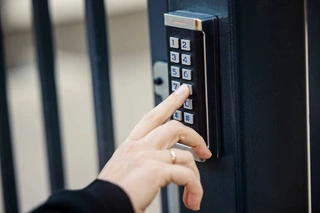
What Is a Key Code Lock?
A key code lock—also known as a combination lock, keypad lock, or push-button lock—is a keyless device that grants access through the entry of a preset numerical code rather than a physical key. The user enters a 4-8 digit combination on a mechanical or electronic keypad, and upon correct input, the lock disengages.
Key code locks have become popular due to several advantages:
- No physical keys to manage or replace
- No risk of key loss or unauthorized duplication
- Quick, convenient access for authorized employees or users
- Easy code changes to modify or revoke access
- Lower long-term maintenance compared to traditional keyed locks
- Compatibility with many types of doors, cabinets, lockers, and storage enclosures
For industrial and commercial environments where personnel access may change frequently, key code locks offer a practical balance between security, convenience, and operational efficiency.
Types of Key Code Locks
1. Electronic Key Code Locks
Electronic key code locks are powered by batteries or a direct electrical connection. They feature an electronic circuit that verifies the input code and automatically releases the locking mechanism if the code is correct.
Key Features of Electronic Key Code Lock
- 4-8 digit programmable user code
- Automatic latch release
- Audible or visual confirmation alerts
- Backlit keypads for low-light areas
- Battery low-power alerts
- Multi-user codes on advanced models
- Optional emergency key override
Electronic key code locks are commonly installed in offices, medical facilities, government buildings, schools, and industrial facilities where frequent access updates or multi-user control is required.
Advantages of Electronic Key Code Lock
- No physical effort required—door unlocks automatically
- Faster access with simple push-to-open functionality
- Multiple programmable codes for various users
- Option for integration with digital access control systems
2. Mechanical Key Code Locks
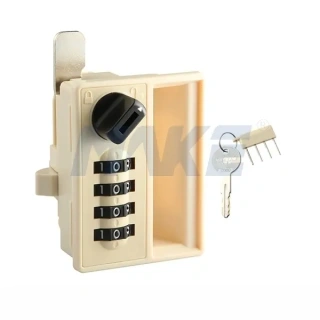
Mechanical key code locks operate without batteries or electricity. They rely on precision-engineered mechanical pushbuttons combined with internal combination wheels. After the correct code is entered, users manually turn a knob or lever to disengage the lock.
Key Features of Mechanical Key Code Lock
- Completely power-free
- Weather-resistant and suitable for outdoor use
- Highly durable mechanical components
- Ideal for low-maintenance applications
Advantages of Mechanical Key Code Lock
- No wiring or power supply required
- Exceptionally long service life
- Can withstand harsh environments and temperature variations
- Reliable even during power outages
Mechanical key code locks are popular in industrial plants, warehouses, outdoor enclosures, chemical storage areas, and any environment requiring robust, maintenance-free access security.
Industry Applications and Use Cases
Key code locks are deployed across multiple industries due to their reliability and ease of use. Below are some key sectors using them to streamline security operations.
1. Corporate and Commercial Buildings
- Office rooms
- Conference rooms
- Server rooms
- Storage cabinets
- Shared workspaces
Key code locks eliminate the need for key distribution and allow facility managers to easily reset access codes when employees change roles or leave the organization.
2. Healthcare and Pharmaceuticals
- Medical supply rooms
- Prescription drug cabinets
- Doctor and nurse workstations
- Patient record storage
Hospitals benefit from keyless systems that provide secure but fast entry during critical moments while maintaining regulatory compliance regarding controlled substances and patient data protection.
3. Education Institutions
- Classroom doors
- Laboratories
- Equipment storage rooms
- Student lockers
- Administrative offices
Schools and universities use key code locks to reduce the cost and complexity of managing hundreds of keys while ensuring secure access for teachers and authorized students.
4. Industrial and Manufacturing Facilities
- Chemical storage rooms
- Tool cribs
- Machinery control panels
- Restricted-access zones
- Hazardous materials storage
Mechanical key code locks, with their rugged construction, are especially common in environments where dust, vibrations, and temperature extremes can impact electronic devices.
5. Retail and Hospitality
- Back-of-house stockrooms
- Cash offices
- Employee lockers
- Supply closets
- Guest access areas
Retailers appreciate the ability to update codes regularly to eliminate security risks when personnel turnover is high.
6. Residential and Smart Home Markets
- Front doors
- Garage access
- Home offices
- Personal storage units
As smart home adoption rises, key code locks serve as entry-level access control systems for homeowners who want keyless convenience without installing a full smart lock ecosystem.
Why Key Code Locks Are Gaining Global Popularity
Several industry trends contribute to the widespread adoption of key code lock technology:
1. Increasing Demand for Keyless Access
Industries seek ways to eliminate the liabilities associated with physical keys, such as loss, duplication, or unauthorized access.
2. Rise of Multi-User Environments
Modern workplaces rely on shared spaces and rotating staff. Key code locks simplify collective access while maintaining accountability.
3. Enhanced Security Standards
Regulations in healthcare, data protection, hazardous materials, and pharmaceuticals increasingly require controlled and auditable access—something keypad systems support efficiently.
4. Long-Term Cost Efficiency
Although initial installation costs may be higher than traditional locks, reduced key management overhead and fewer replacements make key code locks cost-effective in the long run.
5. Integration With Digital Technologies
Advanced electronic keypad locks now integrate with:
- Facility management platforms
- Access monitoring systems
- Audit trail software
- Bluetooth or Wi-Fi modules
This transforms them from simple locks into intelligent security tools.
Technological Innovations Shaping the Key Code Lock Industry
1. Multi-Layer Authentication
Some new-generation locks combine keypad codes with:
- RFID cards
- Smartphones
- Biometric verification
This hybrid security model enhances protection in sensitive environments.
2. Wireless Connectivity
BLE (Bluetooth Low Energy) and Wi-Fi enabled models allow:
- Remote code changes
- Real-time access logs
- Temporary guest codes
- Remote unlock via mobile apps
These features are increasingly in demand for property management firms.
3. Anti-Tamper Protection
High-security models include:
- Tamper detection alarms
- Lockout mode after multiple failed attempts
- Reinforced housings to prevent forced entry
Mechanical models are engineered with stainless-steel internal components to withstand heavy use.
4. Weatherproof and Industrial-Grade Designs
Outdoor and industrial locks now offer:
- IP65 to IP67 ratings
- Temperature tolerance from -40°C to 85°C
- UV-resistant keypads
- Anti-corrosion finishes
These improvements ensure reliable operation in the harshest conditions.
5. Energy-Efficient Electronic Mechanisms
Latest designs use:
- Low-power circuit boards
- Long-lasting lithium batteries
- Auto-sleep modes
This results in battery life of 1–3 years with normal usage.
Challenges in the Key Code Lock Market
Despite their advantages, the industry faces challenges, including:
1. Code Sharing and Human Behavior
Unauthorized sharing of codes among employees can compromise security. Many companies now adopt routine code-change policies.
2. Mechanical Wear in High-Usage Areas
Heavy industrial doors may require reinforced mechanical models designed for repeated operation.
3. Battery Maintenance in Electronic Models
If batteries are neglected, access failure may occur. Smart alert systems are helping to solve this issue.
4. Integration Needs
As more businesses upgrade to digital ecosystems, some older keypad models lack compatibility with modern access control platforms.
Market Outlook and Industry Growth Trends
The global key code lock market is experiencing steady growth as industries transition toward digital and keyless security systems.
Key Market Drivers
- Expansion of smart building infrastructure
- Growth of commercial real estate
- Rapid digitalization in healthcare and industrial sectors
- Increasing demand for secure, controlled access in educational facilities
- Rising adoption of smart home technologies
Market Predictions
- The key code lock industry is projected to grow steadily between 2025–2030.
- Electronic key code locks will lead market expansion due to smart connectivity.
- Mechanical models will maintain demand in heavy-duty industrial sectors.
Best Practices for Selecting a Key Code Lock
To maximize security and operational efficiency, organizations should consider these factors when selecting a key code lock:
1. Application Environment
- Indoor vs outdoor
- Temperature and humidity conditions
- Exposure to chemicals or dust
2. Security Level Requirements
- Single-user vs multi-user
- Need for audit trails
- Regulatory compliance needs
3. Power Source
- Battery-powered
- Wired electronic
- Mechanical (no power needed)
4. Durability
- Material strength
- Anti-corrosion coatings
- Mechanical cycle longevity
5. User Convenience
- Backlit keypads
- Auto-lock features
- Ease of code changes
6. Integration Capabilities
- Smart lock ecosystems
- Facility management systems
- Remote programming options
Future Trends: Where Is the Industry Heading?
1. Smart Integration and IoT
Electronic key code locks will increasingly become part of the broader Internet of Things (IoT), enabling:
- Predictive maintenance
- Access analytics
- Real-time connectivity
2. Hybrid Access Solutions
Future locks will merge keypad, biometric, and mobile-based access methods for multi-factor security.
3. Sustainable Security Devices
Manufacturers are shifting toward:
- Longer-lasting batteries
- Energy-efficient components
- Recyclable materials
4. AI-Assisted Access Management
Artificial intelligence will help detect unusual access patterns and alert security teams.
Conclusion
Key code locks have evolved from simple push-button mechanisms into sophisticated access control solutions essential to modern commercial, industrial, and institutional environments. Whether mechanical or electronic, these devices provide a combination of convenience, durability, and security that aligns with the needs of today's facilities.
Their popularity continues to rise as organizations seek keyless, cost-efficient, and adaptable security systems. With ongoing advancements in electronics, connectivity, and mechanical engineering, the key code lock industry is poised for continued growth—shaping the next generation of access control technologies.
Send your message to this supplier
Related Articles from the Supplier
Top 8 Industrial Lock Manufacturers in China
- Nov 24, 2021
China Top 10 Intelligence Lock Brand
- May 18, 2016
Related Articles from China Manufacturers

Top Lockers Attended 3rd Phase 114th Canton Fair
- Feb 13, 2015
Top Lockers Basketball Game
- Feb 13, 2015
Top Lockers Team Building
- Feb 13, 2015

Top Lockers Company Awards Ceremony
- Feb 13, 2015

Top Lockers Company Expo Schedule
- Feb 13, 2015

Top Lockers Expo Index
- Feb 13, 2015

Top Lockers 10 Years’ Anniversary
- Aug 04, 2015
Related Products Mentioned in the Article

Supplier Website
Source: https://www.makelocks.com/news/top-benefits-of-key-code-locks-for-offices-factories-and-institutional-buildings.html