
What You Need to Know About Hastelloy Valves
Hastelloy valves are industrial valves manufactured from Hastelloy, a special nickel-based alloy material. Hastelloy is a high-performance alloy whose main component is nickel, typically containing a relatively high proportion of nickel, together with alloying elements such as molybdenum and chromium for strengthening. These elements act synergistically on the valve surface, forming a dense and stable protective film, which effectively blocks the attack of various corrosive media on the valve body.
Compared with traditional stainless steel or other common alloy materials, Hastelloy exhibits significantly superior overall performance. The melting point of Hastelloy is approximately 1260°C, which allows Hastelloy valves to operate reliably not only in low-temperature environments but also under high-temperature working conditions. At the same time, Hastelloy possesses high mechanical strength, enabling stable operation in high-pressure pipeline systems.
It is important to note that due to the relatively high density of Hastelloy (approximately 8890 kg/m³), valves made from this material are relatively heavy. This is an important practical factor that must be taken into consideration during structural design, installation, and support planning.
Core Advantages of Hastelloy Valves
The widespread application of Hastelloy valves in industrial fields is mainly due to their outstanding performance in several key aspects. The following explanation is organized around corrosion resistance, media compatibility, service life, and compliance with safety and environmental requirements.
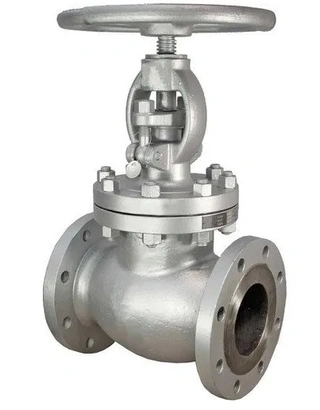
1. Outstanding Corrosion Resistance
The most significant feature of Hastelloy valves is their exceptional corrosion resistance. These valves are capable of resisting a wide variety of corrosive media, including strong acids, alkalis, and highly aggressive chemical compounds. In the chemical processing industry, large quantities of highly corrosive substances are handled on a daily basis. Ordinary valve materials often fail under such conditions, whereas Hastelloy valves can maintain stable operation in harsh environments and effectively control fluid flow without suffering corrosion-induced failure.
Different grades of Hastelloy materials offer different corrosion resistance characteristics. For example, Hastelloy C-276 is a commonly used grade with excellent overall corrosion resistance. It can withstand both oxidizing acids and reducing acids and is widely used in chemical processing, pollution control, and other industries requiring high corrosion resistance. On the other hand, Hastelloy C-22 exhibits particularly strong resistance to pitting corrosion, crevice corrosion, and stress corrosion cracking, making it suitable for applications where localized corrosion resistance is critical.
2. Wide Media Compatibility
Hastelloy valves are compatible with a broad range of media, including acids, alkalis, and various organic chemical compounds. This wide compatibility makes them widely used in chemical reactors and pipeline systems transporting highly corrosive fluids. These valves effectively prevent leakage and maintain system integrity, thereby significantly improving the overall safety and reliability of industrial operations.
3. Long Service Life and Low Maintenance Requirements
Due to their excellent durability, Hastelloy valves can significantly extend service life and reduce downtime caused by frequent equipment replacement. Their relatively low maintenance requirements further help reduce operational costs, which is especially important in remote locations or harsh environments where maintenance conditions are limited. From a long-term operational perspective, although the initial investment cost is relatively high, the reduced maintenance frequency and extended replacement cycles can lead to overall lifecycle cost savings.
4. Compliance with Safety and Environmental Regulations
In industries where safety and environmental protection are highly emphasized, Hastelloy valves comply with strict regulatory standards. Their excellent corrosion resistance helps prevent leakage, reduce the risk of accidents, and meet modern industrial requirements for safe production and environmental protection.
Main Types and Working Principles of Hastelloy Valves
Based on structural design and functional requirements, Hastelloy valves can be divided into multiple types. Each type has its own working principle and application scenario, as described below.
1. Hastelloy Ball Valves
Hastelloy ball valves use a spherical closing element as the control component. A through-hole is machined in the center of the ball, and the ball is installed between valve seats. When the hole aligns with the pipeline direction, the valve is in the open position and fluid can flow freely. When the ball is rotated 90 degrees so that the hole is perpendicular to the pipeline, the valve is closed and flow is completely blocked.
These valves can be operated either manually or by actuators. They are suitable for gases, liquids, and steam media. Their main advantages include fast and simple operation, compact structure, various size options, low pressure drop, and easy installation and maintenance. However, due to their rapid opening and closing characteristics, water hammer effects may occur, and they are not suitable for throttling applications.
2. Hastelloy Plug Valves
Hastelloy plug valves control fluid flow through a cylindrical or tapered plug element. The plug contains a central through-hole, and flow control is achieved by rotating the plug 90 degrees. These valves can be operated manually or equipped with electric or pneumatic actuators.
Their advantages include simple and compact structure, low flow resistance, low maintenance cost, and ease of cleaning and servicing. However, they require relatively high operating torque and are not suitable for throttling control. Some plug valve designs include multi-port configurations, allowing multi-directional flow distribution and control.
3. Hastelloy Check Valves
Hastelloy check valves are used to prevent reverse flow and are also known as non-return valves or one-way valves. They allow flow in only one direction. When system pressure changes, the valve disc opens or closes automatically without external driving force.
Their advantages include automatic operation without manual intervention, relatively low cost, low flow resistance, and fast response. However, because of rapid closure, water hammer may occur, making them unsuitable for pulsating flow conditions.
4. Hastelloy Gate Valves
Hastelloy gate valves control flow by raising or lowering a gate plate. When fully open, they provide almost no resistance to fluid flow, making them suitable for high-pressure, high-temperature, and bi-directional flow systems. However, they are not suitable for throttling applications and have relatively slow operation, requiring multiple turns of a handwheel or actuator to fully open or close.
5. Hastelloy Globe Valves
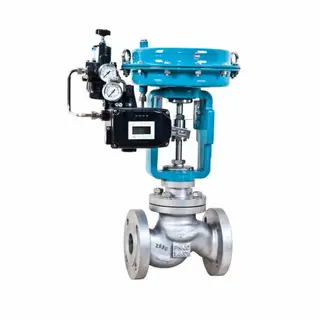
Hastelloy globe valves use a spherical body structure and regulate flow by vertical movement of the valve disc. They are among the most suitable valve types for throttling control. Compared with gate valves, they operate faster, but due to a more complex flow path, they generate higher pressure drop. Therefore, they are widely used in applications requiring precise flow regulation, such as chemical processing and automatic control systems.
Application Fields of Hastelloy Valves
Hastelloy valves are widely used in many industrial sectors due to their excellent performance:
In the chemical and petrochemical industry, large amounts of corrosive chemicals are processed, and Hastelloy valves ensure safe flow control and prevent corrosion-related failures and leakage accidents.
In the oil and gas industry, pipelines and equipment are exposed to corrosive substances such as seawater and hydrogen sulfide. Hastelloy valves provide reliable resistance to these conditions, ensuring safe operation and reducing costly downtime caused by equipment failure.
In the pharmaceutical industry, extremely high requirements for cleanliness and purity are required. Hastelloy valves resist chemical cleaning agents, are easy to clean and sterilize, and help prevent contamination, ensuring product safety and quality.
In marine engineering, seawater corrosion is severe. Hastelloy valves are widely used in offshore platforms and ship systems due to their excellent corrosion resistance.
In power and energy systems, they are used in steam power plants, boiler feedwater systems, and other high-temperature and high-pressure environments.
Other applications include water supply systems, paper manufacturing, mining industry, and food processing, where corrosion-resistant fluid control is required.
Comparison with Other Valve Materials
- Comparison with Titanium Valves: Titanium valves have high strength and good corrosion resistance in certain environments. However, under strong acid or extreme corrosive conditions, their performance is generally inferior to Hastelloy valves. Hastelloy offers a broader range of chemical resistance and is more suitable for handling aggressive media.
- Comparison with Inconel Valves: Inconel valves, also nickel-based alloys, provide excellent high-temperature performance and good corrosion resistance. However, in certain corrosive environments such as reducing acids, Hastelloy valves typically demonstrate superior corrosion resistance. The selection between these materials depends on specific media composition and operating conditions.
Operating Methods of Hastelloy Valves
Hastelloy valves can be operated either manually or automatically.
Manual valves are equipped with a handwheel. Operators rotate the handwheel to control valve position: counterclockwise to open and clockwise to close. This method is simple, intuitive, and suitable for applications without frequent operation or remote control requirements.
Automatic valves are equipped with electric, pneumatic, or hydraulic actuators and can be integrated into control systems for remote and automated operation. These are suitable for applications requiring frequent adjustment, fast response, or centralized control.
Common Faults and Troubleshooting Methods
During operation, the following issues may occur:
- No flow condition is usually caused by pipeline blockage, requiring inspection and cleaning.
- Difficulty in handwheel operation may be caused by internal blockage or stem damage, requiring cleaning or replacement of components.
- Flange leakage is often caused by gasket damage or loose bolts, requiring gasket replacement or re-tightening.
- Seat leakage is typically caused by wear or contamination of the seat or core, requiring cleaning or replacement.
- Incomplete opening or closing is usually caused by dirt on the stem or seat, requiring cleaning.
Installation and Maintenance Key Points
Despite excellent corrosion resistance, proper installation and maintenance remain essential.
Installation must strictly follow manufacturer specifications to ensure correct orientation, stable support, and reliable connections. Improper installation may still lead to premature failure or leakage.
Regular maintenance should include inspection of sealing performance, operating condition, and surface condition. Periodic cleaning extends service life. Valves that remain inactive for long periods should be operated periodically to prevent sticking.
Limitations of Hastelloy Valves
Hastelloy valves also have certain limitations:
- They are relatively heavy due to high material density, requiring stronger support structures.
- They are difficult to machine, resulting in higher manufacturing costs.
- They are expensive compared with conventional valves, making them less economical in non-corrosive applications.
Summary
Hastelloy valves are high-performance nickel-based alloy valves that can be operated manually or automatically to control fluid flow. They offer excellent corrosion resistance, high strength, and adaptability to high-temperature and high-pressure environments.
Common types include ball valves, plug valves, check valves, gate valves, and globe valves, each serving different control functions. They are widely used in chemical, oil and gas, pharmaceutical, energy, and various industrial sectors.
Their main advantages include high strength, strong corrosion resistance, wide applicability, and long service life. Although they have disadvantages such as high weight and high cost, their long-term reliability in corrosive environments often outweighs the initial investment.
In industries involving corrosive media, Hastelloy valves provide stable and reliable fluid control solutions. Proper selection of grade and type, combined with correct installation and maintenance, ensures safe operation, reduces equipment failures and downtime, and improves overall industrial safety, reliability, efficiency, and environmental performance.
Send your message to this supplier
Related Articles from the Supplier
What You Need to Know About Hastelloy Valves
- Apr 20, 2026

Pinch Valve Selection Guide: What You Should Know
- Jul 16, 2026
What are Double Block and Bleed Ball Valves?
- Dec 27, 2024
What are Diaphragm Valves?
- Dec 30, 2024
What are Eccentric Segmented Ball Valves?
- Aug 27, 2025
Related Articles from China Manufacturers
What You Need to Know About Y-Strainer
- Oct 26, 2023
What You Need to Know About High Pressure Valve
- Mar 08, 2024
What You Need to Know About Bellows Seal Gate Valves
- Jul 25, 2025

What Do You Need to Know about RUNMA Take Out Robots
- Aug 02, 2019


Off-Gassing in Your New Home: What You Need to Know
- Dec 17, 2024
Related Products Mentioned in the Article

Zhejiang Kosen Valve Co., Ltd.
- https://www.kosenvalve.com/
- Business Type: Industry & Trading, Manufacturer,
Supplier Website
Source: https://www.kosenvalve.com/media-hub/what-you-need-to-know-about-hastelloy-valves.html