
Guide to Soft Seal Butterfly Valves
A soft seal butterfly valve is a type of butterfly valve that uses a sealing pair composed of soft non-metallic materials combined with metal. Its core advantages lie in excellent sealing performance and flexible operation, making it primarily used for on-off control and flow regulation of media in pipeline systems. Compared with metal hard-sealed valves, soft seal butterfly valves can more easily achieve zero leakage under normal temperature, normal pressure, or low-to-medium pressure conditions. In addition, they feature low operating torque, a compact structure, and minimal installation space requirements. As a result, they are widely used in industries such as water supply and drainage, water treatment, ventilation and dust collection, light industry, and chemical processing.
To ensure proper valve selection and fully utilize its performance advantages, it is necessary to develop a systematic and comprehensive understanding of soft seal butterfly valves from multiple aspects, including structural composition, valve types, sealing materials, connection methods, as well as practical applications and maintenance.
Definition and Basic Structure of Soft Seal Butterfly Valves
A soft seal butterfly valve is a valve that employs a sealing pair formed by a combination of soft non-metallic materials and metal materials. One side of the sealing pair is metallic, while the other side consists of an elastic non-metallic material, such as rubber or polytetrafluoroethylene (PTFE). This structural design allows soft seal butterfly valves to achieve excellent sealing performance and even zero leakage. However, it also brings certain limitations, such as poor resistance to high temperatures, susceptibility to wear, and relatively lower mechanical strength.
The main components of a soft seal butterfly valve include the valve body, disc, stem, sealing ring, and actuator. The disc is installed along the diameter of the pipeline and is connected to the actuator through the valve stem. It rotates around its axis inside the valve body to realize opening and closing of the valve. The sealing ring is fixed to either the disc or the valve seat and serves as the primary sealing element.
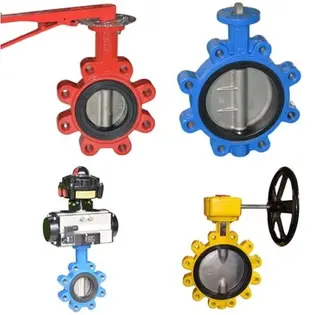
Common Types of Soft Seal Butterfly Valves
- Concentric (Centerline) Soft Seal Butterfly Valves: Concentric soft seal butterfly valves are among the most common types of soft seal butterfly valves. Their sealing element is located along the centerline of the pipeline, resulting in a simple structure and long service life. They are suitable for pipeline connections handling a wide range of media. These valves are commonly used in applications involving corrosive liquids or gases, such as in chemical and pharmaceutical industries. Due to reliable sealing performance and low maintenance requirements, concentric soft seal butterfly valves are highly favored in industrial applications.
- Double Eccentric Soft Seal Butterfly Valves: Double eccentric soft seal butterfly valves are a special type of butterfly valve featuring two independent offsets. This design allows the valve to withstand pressure from both directions. These valves are widely used in industries such as petroleum, chemical processing, metallurgy, and power generation. The sealing elements are typically made of rubber, providing good corrosion resistance and wear resistance. The double eccentric design ensures stable sealing performance under bidirectional pressure, making these valves indispensable components in industrial pipeline systems.
Sealing Materials of Soft Seal Butterfly Valves
- Rubber Sealing Rings: Rubber sealing rings are one of the most commonly used sealing materials in soft seal butterfly valves. They offer advantages such as corrosion resistance, wear resistance, and reusability, effectively preventing media leakage. However, rubber sealing rings are relatively expensive, and their performance deteriorates under high-temperature conditions. As a result, they are less commonly used in large-diameter butterfly valves.
- PTFE (Polytetrafluoroethylene) Sealing Rings: PTFE sealing rings are high-performance sealing materials known for their resistance to high temperatures, high pressures, and leakage. Soft seal butterfly valves equipped with PTFE sealing rings can maintain reliable sealing performance under harsh conditions, including elevated temperatures and pressures. However, due to their higher cost, PTFE sealing rings are typically used in small-diameter butterfly valves.
Connection Methods of Soft Seal Butterfly Valves
- Flanged Connection: Flanged connection is a common pipeline connection method suitable for soft seal butterfly valves. It features a simple structure and ease of maintenance, making it especially suitable for large-diameter pipelines. Flanged connections ensure tight integration between the valve and the pipeline, thereby maintaining sealing performance. During installation, proper placement of flange gaskets is essential to prevent leakage.
- Wafer Connection: Wafer connection is another widely used connection method for soft seal butterfly valves. It offers a simple structure and easy installation, making it suitable for small to medium pipeline diameters. Wafer-type soft seal butterfly valves are installed by clamping the valve between two pipe flanges, allowing for convenient installation and removal. This connection method is widely used in pipeline systems in chemical and pharmaceutical industries.
- Lug-Type Connection: Lug-type butterfly valves feature threaded lugs on both sides of the valve body. Long bolts are screwed into these lugs to connect the valve to the pipeline flanges. This design strikes a balance between cost and performance, falling between wafer-type and flanged valves. Lug-type soft seal butterfly valves are commonly used in fire protection systems and municipal water supply systems, allowing downstream disassembly without affecting upstream pressure.
Performance Characteristics of Soft Seal Butterfly Valves
- Sealing Performance: Sealing performance is the most critical criterion for evaluating soft seal butterfly valves. By inspecting the sealing surfaces, valve seat, and sealing materials for leakage, the sealing effectiveness can be assessed. The combination of soft non-metallic and metal materials enables soft seal butterfly valves to achieve zero leakage under appropriate conditions. However, sealing performance may be affected in high-temperature or high-pressure environments.
- Operating Performance: Operating performance is another important indicator of valve quality. Operation should be smooth and flexible, without jamming, abnormal noise, or resistance. The relationship between valve opening and flow rate is generally linear. However, when throttling over a large range, cavitation may occur, potentially causing rubber sealing elements to peel or become damaged. Therefore, proper operating procedures must be followed to avoid valve damage.
- Material Selection and Wear Resistance: The materials used in soft seal butterfly valves should provide good corrosion resistance to match the chemical properties of the medium. Internal components must also exhibit sufficient wear resistance to withstand solid particles or abrasive media. Proper selection of materials and sealing components based on operating conditions is essential to ensure valve performance and service life.
- Maintainability: Over long-term operation, soft seal butterfly valves may experience wear or performance degradation, making maintainability a critical consideration. Maintenance procedures should be simple and efficient, with replacement parts readily available. Valve design and manufacturing should prioritize ease of maintenance to minimize downtime and ensure timely repairs.
Application Fields of Soft Seal Butterfly Valves
Due to their unique performance advantages and broad applicability, soft seal butterfly valves play an important role across various industries.
- Ventilation and Dust Collection Systems: In ventilation and dust collection systems, soft seal butterfly valves are used for bidirectional on-off control and flow regulation. Their excellent sealing performance and flexible operation make them ideal for controlling airflow and maintaining system stability.
- Water Treatment Industry: In water treatment processes, soft seal butterfly valves are used to control water flow and regulate volume. Their corrosion resistance and reliable sealing performance help prevent leakage and ensure water quality safety. They are widely used in water treatment plants and wastewater treatment facilities.
- Light Industry: In light industries such as food processing and beverage production, soft seal butterfly valves control the flow of liquids and gases. Hygienic designs and excellent sealing performance allow them to meet stringent industry standards, ensuring product quality and safety.
- Petroleum and Chemical Industries: The petroleum and chemical industries require valves capable of operating under harsh conditions such as high temperatures, high pressures, and corrosive environments. Although soft seal butterfly valves are not suitable for very high temperatures, their corrosion resistance and sealing performance at normal temperatures make them suitable for certain processes, such as conveying corrosive liquids or gases.
Maintenance and Care of Soft Seal Butterfly Valves
To ensure long-term stable operation, regular maintenance and proper care of soft seal butterfly valves are essential.
- Regular Inspection of Sealing Performance: Regularly inspect sealing surfaces, valve seats, and sealing materials for leakage. If wear or damage to the sealing ring is detected, it should be replaced promptly to maintain sealing integrity.
- Proper Operation: Operate soft seal butterfly valves strictly according to standard operating procedures. During throttling applications, carefully control valve opening to avoid cavitation and prevent damage to sealing components.
- Cleaning and Lubrication: Periodically clean the valve surface and internal components to remove dust and impurities that could affect performance. Apply appropriate lubrication to moving parts such as the valve stem to reduce friction and extend service life.
- Inspection of Connection Components: Regularly check flange bolts or wafer connection fasteners to ensure they are secure. If looseness is detected, tighten promptly to prevent leakage and ensure reliable pipeline connections.
Conclusion
As an important type of industrial valve, soft seal butterfly valves are widely used across multiple industries due to their excellent sealing performance, flexible operation, and broad applicability. By understanding their structure, types, performance characteristics, application fields, and maintenance requirements, users can make informed decisions and ensure efficient valve operation in industrial systems.
When selecting and using soft seal butterfly valves, users should comprehensively evaluate sealing performance, operating characteristics, material selection, wear resistance, and maintainability based on actual operating conditions. Regular maintenance and proper care are equally critical to long-term reliability. Through proper selection and scientific maintenance, soft seal butterfly valves can provide dependable support for industrial production and contribute to sustainable operational efficiency.
Send your message to this supplier
Related Articles from the Supplier
Guide to Soft Seal Butterfly Valves
- Jan 16, 2026
Guide to Key Steps of Safety Valve Adjustment
- Oct 09, 2025
Guide to Valve Performance and Selection
- Oct 10, 2025
Guide to Valve Electric Actuator Selection
- Nov 05, 2025
Guide to Diaphragm Pump Material Selection
- Dec 19, 2025
Guide to Industrial Valve Pressure Testing
- Jan 14, 2026
Related Articles from China Manufacturers
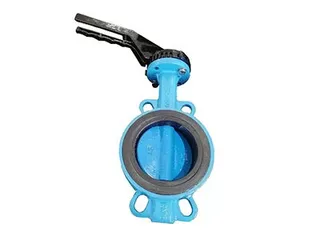
A Concise Guide to Soft-Seated Butterfly Valve
- Aug 27, 2024
Guide to Non-Ferrous Metal Forging Process
- Nov 06, 2025
Guide to Aluminum Alloy Forging Technology
- Nov 13, 2025

Guide to Liquid Die Forging Technology
- May 20, 2025
Related Products Mentioned in the Article
![A Guide to Computer User Support for Help Desk [Book]](https://img.jeawincdn.com/resource/upfiles/153/images/products/custom-full-color-printing/custom-catalogs/resize/3f25b1a83689330016a4063627d10c04/CC002-A-Guide-to-Computer-User-Support-for-Help-Desk-Book-320x320.webp)


Zhejiang Kosen Valve Co., Ltd.
- https://www.kosenvalve.com/
- Business Type: Industry & Trading, Manufacturer,
Supplier Website
Source: https://www.kosenvalve.com/media-hub/guide-to-soft-seal-butterfly-valves.html