
Stainless Steel Storage Tank Material Quality and Selection
In industrial production, the quality of storage equipment directly affects operational safety, production efficiency, and economic benefits. Stainless steel storage tanks, with their excellent durability, corrosion resistance, and hygienic properties, are widely used in industries such as food processing, pharmaceuticals, beverages, chemicals, energy, and other fields where strict storage conditions are required.
The quality of stainless steel materials directly determines the mechanical strength, corrosion resistance, hygiene performance, and service life of storage tanks. Due to their ability to withstand chemical corrosion and physical damage, stainless steel materials have become an ideal choice for many industrial storage applications.
However, during the manufacturing process of stainless steel storage tanks, what factors determine material quality? How can the right stainless steel grade be selected to ensure safe and reliable operation? This article analyzes stainless steel storage tank materials from the perspectives of material characteristics, manufacturing processes, application requirements, and selection recommendations.
What Is a Stainless Steel Storage Tank?
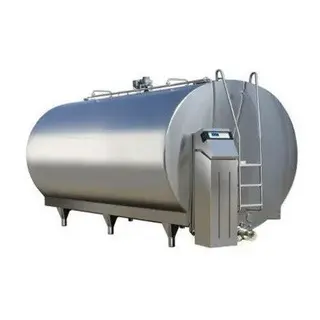
A stainless steel storage tank is a metal container manufactured from stainless steel plates through processes such as cutting, forming, welding, and surface treatment. It is mainly used for storing liquids, gases, and special industrial media safely.
Compared with traditional carbon steel tanks, stainless steel storage tanks provide better corrosion resistance and a smoother surface, which makes them easier to clean and less likely to accumulate contaminants and microorganisms. These characteristics make stainless steel tanks particularly suitable for industries with strict hygiene and safety requirements.
The manufacturing process of stainless steel storage tanks involves multiple stages, including raw material selection, forming, welding, surface finishing, and quality inspection. Since stored materials may be corrosive, flammable, or sensitive to contamination, the quality of stainless steel directly affects equipment reliability and service life.

Main Applications of Stainless Steel Storage Tanks
Stainless steel storage tanks are widely used in food, beverage, pharmaceutical, chemical, energy, marine, and other industries.
In the food and beverage industry, hygiene and cleanliness are critical. Stainless steel tanks feature smooth surfaces, easy cleaning characteristics, and resistance to contamination, helping ensure product safety.
In chemical applications, storage tanks must resist acids, alkalis, salts, and other corrosive substances. Therefore, materials with stronger corrosion resistance are usually required.
In pharmaceutical production, storage tanks must meet strict hygiene standards and ensure that the tank material does not react with stored products.
Main Characteristics of Stainless Steel Materials
Understanding the basic properties of stainless steel is essential for selecting suitable storage tank materials. The performance of stainless steel mainly depends on its alloy composition, especially chromium, nickel, and molybdenum.

1. Role of Key Alloying Elements
Chromium is the most important element responsible for stainless steel corrosion resistance. When chromium content reaches a certain level, it forms a dense chromium oxide protective film on the surface. This passive layer prevents oxygen and corrosive substances from penetrating the metal, significantly improving corrosion resistance.
Nickel improves toughness, ductility, and structural stability. Stainless steel containing nickel has better forming performance during manufacturing and maintains good mechanical properties under low-temperature conditions.
Molybdenum further enhances resistance to chloride ions, acidic substances, and marine environments. Therefore, stainless steel containing molybdenum is often selected for chemical processing, offshore applications, and other harsh operating conditions.
2. Comparison of Common Stainless Steel Grades
The most commonly used stainless steel materials for storage tanks include 304, 316, and 430 stainless steel.
304 Stainless Steel
304 stainless steel is one of the most widely used stainless steel grades in industrial applications. With good chromium and nickel content, it provides excellent corrosion resistance, weldability, and processing performance.
It is suitable for general storage applications, including food tanks, beverage tanks, pharmaceutical equipment, and common industrial storage systems.
316 Stainless Steel
316 stainless steel is a higher-performance material developed by adding molybdenum to 304 stainless steel. The addition of molybdenum significantly improves corrosion resistance, especially against chlorides, acids, and saltwater environments.
Therefore, 316 stainless steel is widely used in chemical plants, marine engineering, and highly corrosive industrial environments.
Although its cost is higher than 304 stainless steel, its superior corrosion resistance helps extend equipment life and reduce long-term maintenance expenses.
430 Stainless Steel
430 stainless steel is a more economical stainless steel option. It provides certain corrosion resistance but has lower overall performance compared with 304 and 316 stainless steel.
Due to its lower nickel content, 430 stainless steel is less suitable for harsh environments and is generally used where corrosion requirements are moderate and cost control is important.
For demanding industrial storage applications, 304 or 316 stainless steel is usually preferred.
Impact of Material Selection on Storage Tank Performance
Material selection directly influences corrosion resistance, hygiene performance, mechanical strength, and overall service life.

1. Corrosion Resistance
Corrosion resistance is one of the most important factors affecting stainless steel storage tank durability.
Chromium, nickel, and molybdenum improve the ability of stainless steel to resist chemical attack. Unlike carbon steel tanks, which easily corrode when exposed to moisture, oxygen, or chemicals, stainless steel forms a protective passive film that prevents further oxidation.
304 stainless steel provides reliable corrosion resistance for food, beverage, and general industrial storage. 316 stainless steel offers stronger chloride resistance and is more suitable for chemical, marine, and high-corrosion applications.
Good corrosion resistance not only protects stored materials but also reduces maintenance requirements and improves long-term economic performance.
2. Hygiene Performance
Hygiene performance is another major advantage of stainless steel storage tanks.
The dense and smooth surface of stainless steel prevents contamination buildup and makes cleaning easier. This allows stainless steel tanks to meet strict hygiene requirements in food, beverage, and pharmaceutical industries.
For these applications, welding areas must be smooth and free from defects. Mechanical polishing and electropolishing can further improve internal surface quality, reduce microorganism attachment, and enhance sanitary performance.
3. Mechanical Strength and Service Life
Stainless steel storage tanks provide excellent structural strength and resistance to deformation, cracking, and mechanical damage.
They can withstand pressure fluctuations, vibration, temperature changes, and long-term operating conditions without easily suffering fatigue failure.
Depending on material grade, storage medium, operating environment, and maintenance conditions, high-quality stainless steel tanks can typically provide reliable service for 30 to 50 years or even longer.
Manufacturing Processes and Quality Control
High-quality materials alone cannot guarantee excellent storage tank performance. Advanced manufacturing processes and strict quality control are equally important.
1. Surface Treatment
Surface treatment directly affects corrosion resistance, cleanliness, and service performance.
Mechanical polishing and electropolishing create smoother internal surfaces, reducing contamination accumulation and improving hygiene. For food-grade and pharmaceutical-grade tanks, surface finish requirements must meet specific industry standards.
2. Welding Quality
Welding is a critical manufacturing process because storage tanks are usually assembled from multiple stainless steel plates.
High-quality welding prevents defects such as cracks, pores, and incomplete fusion, ensuring proper sealing performance and structural strength.
The welding method, welding materials, and operator skills all influence final weld quality. Non-destructive testing is often performed after welding to confirm reliability.
3. Structural Design
Proper structural design allows stainless steel materials to achieve maximum performance.
Engineers must consider storage medium properties, operating pressure, temperature changes, tank dimensions, and support structures.
For extreme temperature applications, low-carbon stainless steels such as 304L and 316L provide excellent toughness and are widely used in energy storage and specialized industrial equipment.
Advantages and Limitations of Stainless Steel Storage Tanks
After gaining a comprehensive understanding of material properties and manufacturing processes, it is also necessary to objectively evaluate the advantages and limitations of stainless steel storage tanks. This helps users make more balanced and practical decisions during the equipment selection process.
1. Major Advantages of Stainless Steel Tank
Stainless steel storage tanks provide several important benefits.
- First, they offer excellent durability. Their high mechanical strength allows them to operate reliably in industrial and harsh environments.
- Second, they provide superior corrosion resistance. The chromium oxide protective layer prevents rust-related leakage and equipment failure.
- Third, stainless steel has excellent chemical compatibility and can safely store various media, including fuels, biodiesel, and chemical liquids.
- Fourth, stainless steel tanks require relatively low maintenance because they are resistant to corrosion and damage.
- Fifth, stainless steel maintains good mechanical properties under both high and low temperatures, improving safety and reducing leakage risks.
2. Comparison with Other Materials
- Compared with aluminum tanks, stainless steel tanks provide higher strength, better fatigue resistance, and longer service life. Aluminum tanks are lighter but may not provide the same long-term reliability in industrial applications.
- Compared with plastic tanks, stainless steel tanks have higher initial costs but offer better structural strength, temperature resistance, and durability.
- Compared with composite tanks, stainless steel benefits from mature manufacturing technology and decades of industrial application experience.
3. Limitations in Using Stainless Steel Storage Tank
The main disadvantage of stainless steel storage tanks is the higher initial cost. Stainless steel materials, processing, welding, and surface treatment require greater investment.
In addition, stainless steel tanks are heavier than plastic or aluminum alternatives, which may increase transportation and installation requirements.
However, for fixed industrial storage systems, the additional cost and weight are usually justified by improved safety, reliability, and service life.
How to Select a Reliable Stainless Steel Storage Tank?
After fully understanding the material characteristics, manufacturing processes, advantages, and limitations of stainless steel storage tanks, the next step is to apply this knowledge to practical equipment selection. The selection process should involve comprehensive consideration of three key aspects: operating environment, manufacturer qualifications and certifications, and maintenance requirements.
1. Select Materials According to Application Conditions
Different industries have different requirements for stainless steel storage tank materials.
Food and beverage applications focus on hygiene, cleanliness, and corrosion resistance, while chemical industries require stronger resistance against aggressive media.
Therefore, material selection should be based on actual operating conditions rather than simply choosing the lowest-cost option.
2. Evaluate Manufacturer Qualifications
A reliable manufacturer should provide high-quality raw materials, advanced equipment, mature production technology, and strict quality control systems.
Important factors include manufacturing experience, technical capability, certifications, and customization ability.
Industrial stainless steel storage tanks often need to comply with standards such as API 650 for welded steel tanks, API 653 for inspection and maintenance, NFPA 30 for flammable liquid storage safety, UL-142 for aboveground steel tanks, and EPA SPCC requirements.
Compliance with these standards helps reduce risks related to leakage, fire, and environmental pollution.
3. Maintenance Recommendations
Even high-quality stainless steel tanks require proper maintenance.
Regular inspection of tank surfaces, welds, sealing systems, and internal structures helps identify corrosion, wear, or damage at an early stage.
For tanks storing chemical substances, professional inspection and maintenance plans should be established to ensure safe long-term operation.
Conclusion
The material quality of stainless steel storage tanks is the key factor determining equipment performance, safety, and service life. Different stainless steel grades, such as 304, 316, and 430, provide different performance characteristics and should be selected according to storage media and operating environments. High-quality materials must be combined with advanced manufacturing processes, reliable welding technology, scientific structural design, and strict quality control to achieve the best performance. With excellent corrosion resistance, durability, hygiene performance, and long service life, stainless steel storage tanks remain one of the most reliable storage solutions for modern industrial applications.
Send your message to this supplier
Related Articles from the Supplier



Related Articles from China Manufacturers

Stainless steel storage tank classification
- Dec 29, 2017

Stainless steel storage tank features
- Apr 02, 2018


4 advantages of stainless steel storage tank
- Feb 28, 2017

Why is stainless steel storage tank eco-friendly?
- Mar 07, 2017


Why choose stainless steel storage tank?
- Feb 25, 2017
3 reasons why I choose stainless steel storage tank
- Jul 25, 2017
Related Products Mentioned in the Article

Supplier Website
Source: https://www.fabtank.com/news/stainless-steel-storage-tank-material-quality-and-selection.html