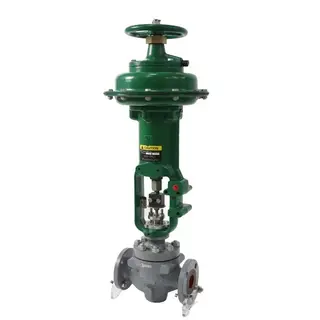
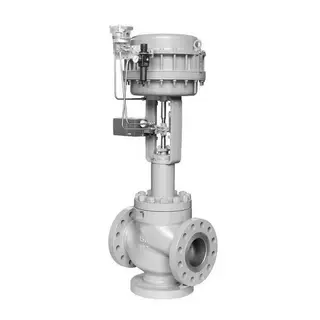
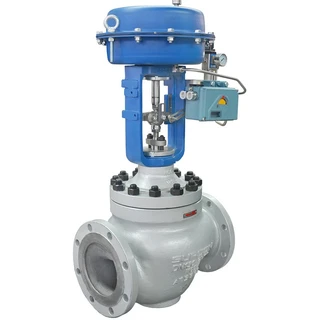
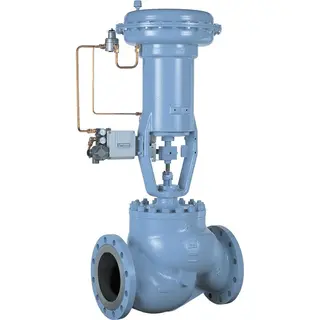
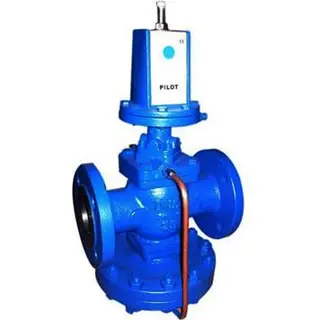
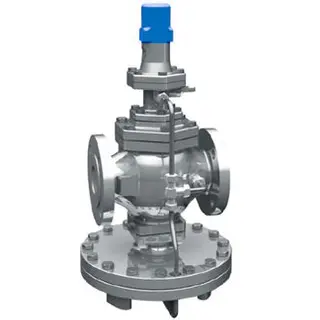
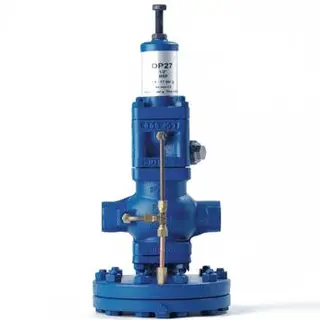
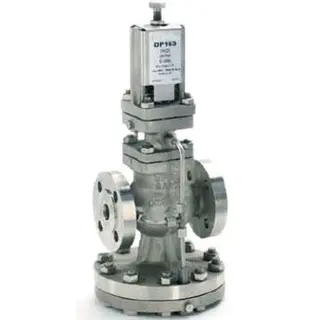
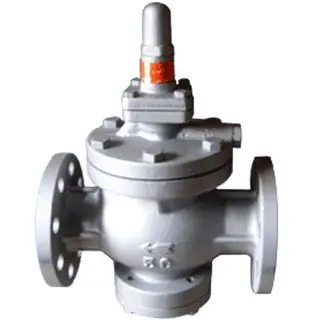
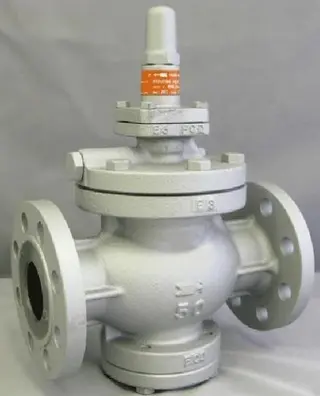
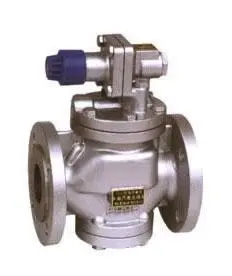
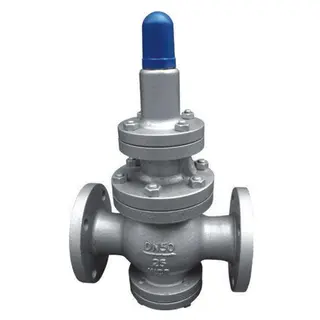
Steam Pressure Reducing Control Valve, 1/2-8 Inch, A352 LCB
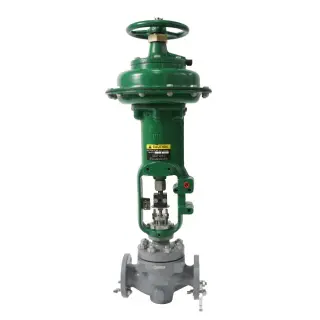
Key Specifications / Features
Detail Information
Pressure: Class 150 - 600 LB, PN20-PN100
Body Materials: ASTM A216 WCB, ASTM A217 WC6, ASTM A352 LCB, ASTM A351 CF8, ASTM A351 CF8M, ASTM A351 CF3M, ASTM A351 CF3
Temperature Range: -198 - +593℃
Connection: Flanged, butt-welded, socket-welded, and threaded
Leakage Standard: ANSI/FC, IEC 60534-4
Flow direction: flow to open, flow to close
Send your message to this supplier
FAQs
Valve stem packing is a critical sealing component installed around the valve stem inside the bonnet area. Its primary function is to prevent internal media (gas or liquid) from leaking to the external environment while still allowing smooth linear or rotary movement of the stem.
In industrial applications such as oil & gas, petrochemical, and power generation, packing acts as a dynamic seal that must withstand continuous friction, pressure fluctuations, and thermal cycling. Unlike static seals, packing is constantly in contact with a moving component, making material selection and compression design extremely important.
High-performance packing systems are often designed to meet low-emission requirements such as API 622 and ISO 15848-1, ensuring fugitive emissions remain within strict environmental limits.
What is a Non-Rising Stem Gate Valve?
A valve where the stem does not move vertically but rotates internally to raise or lower the gate. This design is ideal for installations with limited vertical space.
How Does a Non-Rising Stem Gate Valve Work?
The handwheel turns the stem, which in turn moves the gate up or down inside the valve body without changing the external height of the stem.
How Does a Rising Stem Gate Valve Work?
The handwheel lifts the stem and gate together, providing a visual indication of whether the valve is open or closed.
Which Valve Should I Choose?
Use a rising stem valve for above-ground applications where visibility and ease of maintenance are important.
Use a non-rising stem valve for underground or space-limited installations.
Conclusion
The choice between rising stem and non-rising stem gate valves depends on your specific application needs. For clear valve status indication and easy maintenance, go with a rising stem valve. For compact installations, a non-rising stem valve is the better option.