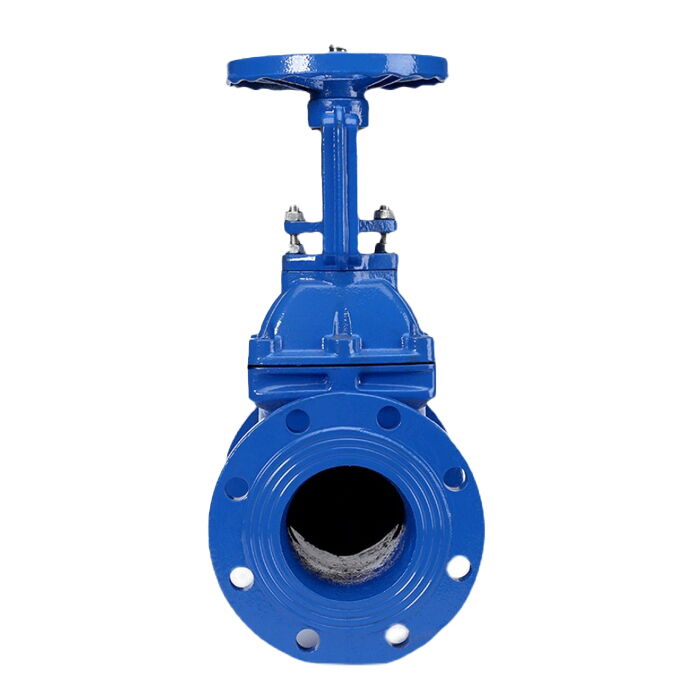
Rising Stem Gate Valves, DIN 3352, Ductile Iron, DN50-DN300
Key Specifications / Features
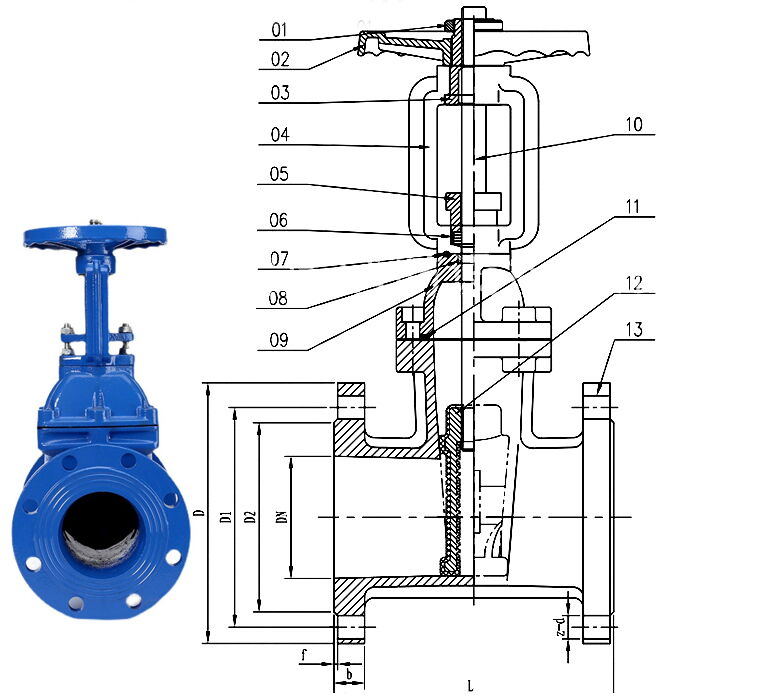
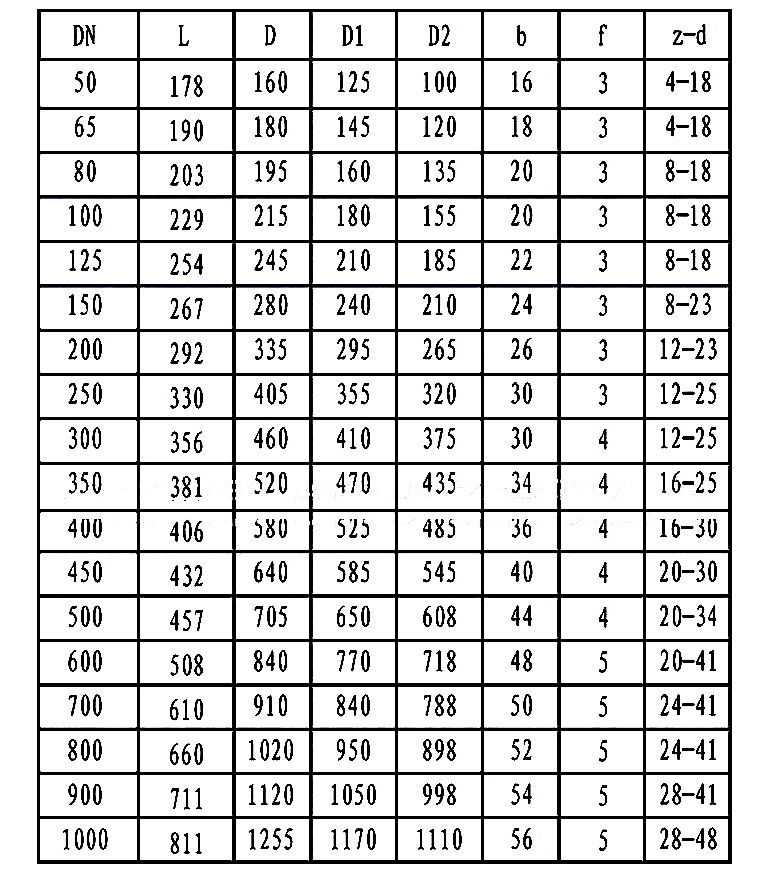
The Rising Stem Gate Valves Plant in China specializes in producing high-quality gate valves with DN50 to DN300 (2 to 12 inches) sizes, designed to meet DIN 3352 standards. These valves feature ductile iron bodies and rubber seals, ensuring durability and excellent sealing performance. They are available in PN10/PN16 pressure ratings and Class 150 LB, with flanged ends for easy installation and compatibility with various piping systems.
Detail Information
Product Name: Ductile Iron Rising Stem Gate Valve, Soft Sealed
Design Standard: DIN 3352
Model Number: Z41X
Body Material: Ductile Iron
Sealing Material: Rubber
Nominal Diameter: DN50-DN300, 2-12 Inch
Pressure Range: 1.0-1.6 MPa, PN10/PN16, Class 150 LB
Connection Type: Flange
Certificates: TA-Luft, ISO 15848-1, API 622, ect
Flange Standard: ASME B16.5
Face to Face Standard: ASME B16.10
Testing Standard: API 598
Operating Temperature: ≤ 80°C
Common Medium: Water, Oil, Gas, etc.
Supplier Information
Zhejiang Magpie Sealing Technology Co., Ltd.
Verified Supplier
Certifications:
