
in Stock 2022 New Car Mini Ve Used ID4 ID6 PRO EV Car High Speed Electric Vehicle
Model Number: EV-MINI
Key Specifications / Features
in Stock Mini Electric Vehicle,Mini Used ID4 ID6 PRO Mini Electric Vehicle, High Speed Mini Electric Vehicle
Detail Information
Product Description
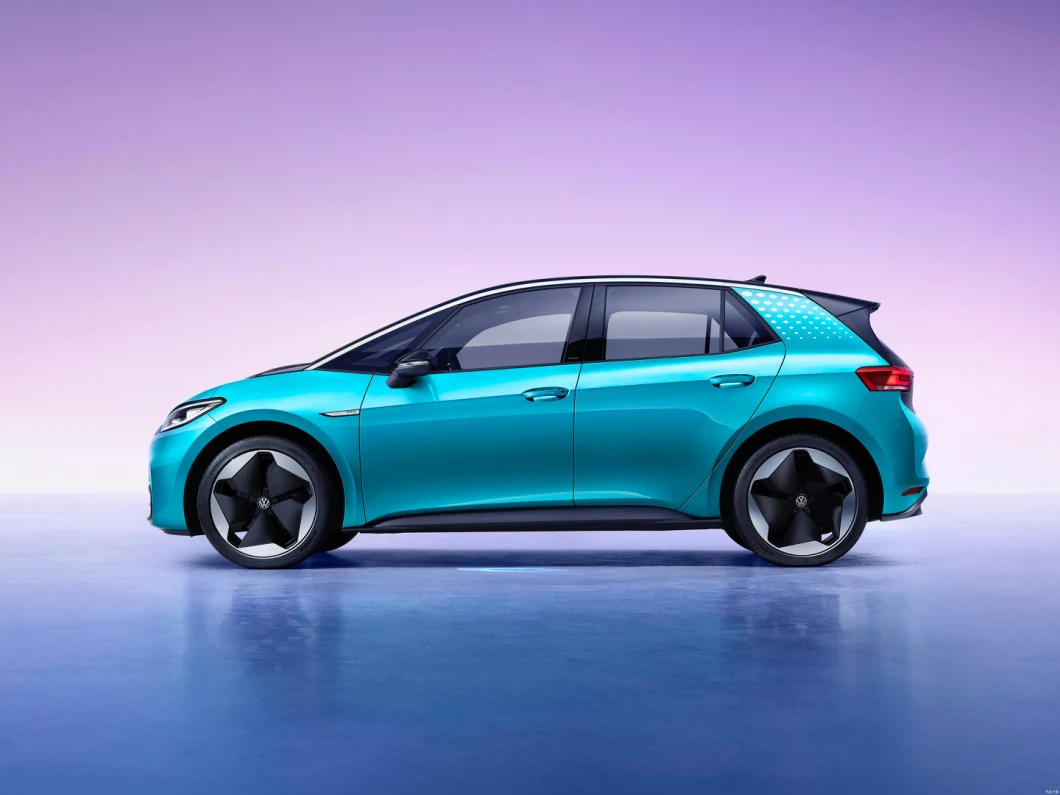
2022 Volkswagen ID 3 MINI EV
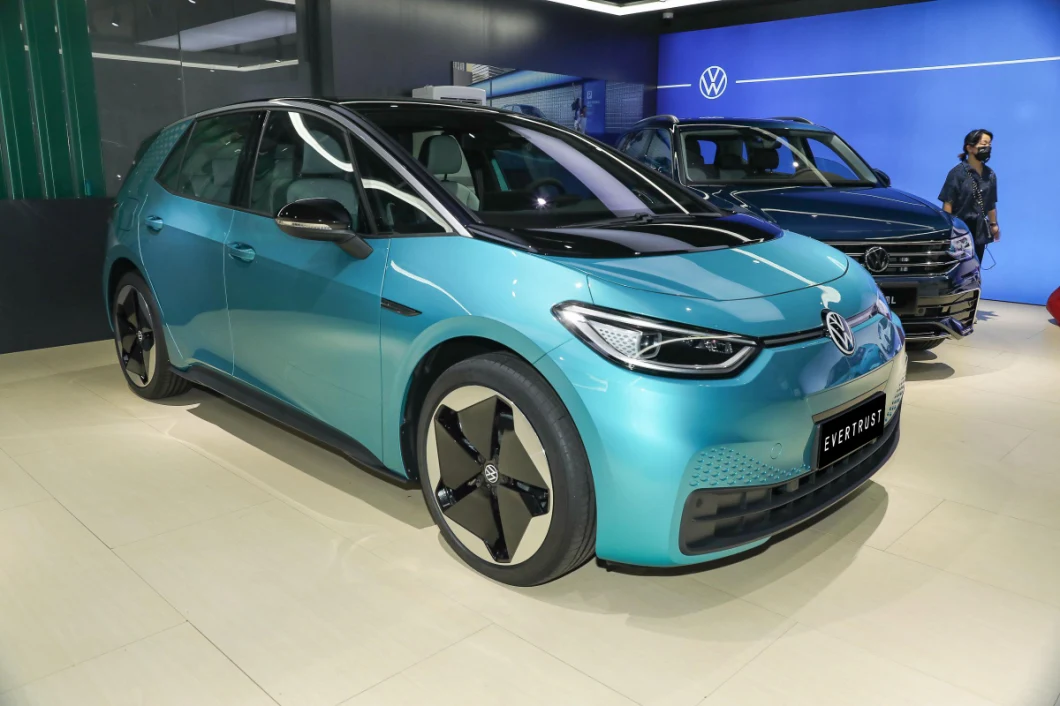
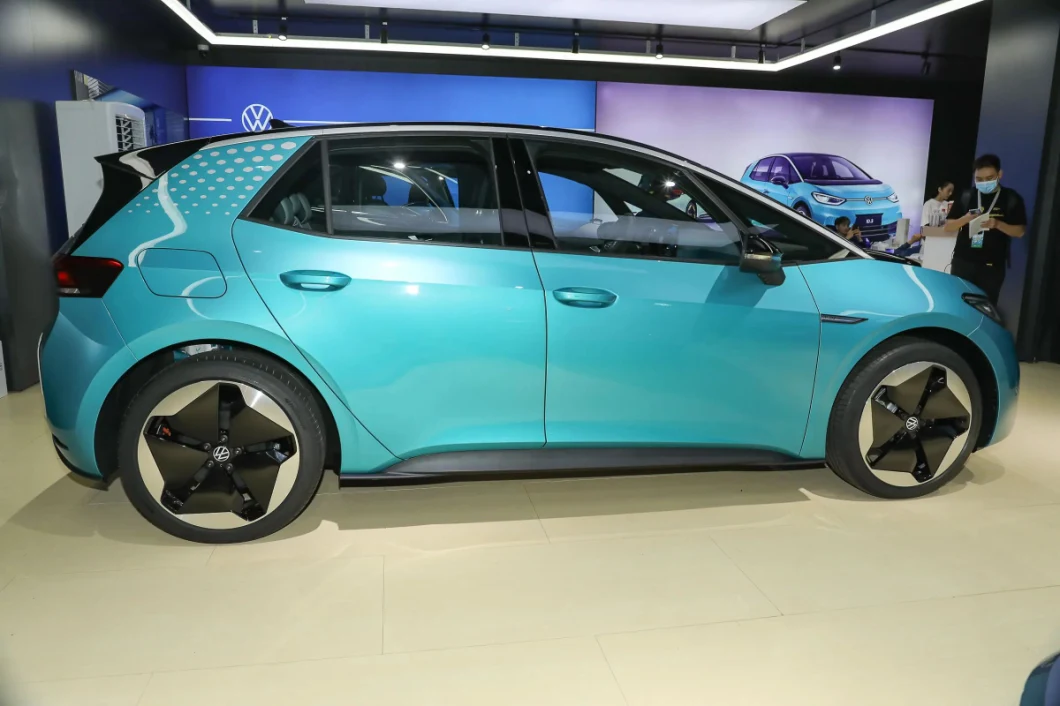
Basic Information
| Brand | ID 3 | Body Structure | Mini |
| Driving Energy | BEV | Vol of Motor | Single Motor |
| Motor Layout | Rear | Battery Type | Ternary lithium |
| Cell Brand | SAIC | NEDC maximum Range | 450 |
| Motor Type | Permanent magnet/synchronous | WLTC maximum Range | - |
| Doors | 5 | Seats | 5 |
| Fast Charge(h) | 0.67 | Slow Charge(h) | 8.5 |
| Fast Charge amount | 80 | Power(kw) | 125 |
| Torque(m) | - | Motor(ps) | - |
| Length*Wighth*Highth | 4261*1778*1568 | Max Speed(km/h) | 160 |
| 0-100km/h(s) | - | electric energy equivalent fuel consumption(L/100km) | 1.48 |
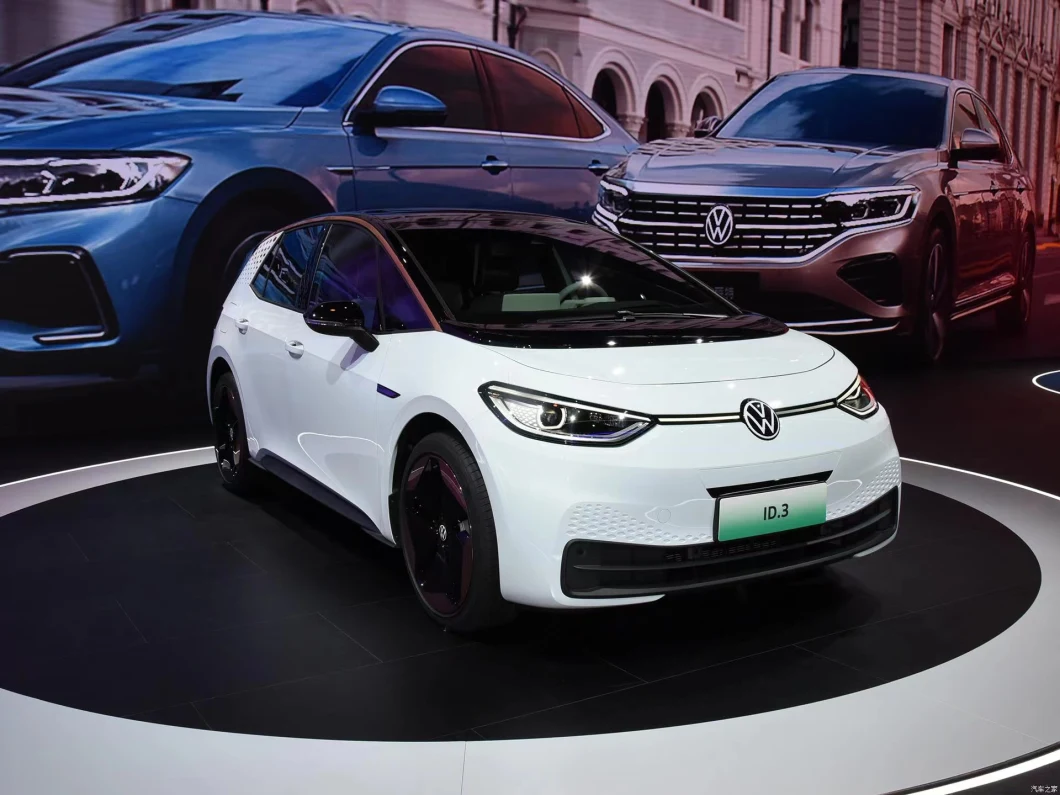
Car Show
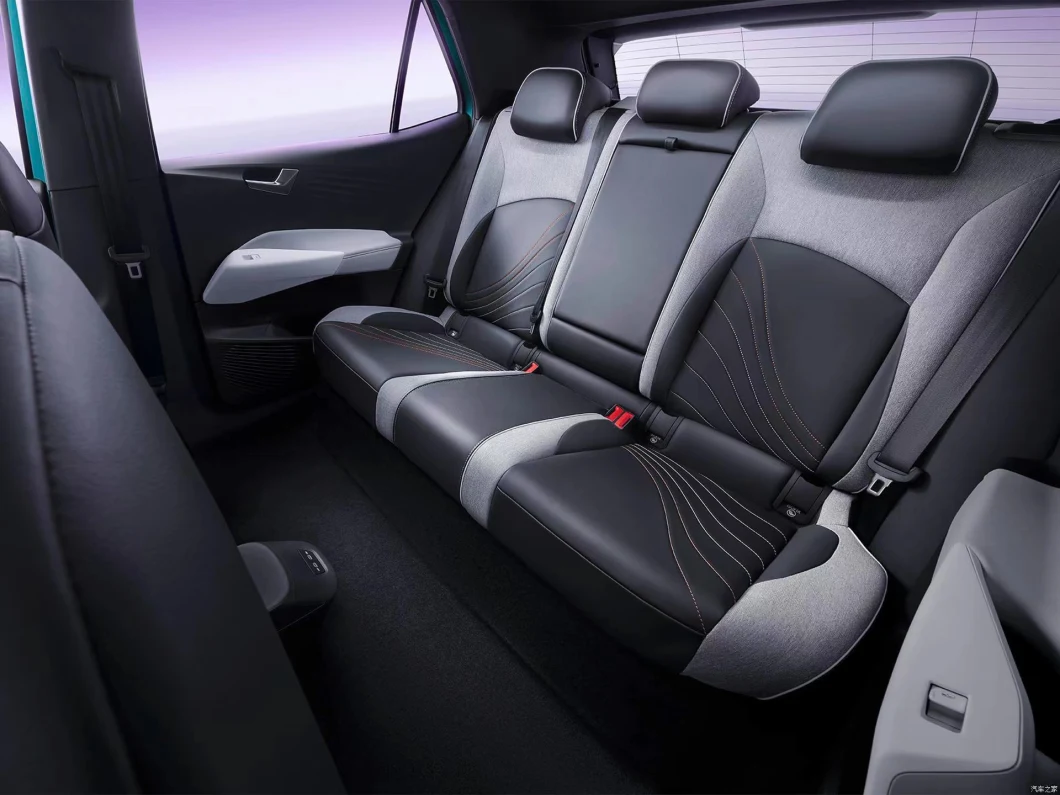
Seat
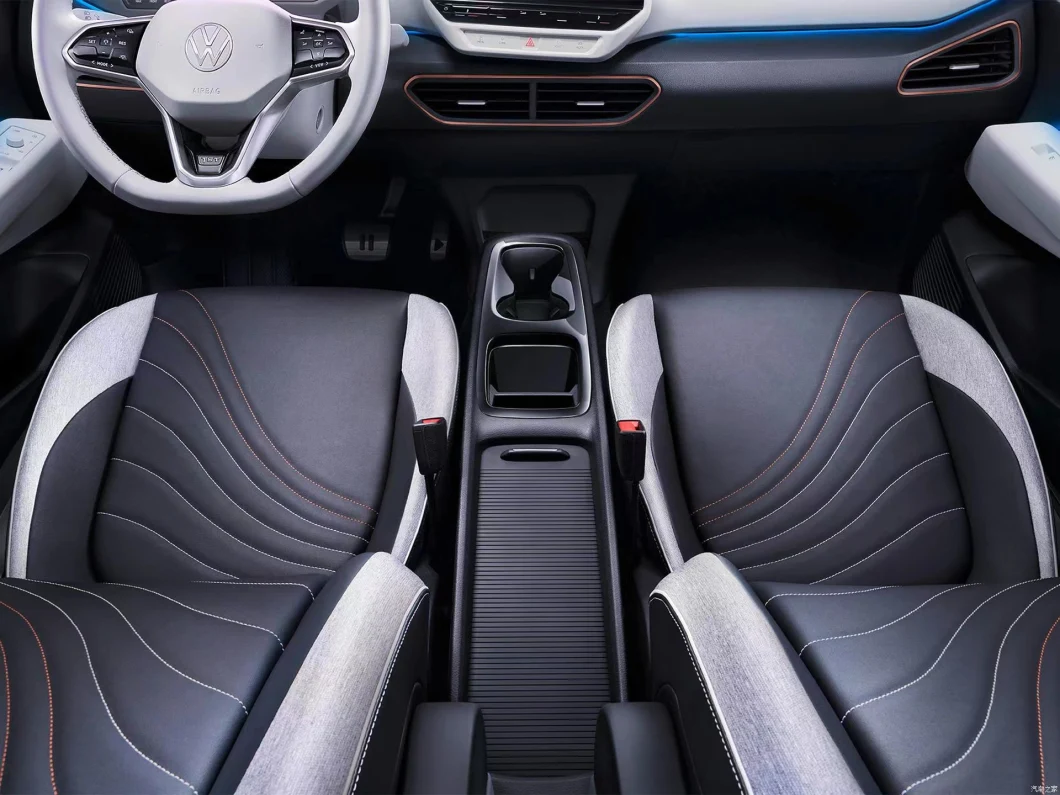
More Details
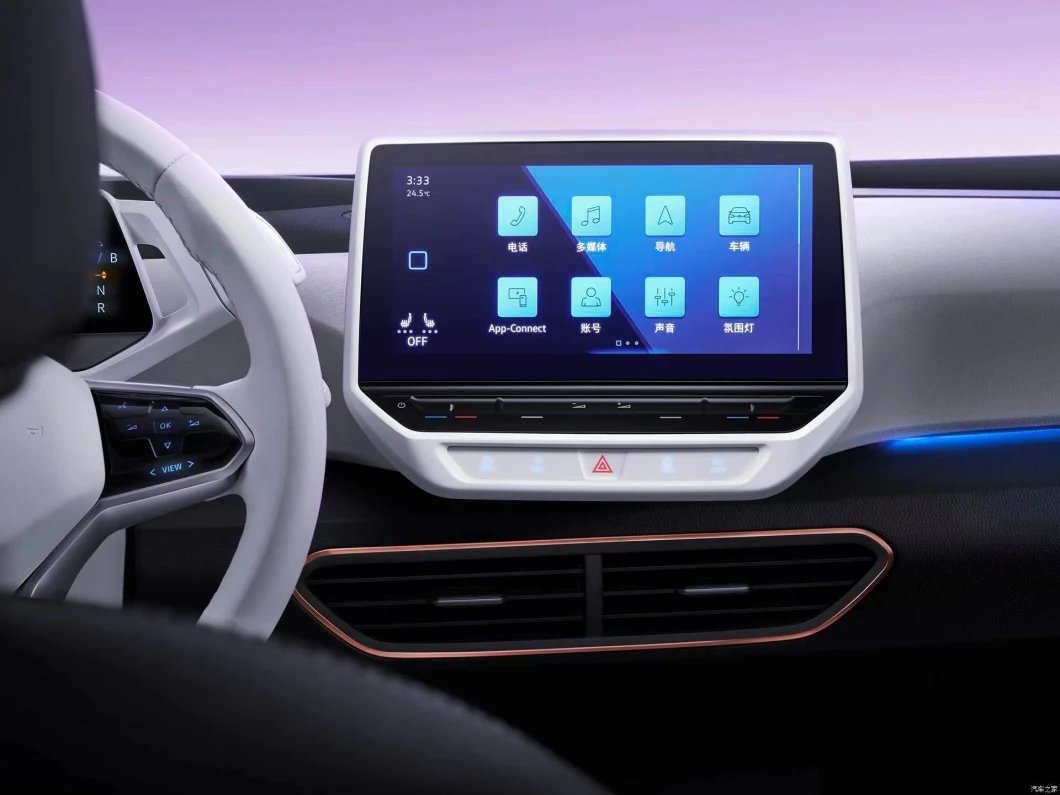
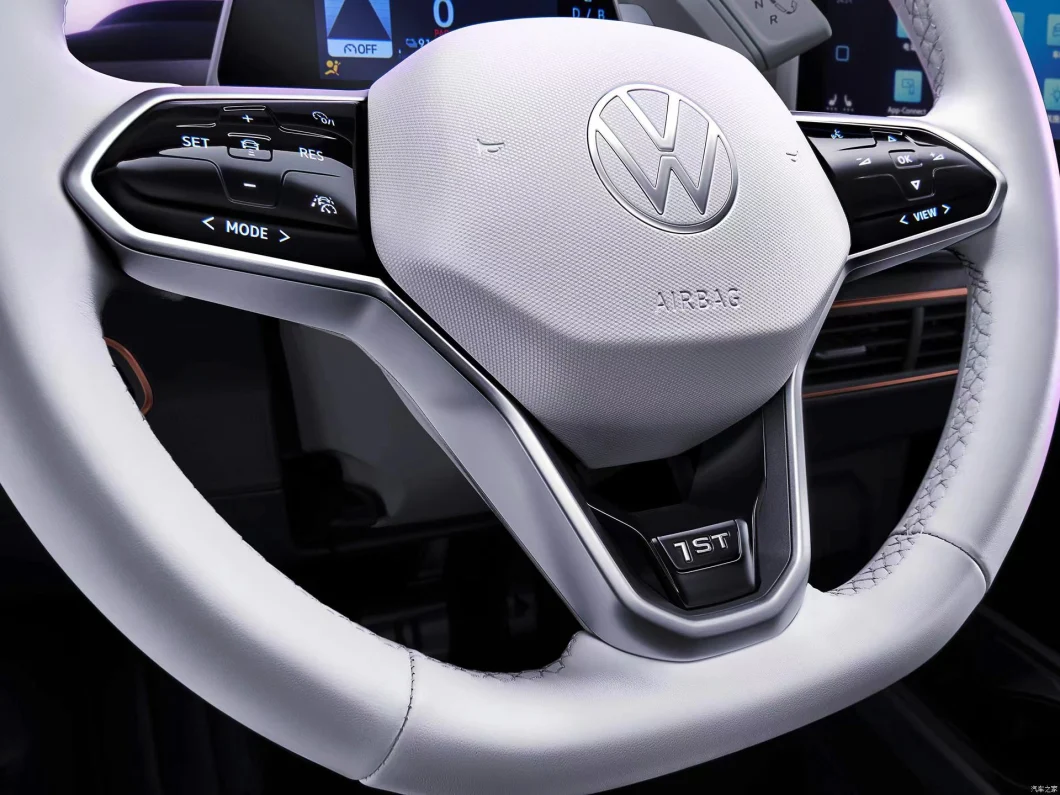
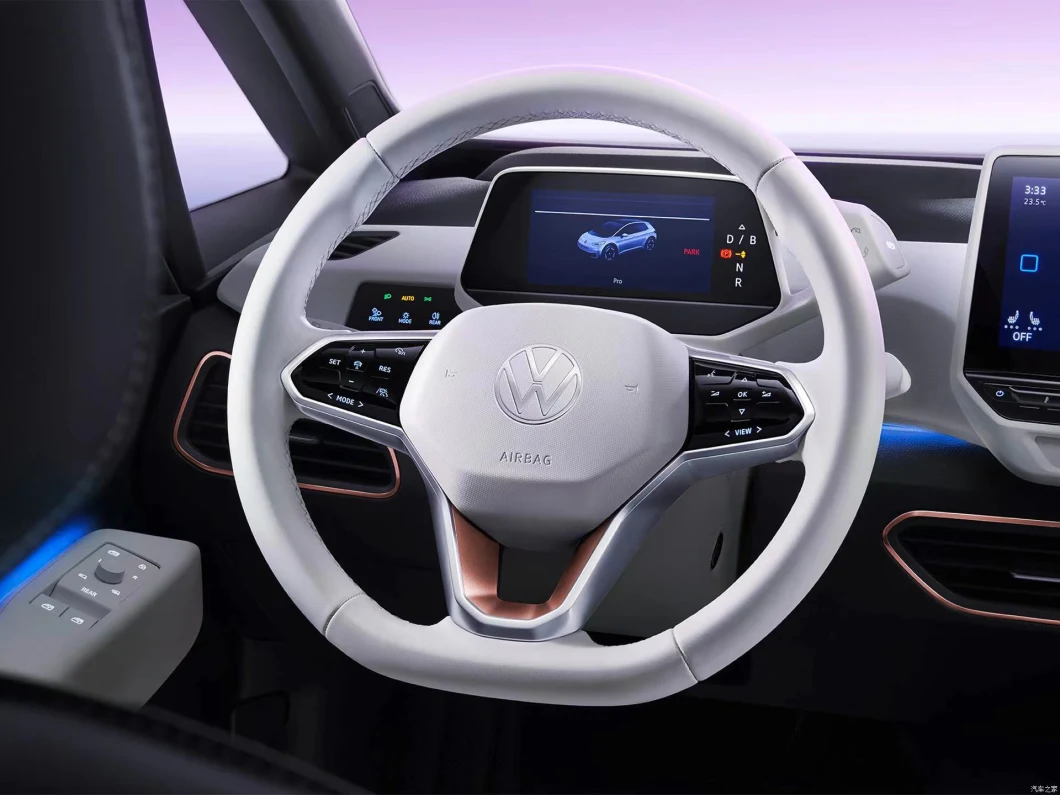
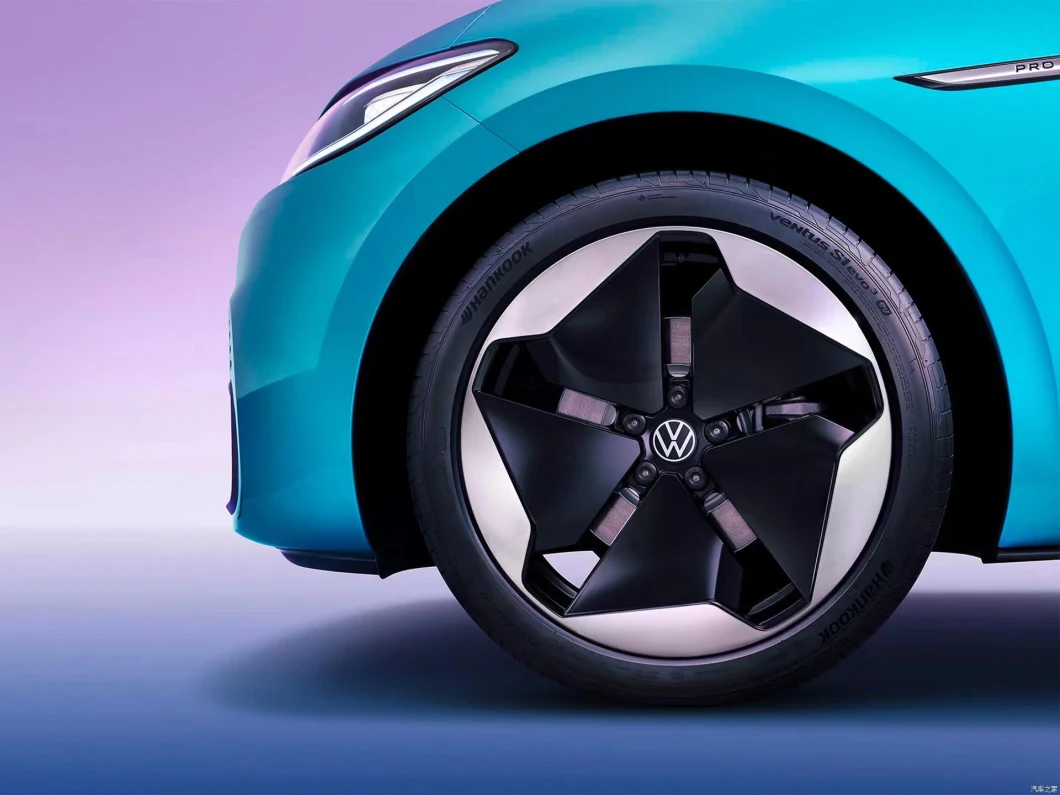
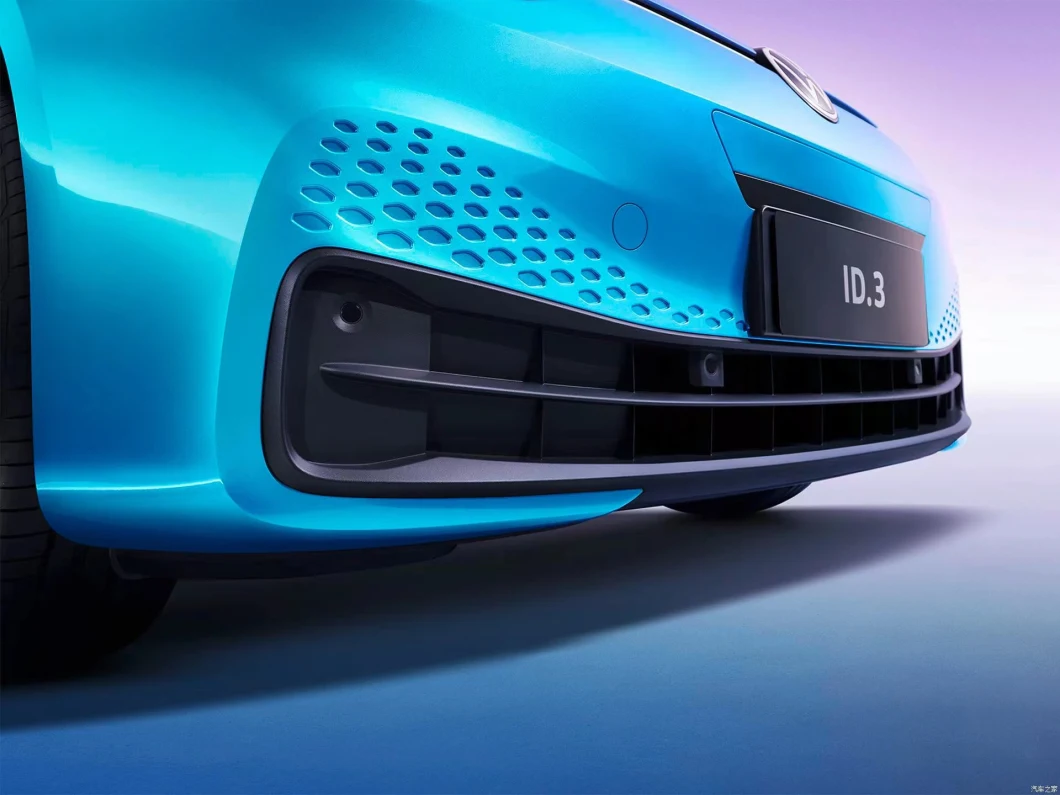
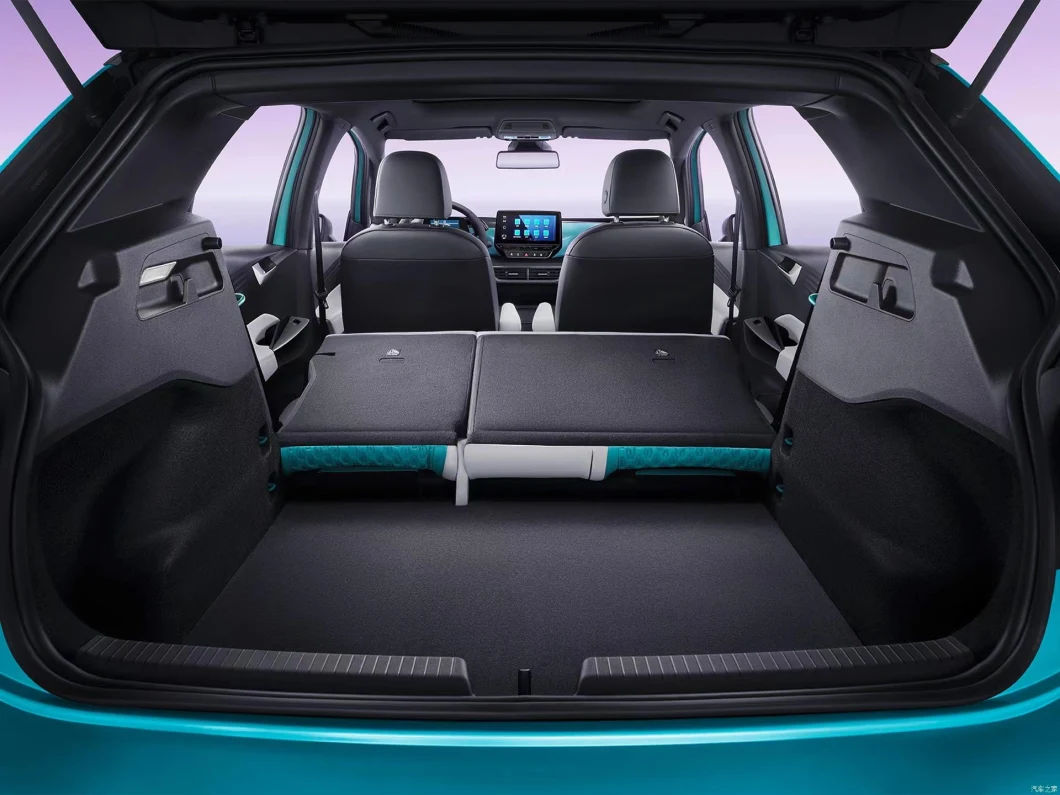
More Colors to Choose
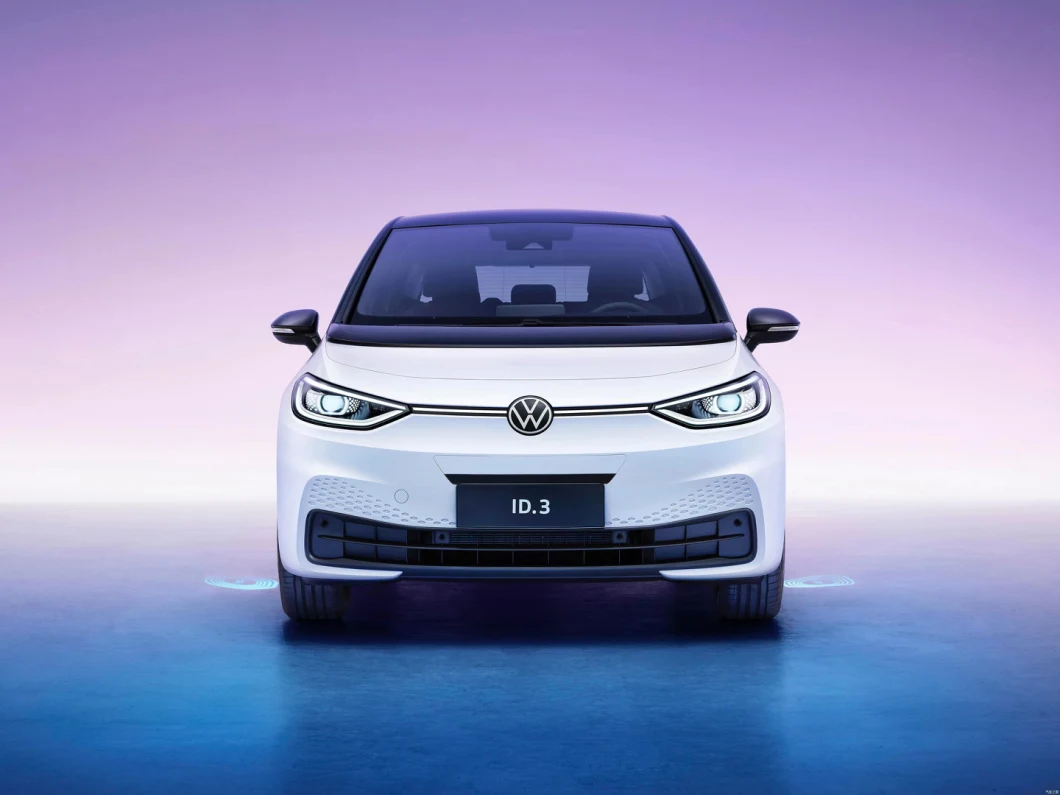
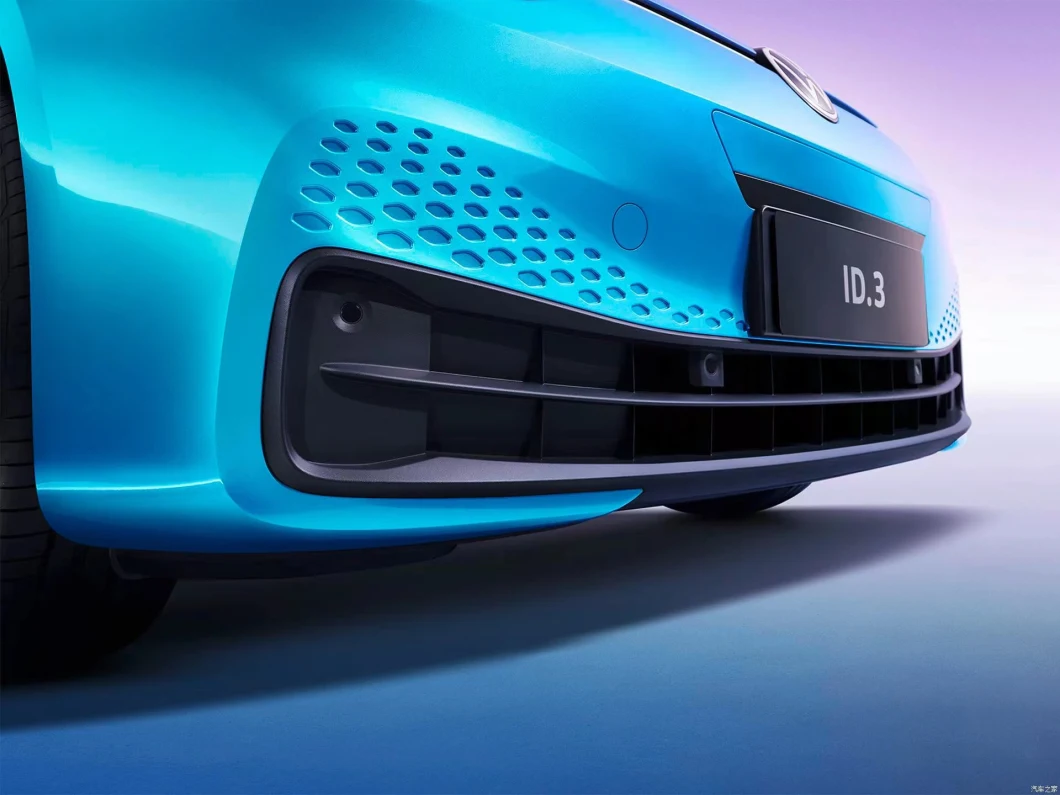
Why Choose ID 3 MINI EV
1. 450km mileage
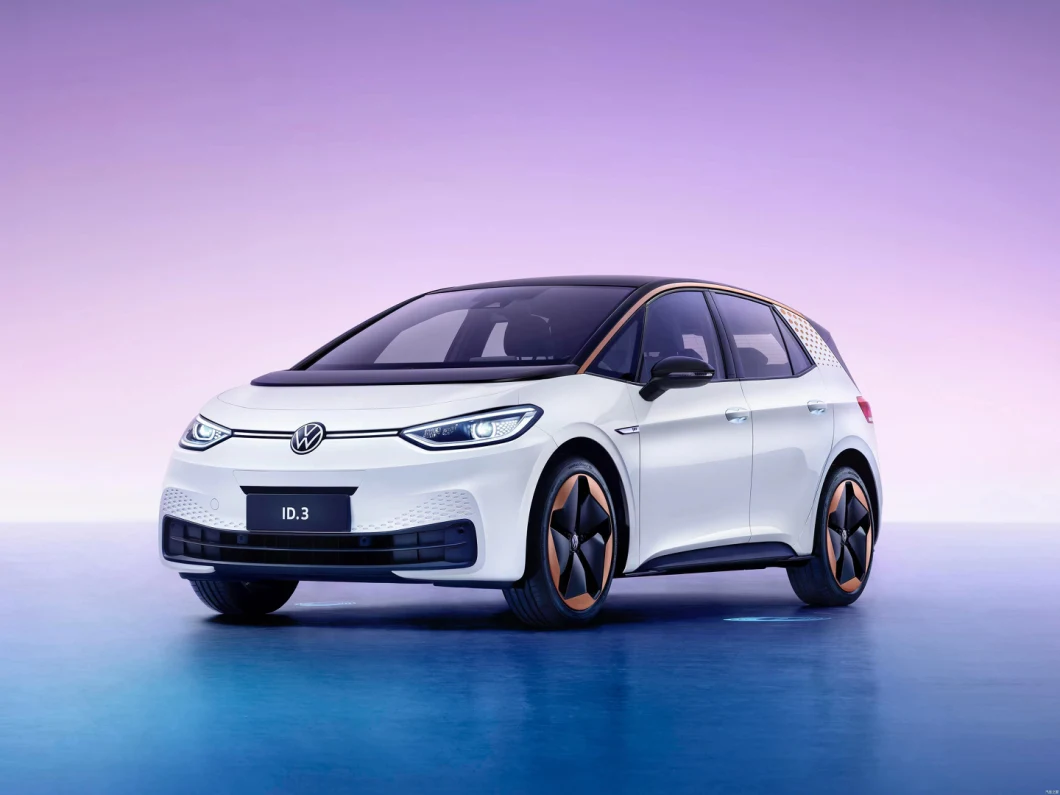
2.Unique appearance, large internal space
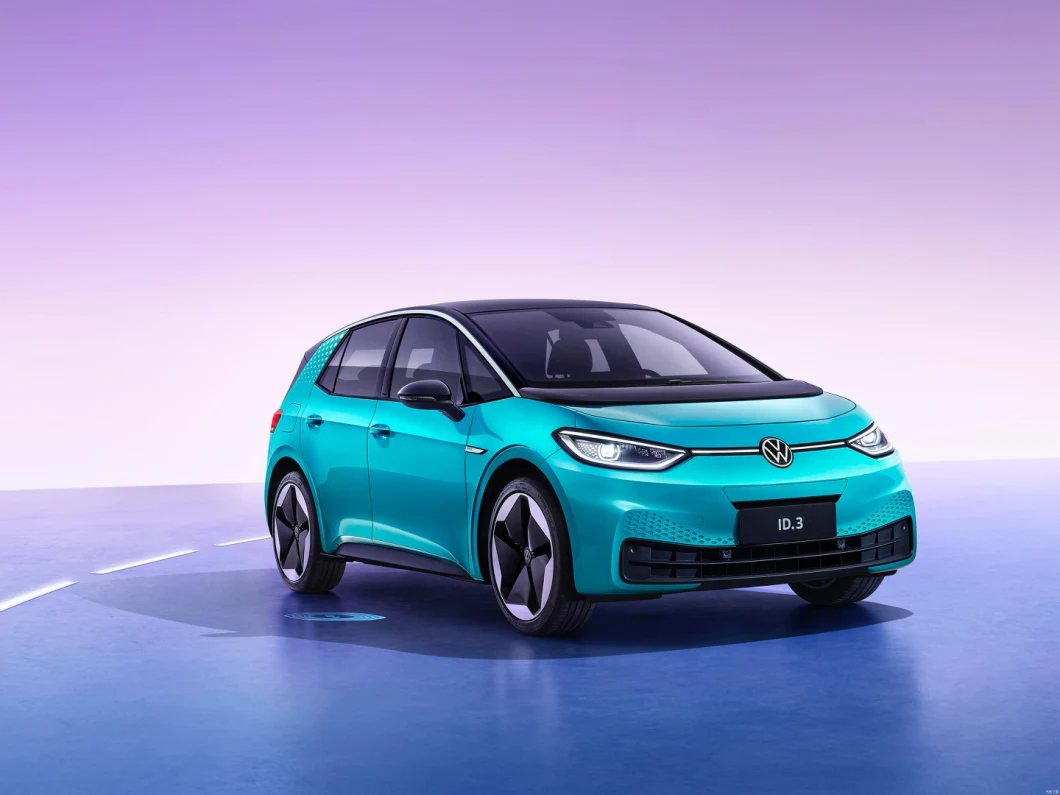
3. High automation
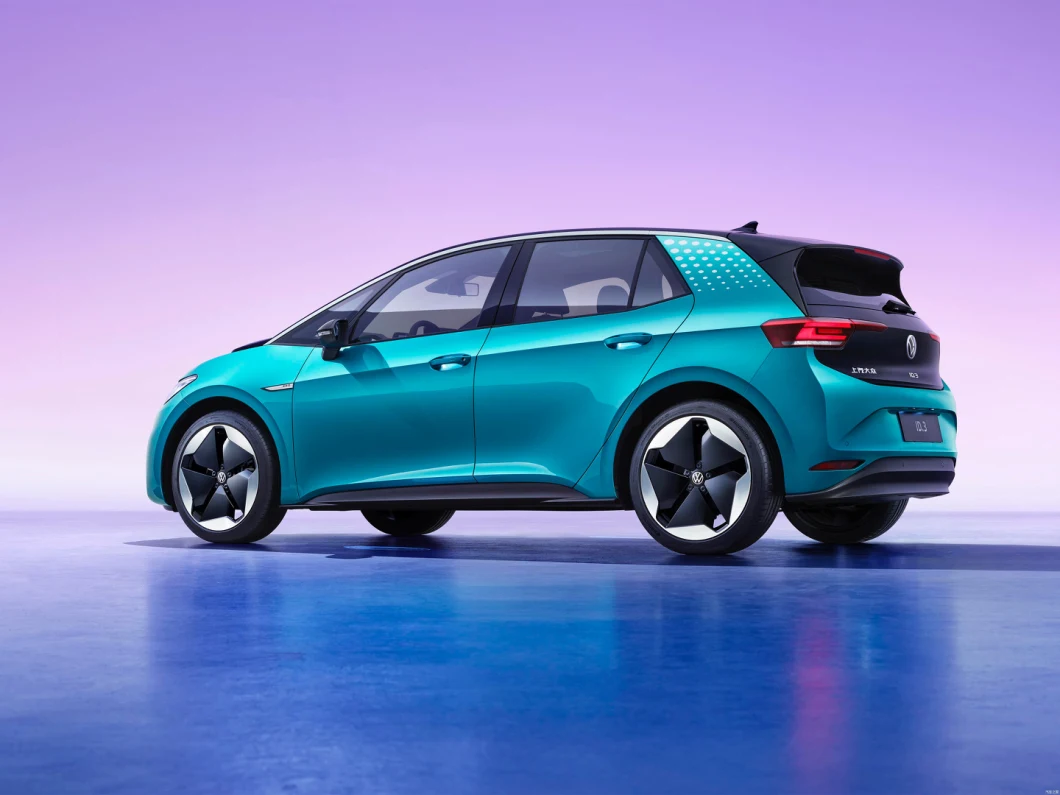
4. Easy to control
Supplier Information
Chengdu Evertrust Electric Vehicle Co., Ltd
Verified Supplier
Chengdu, Sichuan, China.
Est. 2000
Certifications:
ISO 9001

ev**********02
656 article(s)
Comments
Leave a Comment