Detail Information
| Category | Equipments Name |
| Dies/Tooling processing equipments | electrial impulse |
| flat grinder | |
| CNC | |
| universal radial milling machine | |
| planer | |
| wire cutting machine | |
| center lathe | |
| air pump | |
| Forging equipments | friction press |
| four-column hydraulic press | |
| open-back press with fixed bed | |
| open-type inclinable press | |
| medium frequency induction heating furnace | |
| high frequency induction heating furnace. | |
| round steel cutter | |
| automatic horizontal band saw machine | |
| apron type airless shot blasting machine | |
| Machining equipments | digital controlled lathe |
| meter lathe | |
| broacher | |
| four-column hydraulic press | |
| laser marking machine | |
| simple meter bench horizontal milling | |
| bench drilling and tapping machine | |
| bench drilling machine | |
| vertical driller | |
| center lathe | |
| CNC | |
| Quality testing equipments | magnetic particle flaw detector |
| brinell hardness tester | |
| rockwell hardness meter | |
| vickers hardness machine | |
| index head | |
| streak plate | |
| scribing hander | |
| V block | |
| comprehensive test instrument | |
| metallographic testing machine | |
| digital display hydraulic universal testing machine | |
| CMM (three coordinate detector) |
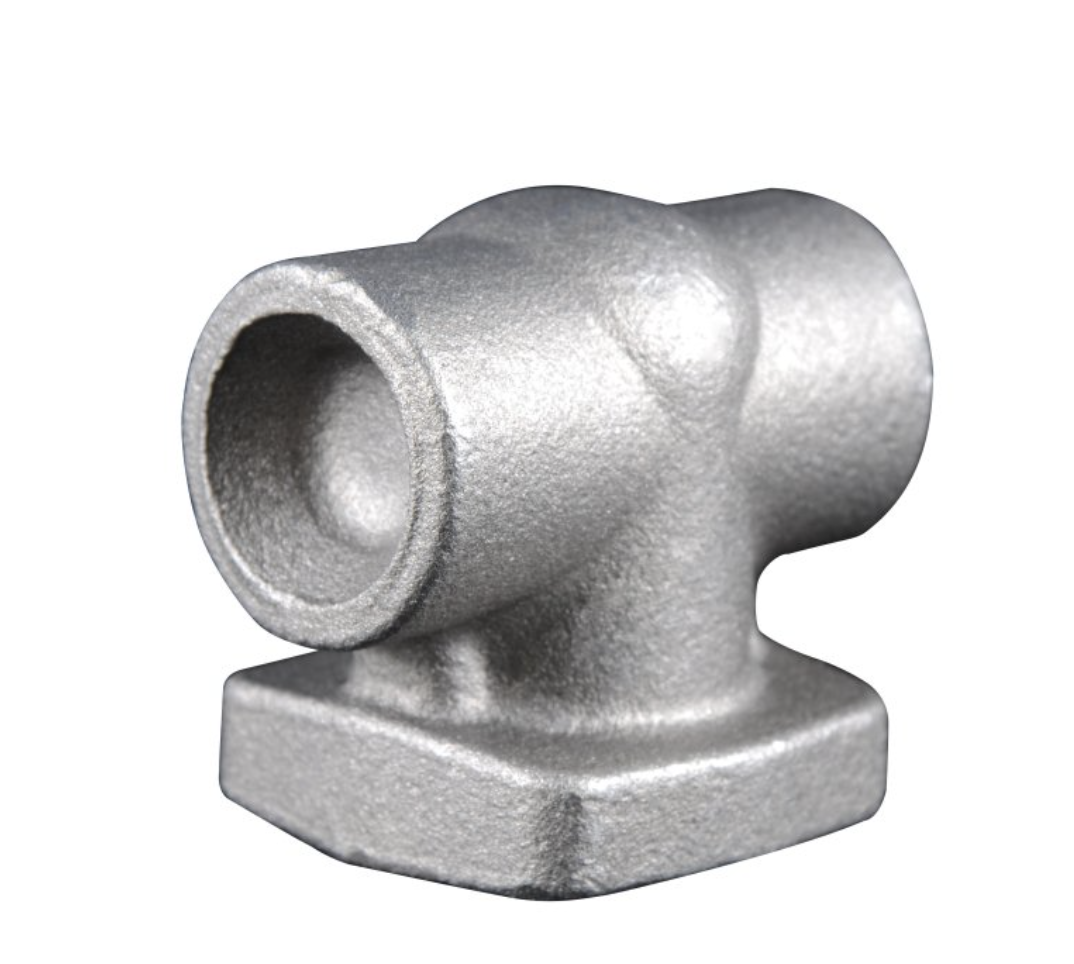
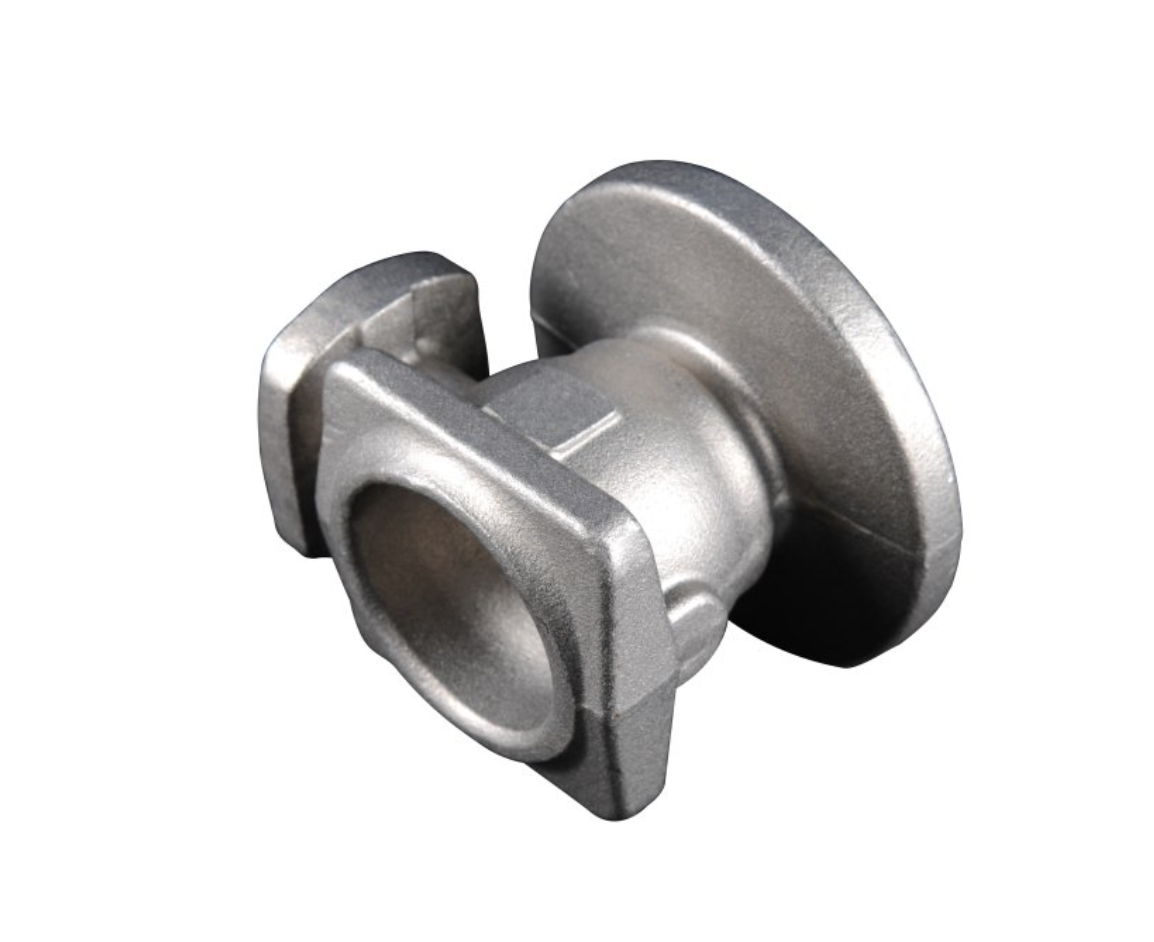
Valves Forging
Alloy steel is also one of the most commonly used metals for drop forging. This is because drop forged alloy steel is known for being stronger, more wear resistant and tougher compared to carbon steel drop forgings. Alloy steel is considered to be iron-based alloys that has been alloyed or mixed with a variety of elements in the range of 1.00 – up to 50.0% to enhance the physical properties. The combination of alloys and elements forged together is what determines the phyical strengths and properties of the metal. Common alloys added are chromium, molybdenum, manganese, nickel, vanadium boron and silicon.
To achieve these properties of increased stregnth, resistance and toughness, alloy steel drop forging is typically done by heat treatment,also known as hot steel forging. Our company maintains an extensive inventory of alloy steel. Our most popular closed die alloy steels to forge include 20Cr, 20CrMo, 30CrMo, 35CrMo, 42CrMo, ect.
These are some basic alloying descriptions:
Adding manganese, silicon, nickel and copper to the alloys results in an increase in strength by forming solid solutions in ferrite which is ideal for extreme heat exposure.
Chromium, vanadium, molybdenum and tungsten increase strength by forming second phase carbides.
Nickel and copper improve corrosion resistance.
Molybdenum helps to resist embrittlement.
There are many alloy steels and elements to choose to forge at our company. Drop forged alloy steel is used in many applications such as agricultural, aerospace and special machinery. A good rule of thumb is to keep in mind that the industry dictates what alloying may be necessary to achieve desired properties, along with proper heat treatment of parts.
Supplier Information
Creator Components
Verified Supplier
Certifications: