
Interlock Open Width Circular Knitting Machines Drive Efficiency and Fabric Quality
Introduction
In an era where efficiency, quality, and sustainability define success in the textile industry, the Interlock Open Width Circular Knitting Machine has emerged as a transformative force. This advanced knitting system — blending the precision of interlock stitching with the efficiency of open-width production — is reshaping how fabrics are produced across markets ranging from fashion and sportswear to technical textiles and industrial applications.
With global demand for high-quality knitted fabrics on the rise, manufacturers are increasingly investing in this technology to drive productivity, reduce waste, and expand product versatility. By combining speed, fabric quality, and automation, the interlock open width circular knitting machine represents a significant leap forward in textile manufacturing capability.
What Is an Interlock Open Width Circular Knitting Machine?
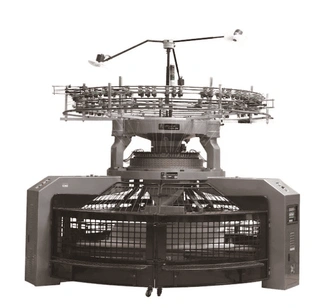
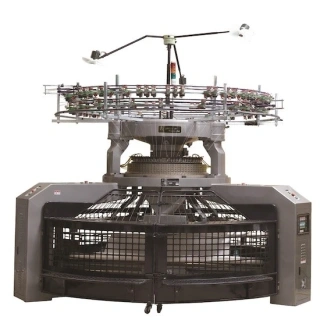
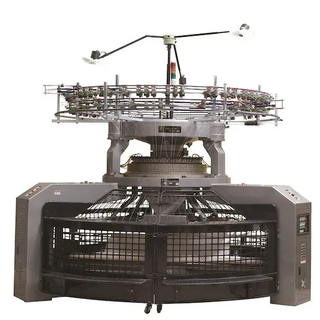
At its core, an interlock open width circular knitting machine is a type of circular knitting system that produces flat fabric directly in open width form, eliminating the need for unfolding and flattening processes typical of tubular knitting machines.
Unlike traditional circular machines that produce tubular fabric which must be cut and processed further, open width machines automatically produce flat, crease-free fabric rolls ready for finishing and subsequent garment production. This capability not only saves time and labor but also reduces material waste.
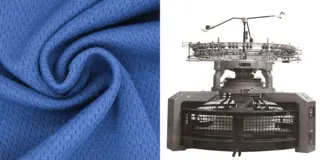
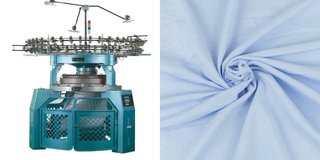
The interlock structure — created using two sets of needles in alternating sequence — yields a double-faced knit fabric with enhanced stability, thickness, and uniformity compared to single jersey knits. This structure also provides balanced elasticity and excellent surface smoothness.
Across different models, typical machine specifications range from 26- to 44-inch diameters, gauges between 16 and 32, and feeder counts up to 83F per inch, allowing flexibility in fabric widths and production rates.

The Technology Behind Interlock Open Width Knitting
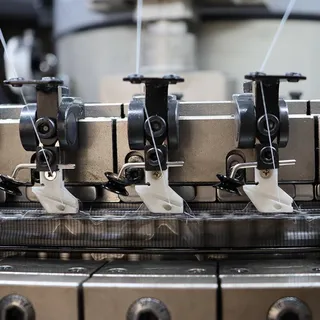
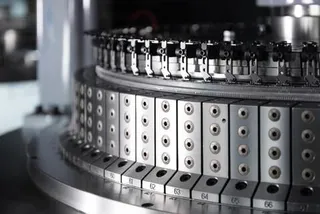
The integration of interlock knitting with open width technology represents a synthesis of innovation and practicality. In interlock knitting, two cam systems control needles in a staggered arrangement, producing tightly intermeshed loops that create high-quality, stable fabrics.
Open width capability builds upon this by including an automatic slitting and take-down system that opens the knitted tube into a flat fabric continuously as it is produced. This avoids the central crease typical of tubular knitting and results in fabric that is ready for finishing processes without additional manipulation.
Modern interlock open width machines feature intelligent controls — including roller speed adjustment devices, safe shutdown systems, and automated cloth-collecting sticks — that promote uniform knitting tension, operational safety, and efficient fabric handling.
Increasingly, computerized control panels allow operators to quickly set and change knitting parameters, store production presets, and monitor machine performance in real time. These features support consistency across batches and reduce dependency on highly skilled operators.
Advantages Driving Adoption in Global Textile Markets
1. Superior Fabric Quality
One of the most significant benefits of interlock open width knitting is the quality of fabric produced. Interlock knit fabrics are smooth, dense, and stable, with identical surface properties on both sides — features highly valued in the fashion, sportswear, and premium garment sectors.
The open width process ensures that the entire fabric surface is free from creases or fold marks, which can compromise aesthetics and performance. This advantage is particularly important for high-end apparel, activewear, and technical textiles that demand uniform appearance and performance characteristics.
2. Production Efficiency and Speed
Interlock open width circular knitting machines are engineered for high-speed, high-volume production. The continuous open width fabric feed and automated handling reduce cycle times and minimize labor involvement, enabling manufacturers to fulfill large orders with consistent quality.
Automated yarn feeding systems and electronic controls also minimize waste by optimizing yarn tension and delivery. This not only enhances yield but also aligns with sustainability goals by lowering material consumption.
3. Reduced Waste and Cost Savings
By eliminating the need to cut and flatten tubular fabric, open width machines substantially reduce fabric waste — one of the most persistent cost drivers in textile production. Without central creases or unnecessary trimming, manufacturers can achieve higher fabric utilization rates and lower per-unit costs.
Moreover, integrated cutting and wind-up systems help minimize labor overhead, reducing operational costs while improving throughput. Automated safety shutdown features also prevent machine damage or fabric loss when issues — such as incomplete cuts — arise.
4. Versatility Across Fabric Types
Interlock open width machines are compatible with a diverse range of yarns — including natural fibers like cotton and wool, synthetics such as polyester, and blended materials — enabling manufacturers to produce fabrics tailored to specific performance requirements.
This versatility allows the production of a wide spectrum of products, including:
- Apparel fabrics (e.g., T-shirts, polo shirts, fashion garments)
- Sportswear and activewear textiles with enhanced elasticity and comfort
- Underwear and lingerie fabrics that require softness and dimensional stability
- Technical and industrial textiles for specialized applications
5. Sustainability and Environmental Impact
While sustainability is increasingly a strategic imperative for textile manufacturers, open width knitting contributes directly by reducing energy use, material waste, and overall production footprint.
Energy-efficient designs — combined with digital control systems — reduce idle power consumption and optimize machine performance. Reduced fabric waste also means fewer raw materials are consumed per finished product, supporting brands' environmental commitments.
Industry Impact: Case Examples and Market Trends
Textile Innovation in Colombia and Beyond
In markets such as Colombia — where textile quality and diversity are central to industry growth — interlock open width circular knitting machines have become strategic assets for manufacturers. The ability to produce smooth, crease-free fabric that meets international quality standards has supported growth in sportswear, swimwear, underwear, and technical textile segments.
For example, Colombia's vibrant swimwear sector — where fabrics must balance stretch, durability, and comfort — benefits from the versatility and precision of open width machines. Similarly, the expanding activewear segment demands knit fabrics that offer performance and aesthetics in equal measure, a challenge that interlock machines are well-positioned to meet.
Adoption in High-Volume Manufacturing Hubs
Across Asia and Europe, textile manufacturers are investing in open width knitting technology to tackle competitive pressures and market volatility. High operational efficiency and flexibility allow textile producers to respond quickly to shifting demands — whether in fashion, home textiles, or industrial applications — without extensive retooling.
Automated controls and smart factory integration also support Industry 4.0 strategies, enabling real-time machine monitoring, predictive maintenance, and reduced downtime. As a result, interlock open width machines are becoming central to digital manufacturing roadmaps that prioritize agility and data-driven decision-making.
Applications Across Textile Segments
1. Fashion and Casual Wear
Interlock fabrics — particularly when produced in open width form — are ideal for fashion applications where smooth surface finish, aesthetic appeal, and comfort are essential. Flat fabrics without a central crease save time in garment cutting and help deliver high-end apparel with minimal post-processing.
Manufacturers producing T-shirts, dresses, polo shirts, and casual wear appreciate the open width output, which simplifies material handling and reduces waste. The wide range of yarn compatibility — from cotton blends to performance synthetics — further boosts creative flexibility.
2. Sportswear and Activewear
As active lifestyles become more popular globally, fabrics with stretch, breathability, and durability are in high demand. Interlock open width machines can produce textiles with consistent elasticity and structural stability that align with performance needs.
In sports and activewear manufacturing, the balanced knit of interlock fabrics offers better shape retention and enhanced comfort during dynamic movement — qualities especially prized in leggings, workout tops, and technical gear.
3. Underwear and Intimate Apparel
Softness, smooth touch, and minimal seams are crucial for underwear and intimate wear textiles. Open width interlock production provides these qualities by knitting balanced fabrics with minimal curling, ensuring comfort and fit.
The machine's ability to handle fine gauges and delicate yarns allows manufacturers to produce premium fabrics that meet high consumer expectations in comfort and performance.
4. Technical Textiles and Industrial Applications
Beyond fashion, interlock open width machines have found applications in technical textiles — including automotive fabrics, protective textiles, medical apparel, and industrial filter materials.
The combination of durability, dimensional stability, and customization allows textile producers to meet specific performance criteria in industrial markets where fabric performance can directly impact safety and functionality.
Challenges and Considerations for Adoption
1. Capital Investment and Expertise
While the advantages of interlock open width machines are clear, the initial capital cost and technical expertise required for operation can be significant. High-precision components and advanced electronic control systems demand skilled personnel for setup, programming, and maintenance.
Manufacturers must invest in training or partner with experienced service providers to ensure optimal machine utilization and longevity. Despite this, many industry leaders view the upfront investment as justified by long-term gains in productivity and product quality.
2. Integration With Existing Processes
Integrating open width knitting technology into existing production lines — particularly in factories that historically relied on tubular circular machines — may require workflow adjustments. For example, changes in cutting and finishing processes may be needed to fully leverage the benefits of flat fabric output.
However, forward-looking manufacturers are redesigning their lines to maximize automation and digital integration, enabling smoother transitions and reducing bottlenecks.
Future Outlook: Innovation and Industry Impact
Digitalization and Smart Manufacturing
The next frontier for interlock open width knitting machines lies in deeper integration with Industry 4.0 technologies. Real-time monitoring, pattern programming via CAD systems, and predictive maintenance solutions are already emerging as differentiators among advanced textile producers.
By enabling remote diagnostics and automated fault detection, smart systems can reduce unplanned downtime and optimize production schedules — a compelling advantage in high-volume manufacturing environments.
Sustainability and Circular Economy Initiatives
Sustainability remains a central theme in textile industry transformation. Interlock open width machines — with their reduced waste output, energy efficiency, and flexibility to knit recycled or blended fibers — are well positioned to support circular economy goals.
As brands and manufacturers embrace recycled materials and eco-friendly production standards, knitting technologies that minimize waste and maximize fabric quality will be key to competitive advantage.
Conclusion: A Knitting Technology Fit for the Future
The Interlock Open Width Circular Knitting Machine is not just another piece of equipment — it represents a strategic investment in quality, efficiency, and versatility for textile manufacturers worldwide. By combining advanced knitting techniques with automated, flat fabric production, these machines address core industry challenges such as waste reduction, production speed, fabric quality, and adaptability to diverse materials and applications.
From apparel and sportswear to technical textiles and industrial fabrics, interlock open width technology enables manufacturers to meet evolving market demands with superior performance and sustainability. As the textile industry continues its digital transformation and intensifies its focus on environmental impact, this knitting technology stands out as a critical enabler of innovation and competitive growth.
Send your message to this supplier
Related Articles from the Supplier
Related Articles from China Manufacturers
Related Products Mentioned in the Article

Supplier Website
Source: https://www.xmnyuanda.com/news/interlock-open-width-circular-knitting-machines-drive-efficiency-and-fabric-quality.html