
Metal Seated Ball Valve Technology for High Temperature and High Pressure Applications
Introduction
In modern industrial systems where temperature extremes, abrasive media, high pressure, and corrosive fluids are common, traditional valve designs often struggle to maintain long-term reliability. This is where the metal seated ball valve has become an increasingly important solution. Designed for durability and stability under severe working environments, it represents a major evolution in ball valve technology.
Unlike soft-seated alternatives that rely on polymers such as PTFE, metal seated designs use hardened metal-to-metal contact surfaces. This structural difference allows them to operate in conditions where conventional sealing materials would degrade, deform, or fail. As industries continue to push operational limits—particularly in oil and gas, petrochemicals, power generation, mining, and high-temperature processing—the demand for metal seated ball valves continues to grow steadily worldwide.
This article provides a comprehensive overview of metal seated ball valves, including their structure, working principles, materials, advantages, limitations, applications, manufacturing processes, and future development trends in industrial flow control systems.
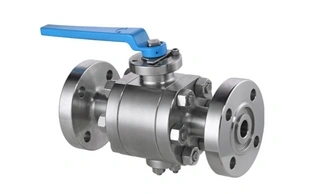
What Is a Metal Seated Ball Valve?
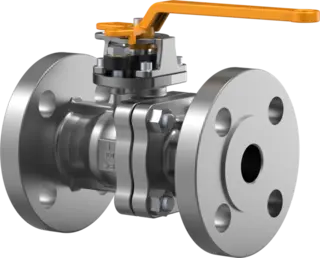
A metal seated ball valve is a type of quarter-turn valve that uses a rotating spherical closure element (the ball) combined with metallic sealing seats to control flow. The defining feature of this valve is the use of metal-to-metal sealing surfaces rather than soft elastomeric or polymeric inserts.
In this configuration, both the ball and seat are hardened using advanced surface treatment technologies such as:
- Tungsten carbide coating
- Stellite hardfacing
- Chrome carbide overlay
- Nickel-based alloy surfacing
- Ceramic-metal composite coating (in specialized designs)
These materials significantly enhance wear resistance, corrosion resistance, and thermal stability.
The valve operates by rotating the ball 90 degrees to either allow full flow or completely block passage. In certain designs, partial rotation can also regulate flow, although metal seated ball valves are primarily optimized for on/off or severe service isolation applications rather than precise throttling.
Working Principle of Metal Seated Ball Valve
The operation of a metal seated ball valve is simple in concept but highly engineered in execution.
When the valve is in the open position, the bore of the ball aligns with the pipeline, allowing fluid or gas to pass through with minimal resistance. When rotated 90 degrees, the solid surface of the ball blocks the flow path, creating a tight seal against the metal seat.
The sealing mechanism depends on several physical principles:
Metal-to-Metal Contact Pressure
The seat is pressed against the ball with controlled force, creating a sealing interface that resists leakage even under high differential pressure.
Precision Machining and Surface Finish
Extremely fine tolerances ensure uniform contact distribution, reducing leakage paths.
Thermal Expansion Compensation
Both seat and ball materials are selected to maintain dimensional stability at high temperatures.
Self-Lapping Effect
During initial operation, slight micro-adjustments in the metal surfaces improve sealing performance over time.
Pressure-Assisted Sealing
In many designs, higher internal pressure increases sealing force rather than weakening it, improving performance in high-pressure systems.
This combination makes metal seated ball valves highly suitable for extreme service environments where reliability is critical.
Key Characteristics of Metal Seated Ball Valves
Metal seated ball valves exhibit several defining characteristics that differentiate them from soft-seated designs:
1. High Temperature Resistance
These valves can operate in temperatures exceeding 400°C, and in some specialized designs even higher, depending on material selection.
2. Abrasion Resistance
Hardfaced sealing surfaces resist erosion caused by slurry, ash, sand, and other abrasive media.
3. Fire-Safe Performance
Metal seating ensures that even if external fire conditions destroy auxiliary sealing components, the valve maintains structural integrity and basic sealing capability.
4. Extended Service Life
Due to hardened surfaces and robust construction, service life is significantly longer in severe operating environments.
5. Bi-Directional Sealing Capability
Most designs offer sealing in both flow directions, improving installation flexibility.
6. Low Leakage Rates
Although not always achieving zero leakage like soft seats in low-pressure systems, modern designs meet stringent industrial leakage standards such as API 6D and ISO classifications.
7. Suitability for Severe Service
They are ideal for high-pressure drop, high-temperature, and erosive applications.
Structural Design of Metal Seated Ball Valves
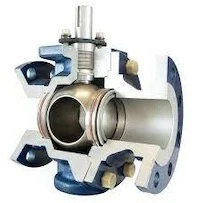
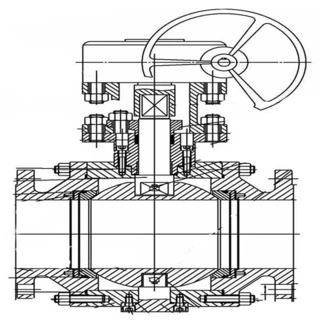
A typical metal seated ball valve consists of the following main components:
1. Valve Body
Usually made from carbon steel, stainless steel, or alloy steel depending on application requirements. It provides structural integrity and pressure containment.
2. Ball
The rotating element, typically forged and precision-machined, then coated with wear-resistant materials.
3. Metal Seats
The sealing components that contact the ball. These are often spring-loaded or floating to maintain consistent contact pressure.
4. Stem
Connects the ball to the actuator and transmits torque.
5. Seat Springs
Maintain preload between ball and seat to ensure tight sealing even under thermal expansion changes.
6. Sealing System
Includes graphite packing, secondary seals, and sometimes fire-safe sealing structures.
7. Actuation System
Can be manual, pneumatic, hydraulic, or electric depending on automation requirements.
Materials Used in Metal Seated Ball Valves
Material selection is one of the most critical aspects of performance.
Ball and Seat Materials:
- Stellite (Cobalt-based alloy)
- Tungsten carbide coatings
- Chromium carbide overlays
- Inconel alloys
- Hardened stainless steel
Body Materials:
- ASTM A216 WCB carbon steel
- ASTM A352 LCB/LCC low-temperature steel
- ASTM A351 CF8/CF8M stainless steel
- Duplex stainless steel (e.g., 2205, 2507)
Stem Materials:
- 17-4PH stainless steel
- Duplex stainless steel
- Nickel alloys for corrosive environments
Each material combination is selected based on pressure class, temperature range, and media type.
Advantages of Metal Seated Ball Valves
The increasing adoption of metal seated ball valves is driven by several key advantages:
1. Exceptional High-Temperature Performance
Unlike PTFE seats, which degrade above 250°C, metal seats remain stable under extreme heat.
2. Resistance to Abrasive Media
Ideal for mining slurries, fly ash, cement, and other particle-laden fluids.
3. Fire Safety Compliance
Metal sealing surfaces remain functional even during fire exposure.
4. Strong Pressure Handling Capability
Suitable for Class 600, 900, 1500, and even higher pressure ratings.
5. Long-Term Durability
Reduced maintenance requirements and longer service intervals.
6. Compatibility with Harsh Chemicals
Corrosion-resistant alloys allow use in aggressive chemical processing environments.
Limitations of Metal Seated Ball Valves
Despite their advantages, metal seated ball valves also have some limitations:
1. Higher Operating Torque
Metal-to-metal contact requires greater force to operate compared to soft seats.
2. Lower Zero-Leakage Capability in Low Pressure
Soft seats often achieve tighter sealing at very low pressures.
3. Higher Manufacturing Cost
Advanced materials and precision machining increase production cost.
4. Potential Wear During Initial Operation
Break-in period may cause slight wear before optimal sealing is achieved.
Applications of Metal Seated Ball Valves
Metal seated ball valves are widely used across heavy industries, including:
Oil and Gas Industry
- Pipeline isolation
- High-pressure transmission lines
- Refinery process systems
Petrochemical Plants
- Hydrocarbon processing
- High-temperature chemical reactions
- Catalyst handling systems
Power Generation
- Steam systems
- Boiler feed lines
- Ash handling systems
Mining and Metallurgy
- Slurry transport
- Ore processing systems
- High-abrasion pipelines
Chemical Industry
- Corrosive fluid handling
- High-temperature reactors
- Acid and solvent pipelines
Pulp and Paper Industry
- High-solid content slurries
- Chemical digestion processes
Manufacturing Process of Metal Seated Ball Valves
The production of a metal seated ball valve involves multiple precision engineering stages:
1. Forging or Casting
Valve bodies and balls are formed using high-strength forging or precision casting methods.
2. CNC Machining
All components are machined to tight tolerances to ensure perfect alignment.
3. Surface Hardening
Advanced coating processes such as HVOF spraying or Stellite welding are applied.
4. Heat Treatment
Improves mechanical strength and wear resistance.
5. Assembly
Components are assembled with precise alignment of ball and seat interfaces.
6. Pressure Testing
Each valve undergoes hydrostatic and pneumatic testing to ensure compliance with API or ISO standards.
7. Quality Inspection
Includes dimensional checks, coating thickness verification, and torque testing.
Standards and Certifications of Metal Seated Ball Valves
Metal seated ball valves are commonly manufactured according to international standards such as:
- API 6D (Pipeline valves)
- API 608 (Metal ball valves)
- ASME B16.34 (Valve design standards)
- ISO 17292 (Ball valves for petroleum and natural gas industries)
- Fire-safe standards such as API 607 and API 6FA
These standards ensure safety, reliability, and interoperability in global industrial systems.
Maintenance and Operational Considerations
Although metal seated ball valves are designed for durability, proper maintenance enhances service life:
- Regular lubrication of stem and actuator components
- Periodic inspection of seat wear
- Monitoring of torque changes during operation
- Cleaning of abrasive deposits in slurry applications
- Preventive replacement of sealing components when necessary
Proper installation alignment is also critical to prevent uneven wear on seating surfaces.
Industry Trends and Future Development
The global valve industry is witnessing several trends influencing metal seated ball valve development:
1. High-Performance Coatings
Advanced nano-coatings and ceramic-metal composites are improving wear resistance.
2. Automation Integration
Increasing use of electric and smart actuators for remote monitoring and control.
3. Energy Sector Expansion
Rising demand from LNG, hydrogen, and carbon capture systems.
4. Environmental Regulations
Stricter leakage control standards are driving adoption in emission-sensitive industries.
5. Digital Monitoring Systems
Predictive maintenance using IoT sensors is becoming more common in critical installations.
Conclusion
The metal seated ball valve represents one of the most robust and reliable solutions for modern industrial flow control systems operating under extreme conditions. Its metal-to-metal sealing structure provides unmatched durability in high-temperature, high-pressure, and abrasive environments where traditional soft-seated valves cannot perform effectively.
While it may involve higher initial cost and operating torque, its long service life, safety performance, and adaptability make it a preferred choice across oil and gas, petrochemical, power generation, and heavy industrial sectors.
As industries continue to evolve toward more demanding operating conditions and stricter safety standards, metal seated ball valves will remain a key technology supporting the reliability and efficiency of global fluid control systems.
Send your message to this supplier
Related Articles from the Supplier
Metal Seated Ball Valve vs. Soft Seated Ball Valves
- Dec 05, 2024
Selection of Metal-seated Ball Valve Accessories
- Nov 28, 2023
Non-technical Failures of Metal-seated Ball Valves
- Nov 07, 2023
Technical Failures of Metal Seated Ball Valves
- Dec 15, 2023
Related Articles from China Manufacturers
Metal Seated Ball Valve: A Comprehensive Overview
- Dec 13, 2024
Metal-Seated Ball Valve: Common Faults and Solutions
- Mar 19, 2024
API 6D Metal Seated Ball Valve
- May 22, 2020

Related Products Mentioned in the Article

Supplier Website
Source: https://www.mfrsvalve.com/news/metal-seated-ball-valve-technology-for-high-temperature-and-high-pressure-applications.html