
What is Valve Fugitive Emission: Source, Risk & Solutions
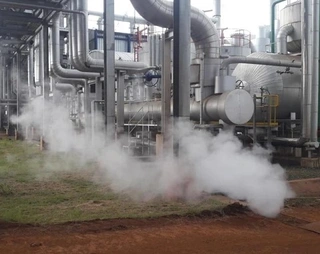
Fugitive emissions have become a critical concern across modern industrial sectors, particularly in oil and gas, petrochemical, chemical processing, and power generation industries. Unlike controlled emissions released through designated outlets such as stacks or vents, fugitive emissions are unintended leaks of gases or vapors from equipment components.
Among all industrial equipment, valves are one of the most significant contributors to fugitive emissions, primarily due to the dynamic sealing interface between the valve stem and packing system. These emissions typically occur at valve stems, flanged connections, pump seals, compressor components, and other mechanical joints.
The causes of fugitive emissions are multifaceted. Common contributing factors include mechanical wear, thermal cycling, corrosion, improper installation, inadequate maintenance, and inherent design limitations. Over time, even high-quality sealing systems may degrade under operational stress, increasing the likelihood of leakage.
From an environmental perspective, fugitive emissions play a major role in air pollution and climate change. Methane, a common component of fugitive emissions in the oil and gas sector, has a global warming potential more than 25 times greater than carbon dioxide over a 100-year timeframe. In addition, volatile organic compounds (VOCs), such as benzene and hydrocarbons, contribute to ground-level ozone formation, which poses serious risks to human health, including respiratory diseases and environmental degradation.
Given these challenges, the detection, quantification, and control of valve fugitive emissions have become essential priorities for industrial operators worldwide.
Importance of Fugitive Emissions Detection
The necessity of detecting fugitive emissions extends beyond environmental concerns and encompasses regulatory compliance, safety, and economic performance.
1. Regulatory Compliance
Governments and environmental agencies have introduced increasingly stringent regulations to control fugitive emissions. In the United States, regulatory enforcement has been significantly strengthened under the Clean Air Act. The Environmental Protection Agency (EPA), along with state-level authorities, frequently enforces compliance through legally binding agreements known as consent decrees.
These consent decrees require facilities to implement corrective actions, including enhanced monitoring, equipment upgrades, and the adoption of low-emission technologies. Non-compliance can result in substantial financial penalties, often exceeding $1,000 per leaking component, including valves.
As a result, regular monitoring and documentation of fugitive emissions are essential to ensure compliance and avoid legal liabilities.
2. Environmental Protection
Fugitive emissions are a major source of air pollutants, particularly VOCs and greenhouse gases. Reducing these emissions contributes directly to improved air quality and climate change mitigation.
VOCs are especially problematic because they react with nitrogen oxides in the presence of sunlight to form ground-level ozone, a key component of smog. Long-term exposure to such pollutants can harm ecosystems, reduce agricultural productivity, and negatively affect public health.
By implementing effective detection and control measures, industries can significantly reduce their environmental footprint.
3. Safety and Risk Management
Fugitive emissions can pose serious safety risks, particularly when involving flammable, toxic, or pressurized media. Undetected leaks may lead to fires, explosions, or hazardous exposure to personnel.
For example, leakage of hydrocarbons in confined spaces can create explosive atmospheres, while toxic gases such as hydrogen sulfide can pose immediate health threats. Early detection and prompt repair are therefore critical for maintaining safe working conditions and protecting surrounding communities.
4. Operational Efficiency and Cost Savings
From an operational perspective, fugitive emissions represent product loss and inefficiency. Leaking valves result in wasted resources, reduced system performance, and increased maintenance costs.
Implementing detection and repair programs not only minimizes these losses but also improves overall equipment reliability. In many cases, the cost savings achieved through reduced product loss and improved efficiency outweigh the investment in monitoring and control systems.
Leak Detection and Repair (LDAR) Programs
Leak Detection and Repair (LDAR) programs are widely adopted as a systematic approach to managing fugitive emissions. These programs are designed to identify, monitor, and repair leaks in a structured and consistent manner.
1. Core Components of LDAR
An effective LDAR program typically consists of three main elements:
Leak Detection: Equipment components, including valves, pumps, and connectors, are periodically inspected using portable monitoring instruments. The most commonly used method is EPA Method 21, which measures the concentration of leaking gases at potential emission points.
Leak Documentation and Repair: Identified leaks are recorded and categorized based on severity. Repairs must be carried out within specified timeframes, depending on regulatory requirements.
Leak Threshold Management: Acceptable leakage limits are defined, and efforts are made to reduce these thresholds over time to achieve better environmental performance.
2. Limitations of EPA Method 21
While EPA Method 21 is widely used, it has certain limitations. It is primarily a screening tool for identifying leaks and does not measure actual emission rates or mass flow. Additionally, it cannot be used to certify whether a valve meets low-emission performance standards.
3. Evolution Toward Preventive Strategies
In recent years, the industry has shifted from reactive repair approaches to proactive prevention strategies. Instead of focusing solely on identifying and fixing leaks, companies are increasingly investing in improved valve designs and materials that inherently reduce emissions.
This shift is often reinforced by regulatory requirements, which mandate the use of low-emission valves in new installations and maintenance projects.
Low-Emission Valves: Definition and Industry Practice
The concept of a “low-emission valve” is widely used but not strictly defined by regulatory bodies such as the EPA. In practice, the definition is typically based on leakage performance criteria established by industry standards or project specifications.
1. Common Qualification Methods
Two common approaches are used to define low-emission valves:
Manufacturer Guarantees: Valve manufacturers may provide written assurances that their products will not exceed a specified leakage rate (e.g., 100 ppm) over a defined period, such as five years.
Standardized Testing Certification: Valves are tested according to recognized industry standards, and certification documents are provided to demonstrate compliance with specified leakage limits.
2. Risks of Manufacturer Guarantees
While manufacturer guarantees can provide initial confidence, they also carry risks. Issues such as liability, warranty limitations, and replacement costs may arise if leakage occurs. Therefore, relying solely on guarantees without independent verification is not recommended.
3. Importance of Valves in Emission Reduction
Studies have shown that valves account for approximately 62% of fugitive VOC emissions in typical industrial facilities. This makes them the primary target for emission reduction efforts.
Installing valves that have been rigorously tested and certified for low emissions is one of the most effective ways to reduce overall fugitive emissions.
Fugitive Emission Testing Standards
A variety of international standards have been developed to evaluate valve fugitive emission performance. These standards differ in methodology, test conditions, and evaluation criteria.
1. API Standards
The American Petroleum Institute (API) has developed several widely used standards:
API 622: Packing Testing
API 622 evaluates the performance of valve packing materials under controlled laboratory conditions. The test involves mechanical cycling, thermal cycling, and leakage measurement using methane as the test medium.
API 624: Rising Stem Valves
API 624 tests complete rising stem valves equipped with graphite packing. It simulates real operating conditions and evaluates the valve’s ability to maintain low emissions over its service life.
API 641: Quarter-Turn Valves
API 641 applies to quarter-turn valves, such as ball and butterfly valves. It includes rotational cycling and leakage measurement under specified conditions.
API standards typically use methane as the test medium and define a clear pass/fail criterion, usually based on a leakage limit of 100 ppm.
2. ISO 15848-1 Standard
ISO 15848-1 provides an alternative approach to fugitive emission testing. It evaluates both stem seals and body seals using helium or methane as test media.
Unlike API standards, ISO 15848-1 classifies valves into different performance categories rather than a simple pass/fail outcome. While this provides more detailed performance information, it can also make compliance assessment more complex.
Selection of Appropriate Testing Standards
Selecting the appropriate fugitive emission standard depends on several factors:
- Valve Type: Rising stem or quarter-turn
- Regulatory Requirements: Project-specific or regional regulations
- Test Medium: Methane vs. helium
- Evaluation Criteria: Pass/fail vs. classification
In general, API standards are preferred for their simplicity and alignment with regulatory requirements, while ISO standards are valued for their detailed classification system.
Role of Third-Party Certification
Third-party certification plays a crucial role in ensuring the credibility of fugitive emission testing. Independent laboratories provide objective verification of valve performance, reducing the risk of bias associated with manufacturer-conducted tests.
Certification documents should include detailed information about the test conditions, procedures, and results. When procuring valves, companies should prioritize products with verified third-party certification.
Best Practices for Reducing Valve Fugitive Emissions
To effectively control fugitive emissions, companies should adopt a combination of design, operational, and maintenance strategies:
- Use low-emission valve designs with advanced packing systems
- Implement comprehensive LDAR programs
- Conduct regular maintenance and inspections
- Train personnel on proper installation and operation
- Utilize digital monitoring technologies for real-time detection
By integrating these practices, companies can achieve significant reductions in fugitive emissions while improving safety and efficiency.
Conclusion
Valve fugitive emissions represent a complex challenge that impacts environmental sustainability, regulatory compliance, safety, and operational performance. As industrial regulations become more stringent, the need for effective emission control strategies continues to grow.
Through the implementation of LDAR programs, adoption of low-emission valve technologies, and compliance with recognized standards such as API 622, API 624, API 641, and ISO 15848-1, industries can significantly reduce fugitive emissions. Ultimately, the transition from reactive leak management to proactive emission prevention is key to achieving long-term sustainability and operational excellence.
Send your message to this supplier
Related Articles from the Supplier
Related Articles from China Manufacturers

What is Valve Train for Diesel Generator Sets?
- Sep 19, 2025
What is the cause of valve cavitation?
- Jul 22, 2024
What is Forged Valve Manufacturing Process
- Apr 02, 2026
What is Ball Valve?
- Jul 29, 2015
Related Products Mentioned in the Article
Supplier Website
Source: https://www.magpievalves.com/media-hub/what-is-valve-fugitive-emission-source-risk-solutions.html