
An Introduction to Pressure Seal Bonnet Globe Valve
The pressure seal bonnet globe valve is an industrial valve specifically designed for high-pressure environments. Its core function is to reliably control fluid flow under extreme pressure while ensuring zero leakage. This type of valve is widely used in industries such as oil and gas, chemical, power generation, and nuclear power, serving as a critical safety device when handling hazardous media. Compared to ordinary globe valves, the main difference of the pressure seal bonnet globe valve lies in its sealing method. Ordinary valves rely on bolted gaskets to achieve sealing, whereas pressure seal bonnet globe valves adopt a unique metal-to-metal sealing structure. This design ensures that the higher the pressure, the better the sealing performance, perfectly solving the leakage problem in high-pressure conditions.
Working Principle of PSB Globe Valves
The core design concept of the pressure seal bonnet globe valve is to convert system pressure into sealing force. Specifically, the valve uses a tapered bonnet design, forming a precise metal contact surface between the bonnet and the body. When system pressure rises, the pressure acts on the bonnet, pressing it more tightly against the valve body and thereby enhancing the seal.
This self-energizing sealing mechanism includes two key components:
- Stem Sealing: The tapered structure of the bonnet directly compresses the packing into the gap between the valve stem and the valve body. As pressure increases, the compressive force also increases, ensuring that no leakage occurs at the stem. The precisely machined inner bore of the bonnet maintains good coaxial alignment with the stem, preventing jamming during valve operation.
- Body Sealing: Independent gaskets seal the two parts of the valve body, forming a stable barrier to prevent the medium from leaking or contacting the external environment.
Unlike traditional designs, this metal-to-metal pressing structure does not rely on bolt preload to maintain the seal. The compressive force of conventional packing can relax over time, increasing the risk of leakage. In contrast, the sealing force of the pressure seal structure comes from the system pressure itself: the higher the pressure, the tighter the seal, completely avoiding the shortcomings of traditional designs.
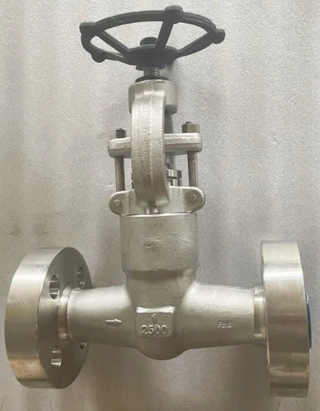
Sealing Design of Pressure Seal Bonnet Globe Valve
- Outstanding Sealing Performance: The leakage rate of a pressure seal bonnet globe valve can reach “molecular-level per year,” far exceeding industry standard requirements. This level of sealing performance is critical when handling toxic, flammable, explosive, or corrosive media. Even minor leaks in chemical installations can cause serious safety incidents or environmental pollution.
- Adaptability to Extreme Conditions: This valve can maintain sealing performance under extreme pressures above 1500 psi (approximately 10.3 MPa) and temperatures up to 800°F (approximately 427°C). In steam systems, it can withstand thermal shocks and pressure fluctuations, preventing packing failure. Ordinary valves often struggle to maintain reliable sealing under such conditions.
- Inherent Safety Features: The design of the pressure seal bonnet globe valve makes it an “intrinsically safe” device. This means its safety comes from the physical structure itself, rather than external auxiliary systems. As a large portion of industrial infrastructure relies on these valves to control volatile, toxic, or explosive media, they play an irreplaceable role in protecting equipment, process safety, and personnel.
- Long-Term Reliability: Since the sealing force comes from system pressure rather than bolt preload, the valve does not lose sealing performance due to packing aging or bolt loosening. This feature has made it widely used in high-reliability environments such as nuclear power plants, suitable for critical systems like feedwater, steam, and containment spray systems.
Internal Flow Path Design of PSB Globe Valves
The internal flow path design of a pressure seal bonnet globe valve directly determines how fluid flows under extreme pressure, which in turn affects the valve's performance and lifespan.
1. Common Flow Path Patterns
- Y-Type Flow Path: The stem and seat are arranged at a certain angle, creating a smoother fluid passage. Due to fewer directional changes, pressure loss is reduced and fluid motion is smoother. This design is commonly used in high-pressure steam globe valves, effectively coping with high pressure without excessive turbulence.
- Improved Straight-Through Flow Path: This design maintains the traditional valve body shape while optimizing the internal flow path. Manufacturers adjust seat angles and cavity shapes to guide fluid smoothly, reducing erosion caused by abrupt directional changes.
The choice between these two patterns depends on the specific pressure, flow rate, and operating temperature. Engineers select the appropriate internal flow path according to actual conditions to control turbulence and protect internal components from damage.
2. Importance of Flow Velocity Control
In high-pressure pipelines, fluid velocities are extremely high, easily generating turbulence inside the valve. Turbulence causes vibration, noise, and uneven pressure distribution, placing enormous stress on the seat, disc, and internal surfaces. Long-term operation can lead to wear or erosion, shortening the valve's service life.
Carefully designed flow paths control these effects by:
- Smooth Transitions: Gradually changing the direction of fluid to reduce turbulence and maintain stable flow.
- Optimized Cavity Shapes: Controlling acceleration or deceleration to avoid peak velocities that damage metal surfaces.
- Reinforced High-Stress Areas: Specially reinforcing erosion-prone areas such as seat rings, downstream valve walls, and disc contact edges.
3. Erosion Protection
High-temperature conditions increase the risk of valve body erosion. High-velocity steam gradually erodes metal surfaces, especially in areas with the highest flow rates. Pressure seal bonnet globe valves typically reinforce these high-stress areas to enhance durability under high-temperature steam conditions. Regular inspections can detect early signs of erosion, preventing severe damage.
Comprehensive Comparison with Ordinary Globe Valves
Having understood the working principle and core advantages of pressure seal bonnet globe valves, a natural question arises: what are the specific differences from ordinary globe valves, and why is a pressure seal design necessary in some scenarios while conventional valves suffice in others?
1. Structural Differences
Ordinary Globe Valves: Feature bolted bonnets that attach the cover to the body. This simple, cost-effective structure is suitable for a wide range of applications. The bonnet provides a seal and allows maintenance or replacement of the stem, disc, and seat.
Pressure Seal Bonnet Globe Valves: Use a pressure seal bonnet without conventional bolts. As system pressure increases, the sealing force between the bonnet and body also increases. This self-energizing seal makes it highly suitable for high-pressure conditions.
2. Sealing Performance Comparison
Ordinary Globe Valves: Rely on gaskets between the bonnet and body for sealing. While generally reliable under normal conditions, at extremely high pressures, gasket aging due to temperature, pressure, or chemical media may lead to potential leaks.
Pressure Seal Bonnet Globe Valves: Provide outstanding sealing performance. Their pressure-assisted sealing mechanism maintains tight closure even at very high pressures, with leakage rates far below ordinary valves.
3. Application Scope
Ordinary Globe Valves: Typically used in low to medium-pressure conditions, suitable for water treatment, HVAC, and general industrial processes. They are appropriate where high-pressure performance is unnecessary and cost is a consideration.
Pressure Seal Bonnet Globe Valves: Specifically designed for high-pressure environments, widely used in power plants, refineries, and pipelines with pressures reaching several thousand psi. In steam power plants, they control high-pressure steam flow, and their ability to maintain a seal under extreme pressures makes them indispensable for critical applications.
4. Maintenance and Cost Considerations
Ordinary Globe Valves: Relatively easy to maintain. Bolted bonnets allow quick disassembly to access internal components for inspection, repair, or replacement of the disc, seat, and stem.
Pressure Seal Bonnet Globe Valves: Require more specialized maintenance. Their pressure seal design demands careful handling during disassembly to avoid damaging sealing surfaces. Frequent inspection is often necessary due to high-pressure usage. Regarding cost, ordinary valves are generally cheaper due to simpler design and lower manufacturing complexity, suitable for non-critical applications. Pressure seal valves are more expensive due to advanced design, high-quality materials, and precise manufacturing. However, their excellent sealing performance and reliability under high pressure usually justify the higher cost over the long term.
Main Application Areas of PSB Globe Valves
- Chemical Industry: Used extensively in chemical installations to prevent leaks of hazardous chemicals that could endanger personnel and equipment. These valves can securely contain strong acids, bases, catalysts, and volatile organic compounds even under thermal or pressure fluctuations, achieving zero-emission control.
- Oil & Gas: Drilling operations involve high-temperature, high-pressure, and flammable hydrocarbons. Pressure seal valves, with excellent fire safety performance, have mature applications in oil and gas production and can respond quickly during emergency shutdowns.
- Power Industry: Steam heating and turbine systems often involve superheated steam exceeding 800°F and pressures above 1500 psi. Ordinary valves struggle under such conditions, while pressure seal valves, using high-performance sealing materials, reliably operate through repeated high-temperature cycles, avoiding packing failure.
- Nuclear Power: Safety and reliability requirements are extremely stringent. Pressure seal bonnet globe valves provide leak-proof isolation under strong radiation and extreme conditions, suitable for feedwater, steam, and containment spray systems. Their intrinsic safety makes them the preferred valve type in nuclear power plants.
Selection and Usage Recommendations
- Determine Pressure Rating: Accurately assess the maximum system pressure. The advantages of pressure seal valves are fully realized in high-pressure environments; for lower pressures, ordinary valves may be more economical.
- Consider Medium Characteristics: Fully understand the properties of the fluid passing through the valve, including temperature, corrosiveness, and toxicity. High-reliability sealing is particularly important for hazardous media.
- Select Appropriate Flow Path Design: Choose between Y-type flow paths or improved straight-through paths depending on the application. Y-type reduces pressure loss, while improved straight-through maintains traditional installation dimensions while optimizing flow.
- Emphasize Material Selection: High-temperature alloys resist erosion and corrosion better than ordinary steel. Material selection directly impacts valve lifespan in high-temperature, high-pressure applications.
- Ensure Manufacturing Quality: Smooth internal surfaces reduce friction and maintain stable flow. Select suppliers with precise manufacturing capabilities to ensure internal flow paths are accurately implemented.
Maintenance of PSB Globe Valves
Even though pressure seal bonnet globe valves are designed for long-term reliable operation, proper maintenance is still essential:
- Regular Inspections: Establish inspection schedules, focusing on sealing surfaces and erosion signs. Early detection prevents serious damage.
- Professional Disassembly: Maintenance should be performed by trained personnel to avoid damaging precision sealing surfaces.
- Record Maintenance History: Detailed records help predict valve lifespan and plan replacement schedules.
Conclusion
Pressure seal bonnet globe valves represent an important advancement in industrial valve technology. By converting system pressure into sealing force, they solve the leakage problems faced by conventional valves under high-pressure conditions. Their outstanding sealing performance, adaptability to extreme conditions, and intrinsic safety make them core equipment in high-risk industries such as oil and gas, chemical, power generation, and nuclear energy.
Although the initial cost is higher than that of ordinary globe valves, their long-term reliability and safety in high-pressure applications often justify the investment. As industrial systems demand higher pressures, the importance of pressure seal bonnet globe valves will continue to grow, providing reliable safety assurance for critical processes. Understanding their working principle and advantages, combined with selecting based on actual operating conditions, is key to ensuring safe and efficient system operation.
Send your message to this supplier
Related Articles from the Supplier
An Introduction to Pressure Seal Bonnet Globe Valve
- Mar 28, 2026
An Introduction to Through-Conduit Knife Gate Valve
- Sep 04, 2025
An Introduction to Full-Lift Safety Valve
- Sep 19, 2025
An Introduction to Orbit Ball Valve
- Nov 26, 2025
An Introduction to Metal-Seated Butterfly Valves
- Jan 07, 2026
An Introduction to PTFE Lined Ball Valves
- Jun 01, 2026
Related Articles from China Manufacturers
An Introduction to High-Pressure Valve Packing
- Dec 26, 2025
An Introduction to Countergravity Casting Technology
- Sep 02, 2025
An Introduction to Solution Treatment for Forgings
- Feb 27, 2026

An Introduction to the Digital Two Way Radios
- May 16, 2017

An Introduction to Vacuum Packaging for Food
- Mar 03, 2021

An Introduction to Sous Vide Cooking
- Oct 22, 2020

An Introduction to Food Preservation Techniques
- Mar 26, 2022

An Introduction to 23mn Steel Pipe
- Aug 29, 2020
Related Products Mentioned in the Article

Zhejiang Kosen Valve Co., Ltd.
- https://www.kosenvalve.com/
- Business Type: Industry & Trading, Manufacturer,
Supplier Website
Source: https://www.kosenvalve.com/media-hub/an-introduction-to-pressure-seal-bonnet-globe-valve.html