
A Practical Guide to Marine Valves for Ship Operation
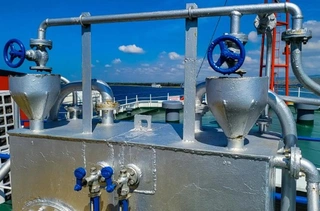
Marine valves are specialized fluid control devices used in ships and offshore installations, also referred to as ship valves. They are indispensable key components of ship systems, mainly used to control the direction, flow, and pressure of liquids and gases in pipelines. Unlike ordinary industrial valves, marine valves are designed specifically for the marine environment and must withstand seawater corrosion, high pressure, vibration, as well as drastic changes in temperature and humidity. These valves are made from special materials such as bronze, stainless steel, and duplex steel to ensure long-term stable operation under harsh marine conditions.
The basic functions of marine valves include starting or stopping fluid flow, regulating flow rate, changing flow direction, controlling pipeline pressure, and quickly cutting off fluid supply in emergencies. These functions are important for ensuring ship safety, improving operational efficiency, and reducing maintenance costs.
Major Types of Marine Valves
According to their structure and working principle, marine valves can be divided into the following common types:
1. Marine Ball Valves
Ball valves use a spherical valve core as the closure element and achieve opening or closing by rotating 90 degrees. These valves are characterized by easy operation, good sealing performance, and low fluid resistance.
In ship applications, the rapid shut-off capability of ball valves makes them an ideal choice for isolation and flow control. They are widely used in fuel systems, oil circuits, and situations that require quick shutdown. During maintenance or emergency stops, ball valves can quickly isolate pipeline sections to prevent accidents from spreading.
2. Marine Gate Valves
Gate valves control fluid using a sliding gate. When fully open, they provide minimal flow resistance, suitable for full-bore flow applications. Gate valves offer reliable sealing and are especially suitable for systems that require complete opening or complete closure.
In ship ballast water systems, gate valves are commonly used to control the inflow and outflow of water. Ballast water systems are crucial for ship stability, adjusting the vessel's draft by filling or emptying ballast tanks, and gate valves play a key role in this process.
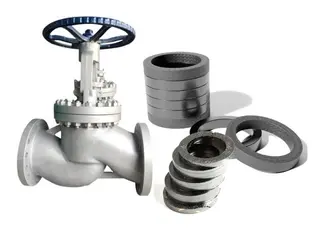
3. Marine Globe Valves
Globe valves use a combination of valve plug and valve seat, controlling flow through linear movement of the valve plate. These valves allow precise flow control, suitable for throttling and fine adjustment applications.
In ship engine systems, globe valves are commonly used for fine-tuning the flow in cooling water and lubrication systems. They can precisely control the amount of fluid passing through, ensuring the engine operates at optimal temperature.
4. Marine Butterfly Valves
Butterfly valves use a rotating disc as the closure element, featuring small size, light weight, and fast operation. Flow is controlled by rotating the disc, and the design is simple yet efficient.
In ship applications, butterfly valves are widely used for ballast water pipelines, ventilation ducts, and seawater flow regulation in cooling systems. Their compact design makes them especially suitable for confined spaces on ships.
5. Marine Check Valves
Check valves allow fluid to flow in only one direction, automatically preventing backflow. These valves are particularly important in environmental protection and safety systems, preventing backflow into bilges, keeping compartments dry, and maintaining system pressure to prevent water ingress.
In firefighting and drainage systems, check valves ensure fluid flows in the intended direction, protecting equipment from reverse flow impact.
6. Marine Safety Valves
Safety valves are used to prevent system overpressure. They automatically open to release pressure when it exceeds a set value, protecting pipelines and equipment. This is an essential protective device in shipboard pressure systems.
Material Selection for Marine Valves
The unique marine environment imposes strict requirements on valve materials. Correct material selection directly affects the valve’s service life and reliability.
1. Common Material Types
- Bronze: Offers good corrosion resistance and is a traditional material for seawater applications. It has moderate cost and good machinability.
- Stainless Steel: Provides a robust solution for standard applications with good corrosion resistance and strength, suitable for general marine environments.
- Duplex and Super Duplex Steel: Suitable for critical high-pressure, corrosion-resistant applications, with excellent strength and pitting resistance, ideal for high-pressure systems.
- Nickel Alloys: Suitable for extreme temperature environments, maintaining stable performance under high or low temperatures.
- Copper-Nickel Alloys: Show excellent anti-biofouling performance in seawater cooling systems, reducing marine growth.
- Titanium Alloys: Offer unmatched corrosion resistance and strength-to-weight ratio, though costly, mainly used in special high-demand applications.
2. Corrosion Protection Measures
Marine valve corrosion protection requires a multi-layered strategy. In addition to selecting corrosion-resistant materials, measures include:
- Surface Coatings: Epoxy, polyurethane, or PTFE coatings isolate the metal base from seawater.
- Cathodic Protection: Sacrificial anodes protect submerged valves through electrochemical principles.
- Modern Sealing Technology: Prevents seawater from entering the valve while ensuring necessary mechanical movement.
- Self-Cleaning Mechanisms: Prevent sediment accumulation and reduce corrosion-accelerating factors.
Main Applications of Marine Valves
Marine valves perform key fluid control functions across ship systems. Based on functional requirements, these valves are installed in critical shipboard systems to ensure liquids and gases flow as intended. From power system cooling to vessel balance, from fuel supply to safety protection, valves cover all aspects of ship operation. Key applications include:
1. Seawater Cooling Systems
Seawater cooling is one of the most common applications for marine valves. Ship engines, generators, and heat exchangers generate significant heat during operation, which must be removed via seawater.
Gate, ball, and butterfly valves are used together to control seawater flow and regulate the temperature of critical equipment. Reliable valve operation directly affects the efficiency and lifespan of power equipment.
2. Ballast Water Systems
Ballast water systems are crucial for ship stability. Ships adjust draft and center of gravity by filling or discharging ballast tanks during cargo operations or when navigating varying sea conditions.
Modern ballast water valves face unique challenges, balancing operational requirements with environmental regulations. Precise flow control ensures vessel stability while preventing the spread of invasive species. Modern systems include automatic control and real-time sensors to monitor flow and meet environmental standards.
3. Fuel Systems
Ship fuel systems use complex pipelines to supply engines and generators. Ball valves are widely used to control fuel flow and isolate sections during maintenance or emergencies.
Fuel transfer systems regulate fuel from storage tanks to engines, ensuring efficient propulsion. Valve sealing performance directly affects fuel leakage risk and ship safety.
4. Lubrication Systems
Engines and related equipment require continuous lubrication. Globe valves are used to precisely adjust the flow of lubricating oil, ensuring moving parts are properly lubricated.
5. Firefighting Systems
Firefighting systems require valves to operate reliably even after long periods of inactivity. Valves must be ready at all times to respond immediately in emergencies such as fires.
6. Environmental and Safety Systems
In bilge drainage systems, check valves prevent seawater backflow into compartments. Emergency shut-off valves can quickly isolate critical systems during fires or collisions, preventing disaster escalation.
Key Considerations for Marine Valve Selection
Selecting suitable marine valves for ships requires a comprehensive technical evaluation, considering:
1. Operating Conditions
Working Pressure: Valves must withstand the system’s maximum operating pressure with safety margin.
Working Temperature: Materials and seals must match fluid temperature.
Fluid Type: Different fluids such as fuel, seawater, and lubricating oil have distinct requirements for valve materials and structure.
2. Material Selection
Choose bronze, cast iron, stainless steel, or special alloys according to fluid and environment. Materials must have relevant classification society certification.
3. Connection Type
Select flanged, threaded, or clamp connections based on pipeline system requirements to ensure easy installation and reliable sealing.
Functional Requirements:
- Ball valves for quick shut-off
- Globe valves for precise adjustment
- Check valves for preventing backflow
- Gate or butterfly valves for high flow, low resistance
4. Certification Requirements
Marine valves must comply with IMO and relevant classification society standards, obtaining necessary type approval certificates.
Marine Valve Maintenance and Care
Correct installation and regular maintenance are the foundation of long-term reliable operation:
- Regular Inspection: Establish routine inspections to check appearance, connections, and operating mechanisms, with emphasis on sealing and corrosion.
- Lubrication Maintenance: Regularly lubricate moving parts with marine-grade grease to ensure smooth operation and prevent seawater washout.
- Functional Testing: Periodically operate valves to verify functionality. Safety and shut-off valves that are seldom used require regular testing to ensure readiness.
- Leak Detection: Check all sealing points for leaks and promptly address minor leaks to prevent serious failures.
- Record Management: Maintain complete maintenance records to track valve operation history and provide data for predictive maintenance.
Conclusion
Marine valves play a core role in ship operation and safety. From seawater cooling to fuel supply, from ballast water adjustment to firefighting protection, valves ensure the safe and efficient operation of vessels. Understanding the characteristics and applications of different valve types, mastering proper selection methods, and implementing standardized maintenance are fundamental to smooth and seaworthy operations. With the development of intelligent technology, modern marine valves are becoming more reliable, efficient, and manageable.
For ship operators and equipment managers, valuing valves, seemingly ordinary yet critically important components, and investing in proper selection and careful maintenance is a wise way to ensure navigation safety, reduce operational costs, and improve vessel reliability. In the maritime world, marine valves are truly indispensable components.
Send your message to this supplier
Related Articles from the Supplier
A Comprehensive Introduction to Pneumatic Actuators
- Mar 03, 2025
A Complete Guide to Diaphragm Valve Maintenance
- Jan 06, 2026
A Complete Guide to Mechanical Steam Traps
- Jan 08, 2026
A Comparison of SBB Ball Valves and DBB Ball Valves
- Feb 25, 2026
Related Articles from China Manufacturers

A Practical Guide to Meal Prep
- Nov 08, 2021

A Practical Guide to Gasket Thickness Decisions
- May 24, 2025
A Practical Guide to Gasoline Generator Operation
- Sep 03, 2025

Related Products Mentioned in the Article

Zhejiang Kosen Valve Co., Ltd.
- https://www.kosenvalve.com/
- Business Type: Industry & Trading, Manufacturer,
Supplier Website
Source: https://www.kosenvalve.com/media-hub/a-practical-guide-to-marine-valves-for-ship-operation.html