
How to Install a Vending Machine Lock: A Complete Guide to Security, Types, and Best Practices
Introduction
Vending machines are valuable assets that generate steady revenue in offices, schools, hospitals, factories, and public spaces. Because they often operate unattended and contain both cash and merchandise, vending machines are frequent targets for theft, vandalism, and unauthorized access. A reliable locking system is therefore one of the most important components of vending machine security.
Whether you are installing a lock on a new vending machine, upgrading outdated hardware, or replacing a damaged or compromised lock, understanding how vending machine locks work—and how to install them correctly—is essential. The right lock not only protects your investment but also minimizes downtime, prevents inventory loss, and provides peace of mind.
This article provides a comprehensive overview of vending machine lock installation. It explores the most common types of vending machine locks, explains their advantages and use cases, walks through the installation process step by step, and clarifies how vending machine key codes work. By the end of this guide, you will have a clear understanding of how to select, install, and manage vending machine locks effectively.
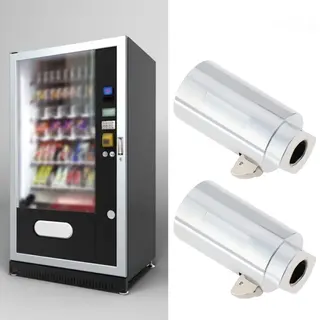
Why Proper Lock Installation Matters
A vending machine lock is the first and most critical line of defense against theft. Even a high-quality lock can fail to provide adequate protection if it is installed incorrectly. Poor alignment, loose mounting hardware, or incorrect hole sizing can compromise security and make the lock vulnerable to tampering.
Proper installation ensures:
Maximum resistance to forced entry
Smooth locking and unlocking operation
Longer lock lifespan
Reduced maintenance and repair costs
Consistent access control for authorized users
For operators managing multiple machines across different locations, standardized lock installation also simplifies key management and improves operational efficiency.
Different Types of Vending Machine Locks
Before installing a lock, it is important to understand the different types available and how they compare in terms of security, convenience, and cost. The most common vending machine locks include tubular locks, T-handle locks, and electronic locks.
Tubular Locks
Tubular locks are the most widely used locking mechanism in vending machines today. Recognizable by their round keyway and cylindrical design, these locks are known for their durability and resistance to tampering.
Key Features and Benefits:
Made from thick, hardened metal
Difficult to saw, drill, or force open
More resistant to picking than standard flat locks
Compact design suitable for most vending machines
Tubular locks provide a strong balance between security and affordability, making them the industry standard for many vending machine operators. They are commonly used in snack machines, beverage machines, and combination units.
While no mechanical lock is completely pick-proof, high-quality tubular locks offer significantly better protection than traditional cam locks and are suitable for most environments.
T-Handle Locks
T-handle locks are easily identifiable by their distinctive T-shaped handle. These locks are commonly used on vending machines that require frequent access, such as machines in high-traffic or service-intensive locations.
Key Features and Benefits:
Simple and robust mechanical design
Easy to operate with the correct key
Provides strong resistance to forced entry
Allows fast access for authorized personnel
The T-handle design makes these locks especially user-friendly. With the correct key, the lock can typically be opened in just a few seconds, improving service efficiency for operators who need to restock or maintain machines regularly.
T-handle locks are durable and reliable, though they may not offer the same level of resistance to advanced tampering methods as high-security tubular or electronic locks.
Electronic Locks
Electronic vending machine locks represent the latest advancement in vending machine security. These high-tech systems replace traditional keys with digital access methods such as PIN codes, RFID cards, or mobile app authorization.
Key Features and Benefits:
Eliminates risk of key duplication or loss
Strong resistance to physical tampering
Provides access logs with date, time, and user identity
Supports remote monitoring and management
Electronic locks are increasingly popular among large vending operators and fleet managers who require detailed access control and accountability. Each time the lock is opened, the system records who accessed the machine and when, helping operators detect unauthorized access or internal theft.
While electronic locks are more expensive and require power and configuration, they provide unmatched security and transparency, making them ideal for high-value machines or sensitive locations.
Tools and Materials Needed for Installation
Before starting the installation process, gather the necessary tools and materials to ensure a smooth and safe workflow. Typical requirements include:
New vending machine lock kit
Matching keys or access credentials
Screwdriver or wrench
Measuring tape
Marker or pen
Electric drill
Drill bit matching lock diameter
Safety glasses
Having everything prepared in advance reduces installation time and minimizes the risk of errors.
Step-by-Step Guide to Installing a Vending Machine Lock
Installing a vending machine lock is a straightforward process when performed carefully and methodically. Follow these steps to ensure proper installation and secure operation.
Step 1: Choose the Right Lock Kit
Selecting the correct lock kit is the foundation of a successful installation. The lock must be compatible with your vending machine’s door thickness, mounting configuration, and existing locking mechanism.
When choosing a lock kit, consider:
The type and model of vending machine
Required security level
Environmental conditions
Frequency of access
Always verify product specifications before purchasing to ensure compatibility and avoid unnecessary modifications.
Step 2: Remove the Old Locking Mechanism
Begin by unlocking the vending machine and opening the door. Using a screwdriver or wrench, loosen and remove the screws or retaining nut that secure the existing lock.
Once the old lock is removed:
Inspect the mounting hole for damage
Remove dirt, debris, or metal shavings
Clean the surrounding area
A clean and undamaged mounting surface ensures a proper fit for the new lock.
Step 3: Measure and Mark the Hole
Accurate measurement is critical to proper alignment. Use a measuring tape to confirm the diameter of the hole required for the new lock.
If the hole needs to be adjusted:
Mark the correct position clearly
Double-check measurements before drilling
Precise marking prevents misalignment, which can cause the lock to bind or fail prematurely.
Step 4: Drill the Hole
If drilling is required, select a drill bit that matches the diameter specified by the lock manufacturer. Put on safety glasses to protect your eyes from metal debris.
When drilling:
Apply steady, controlled pressure
Avoid drilling too deep or widening the hole unnecessarily
Keep the drill perpendicular to the surface
Improper drilling can weaken the vending machine door and compromise security.
Step 5: Install the New Lock
Insert the new lock into the prepared hole, ensuring it sits flush with the surface. Secure the lock using the mounting hardware provided in the lock kit.
Check alignment carefully before tightening:
The lock should turn smoothly
The cam or latch should engage properly
Once aligned, tighten the hardware securely without overtightening, which could damage the lock or door.
Step 6: Test the Lock
Insert the key or activate the electronic access method to test the lock’s operation. Open and close the lock multiple times to confirm smooth and reliable performance.
If issues arise:
Recheck alignment
Adjust mounting hardware
Ensure the cam is correctly positioned
Do not proceed until the lock functions perfectly.
Step 7: Final Inspection and Functional Test
Perform a final inspection of all components:
Check for loose screws or fittings
Ensure the door closes properly
Verify the lock secures the machine firmly
Test the overall functionality of the vending machine one last time to confirm that the new lock does not interfere with normal operation.
Understanding Vending Machine Key Codes
Managing keys efficiently is essential for vending machine operators, especially when overseeing multiple machines.
Flat Key Codes
Flat vending machine keys are typically stamped with a key code consisting of letters and numbers. These codes vary widely, and even similar-looking keys may not be interchangeable.
Key codes are the primary way to identify and differentiate flat keys, but they require careful recordkeeping.
Lock Codes vs. Key Codes
It is important to note that the code stamped on a vending machine lock is not the same as the key code. Lock codes identify the lock model or series, not the specific key required to open it.
For this reason, operators should maintain accurate records linking each machine to its corresponding key code.
Simplifying Key Management
Many vending machine owners choose to install the same type of lock across all machines. This approach allows:
A single key to access multiple machines
Reduced risk of carrying the wrong key
Faster servicing and maintenance
Standardization simplifies operations and reduces administrative complexity.
What to Do If You Lose a Vending Machine Key
If a vending machine key is lost or missing—particularly with secondhand machines—access can become a serious challenge. In most cases, replacing the entire lock is the most reliable solution.
Installing a new lock:
Restores secure access
Eliminates risk from unauthorized key holders
Allows you to reset key control
Given the relatively low cost of mechanical locks, replacement is often more practical than attempting to duplicate or recover lost keys.
Conclusion
Installing a vending machine lock is a vital task that directly impacts security, operational efficiency, and revenue protection. By understanding the different types of locks available, selecting the right hardware, and following proper installation procedures, vending machine operators can significantly reduce the risk of theft and unauthorized access.
Whether you choose a durable tubular lock, a user-friendly T-handle lock, or a sophisticated electronic locking system, careful planning and precise installation ensure long-lasting performance. Combined with effective key management and regular inspections, a well-installed vending machine lock provides dependable protection and peace of mind in any operating environment.
Send your message to this supplier
Related Articles from the Supplier
How to Prevent Lock Picking?
- Jan 05, 2021
How to Maintain Common Key Locks?
- Feb 22, 2021
How to Choose a Weatherproof Lock for Base Stations?
- Dec 14, 2021
How to Protect the Safety of Vending Machines?
- Jan 10, 2022
Related Articles from China Manufacturers
How to Install a Cam Lock?
- May 09, 2020


How to Install a Threaded Needle Valve
- Mar 20, 2026
How to Easily Install a New Door Lock
- Jul 02, 2024
How to Properly Install a Control Valve
- May 30, 2024
Related Products Mentioned in the Article

Supplier Website
Source: https://www.vendingmachinelocks.com/news/how-to-install-a-vending-machine-lock-a-complete-guide-to-security-types-and-best-practices.html