
Requirements for Hospital Backup Generators
Hospitals are among the most electricity-dependent places in modern society. From ventilators in intensive care units to surgical lighting in operating rooms, from laboratory freezers to large imaging equipment, nearly every medical activity relies on electricity. If a power outage occurs due to natural disasters, equipment failure, or grid instability, the consequences go far beyond mere inconvenience—patient lives can be directly at risk. Ventilators may stop working, surgeries might be interrupted, medicines and blood samples can spoil due to uncontrolled temperatures, and even elevators, access control systems, and HVAC units can fail.
To mitigate these risks, regulatory authorities around the world have established strict standards for hospital backup generators. These cover everything from how quickly a generator must start, to how long its fuel supply should last, to how power is classified and distributed, and the frequency of testing. Each requirement has been developed through extensive practice and verification. This article provides a detailed explanation of the requirements hospital backup generators must meet, helping healthcare facilities and related personnel fully understand this critical system.
Why Hospitals Depend on Reliable Backup Power?
Understanding the requirements for hospital backup generators starts with recognizing why hospitals are so “picky” about electricity. This dependence arises from two main factors: the immediate impact of power outages on medical operations, and the unique nature of hospital power needs.
1. Direct Impact of Power Outages on Medical Operations
Hospitals are some of the most electricity-intensive facilities in society. While they occupy less than 5% of commercial building area, their energy consumption exceeds 10% of the total commercial sector usage. Much of this electricity is used to maintain life-support systems, bedside monitoring and alarm devices, operating room lighting, and other critical functions.
When the main power supply is interrupted, the consequences extend far beyond canceled surgeries or disconnected phones. Ventilators in intensive care units, monitors in post-anesthesia recovery areas, and heart-lung machines in operating rooms—if these devices lose power, patients’ lives can be immediately endangered. Laboratory-stored blood, plasma, tissue samples, and temperature-sensitive medications can spoil when refrigerators and freezers stop working. Furthermore, HVAC shutdowns compromise air quality, elevator failures impede patient transport, and access control malfunctions introduce security risks.
2. The Unique Nature of Hospital Power Needs
Hospital electrical systems are complex, designed to simultaneously support intensive care units, diagnostic areas, general wards, and infrastructure services. Unlike ordinary commercial buildings, a hospital's electrical system is not just for lighting or general power—it must ensure that life-critical equipment remains operational under any circumstances. This unique requirement means hospitals cannot rely solely on the municipal grid and must maintain independent emergency power systems, ready to respond to unexpected outages.
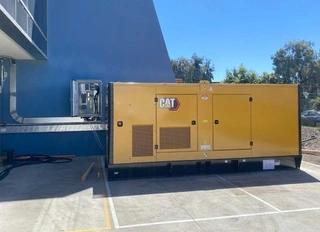
Regulations and Standards for Hospital Backup Generators
Once the need for backup power is understood, it’s important to consider the regulatory framework that governs it. Standards such as NFPA 99, NFPA 110, and other related codes form the compliance foundation for hospital generator systems.
1. NFPA 99
NFPA 99, the “Health Care Facilities Code” developed by the U.S. National Fire Protection Association, is a fundamental reference for hospital electrical system design. This standard classifies backup generators as core components of “critical electrical systems,” requiring hospitals to maintain continuous, stable power support during outages.
NFPA 99 defines a hospital's critical electrical system typically as a Type 1 Essential Electrical System (EES). This system is further divided into three independent branches: life safety, critical, and equipment branches. The life safety and critical branches must use dedicated wiring with special protection to prevent power failure due to line faults during emergencies.
2. NFPA 110
NFPA 110, the “Standard for Emergency and Standby Power Systems,” specifies performance metrics, classification, installation, and maintenance standards for emergency power. It divides systems into Level 1 and Level 2:
Level 1 systems power life-sustaining devices and critical medical equipment, addressing scenarios where outages pose direct threats to life.
Level 2 systems provide power for less critical equipment, such as lighting, with a lower risk profile.
NFPA 110 also sets minimum runtime requirements without external refueling. For hospitals, backup generators are typically expected to operate continuously for 24 to 96 hours with sufficient on-site fuel reserves.
3. Other Regulations and Certification Requirements
Beyond NFPA standards, hospitals must comply with multiple regulations. For example, OSHA requires all hospitals to maintain adequate backup generators. Accreditation bodies, such as The Joint Commission, mandate testing and maintenance based on NFPA standards for certification. NFPA 70, the National Electrical Code, covers technical details for internal hospital electrical installations. While NFPA standards are widely recognized, local enforcement is usually managed by fire departments, and occasionally labor or health authorities.
Key Design Considerations for Emergency Power Systems
Within the regulatory framework, hospital emergency power systems must address specific engineering details. These include functional segregation of three power branches, technical requirements for sub-10-second response, and fuel reserves with sustained operation capabilities.
1. The Three Power Branches and Their Functions
The three branches of a hospital’s critical electrical system each serve distinct purposes, essential for compliance and safety:
- Life Safety Branch: Powers emergency lighting, fire alarm systems, and emergency communication systems, ensuring safe evacuation and functional command operations during outages.
- Critical Branch: Supplies life-sustaining equipment such as ventilators, ICU monitors, and operating room lighting. Interruption here could directly result in fatalities.
- Equipment Branch: Supports hospital mechanical systems like HVAC, air compressors, and elevators, maintaining overall operational environment.
Generator design must account for each branch's load independently. Combining loads from different branches can compromise compliance and risk equipment failure during power loss.
2. Achieving Response Within 10 Seconds
Hospital equipment requires power within 10 seconds of an outage to avoid endangering life. NFPA 110 mandates automatic transfer switches detect outages, trigger generator startup, and transfer loads from grid to generator within approximately 10 seconds.
During this brief interval, uninterruptible power supply (UPS) systems temporarily supply critical equipment, preventing shutdowns or data loss. This layered protection ensures minimal impact on patients and medical devices during transitions.
3. Fuel Reserves and Sustained Operation
Hospitals must plan to operate independently for sufficient durations. Strategies include on-site fuel storage or emergency delivery agreements with suppliers. Fuel quality is crucial—diesel may degrade or develop microbial contamination, while natural gas may be interrupted during disasters. Many hospitals adopt dual-fuel systems to maximize redundancy.
Generator Types and Technology Choices
Once system design considerations are clear, hospitals must choose appropriate generator types. Diesel, natural gas, dual-fuel systems, and mobile backup solutions each have specific advantages and use cases.
1. Diesel Generators
Diesel generators are the most common hospital backup power solution. Advantages include rapid startup, high power density, and durable, reliable performance, making them suitable for Level 1 emergency systems. Diesel technology is mature, with established maintenance practices. Drawbacks include the need for on-site fuel storage and routine fuel monitoring and replacement, adding cost and management complexity.
2. Natural Gas and Dual-Fuel Systems
Natural gas generators connect directly to municipal gas pipelines, offering quieter operation, lower emissions, and reduced fuel management burdens. However, extreme events like earthquakes or freezing can disrupt gas supply. Dual-fuel systems—primarily natural gas, with automatic switch to diesel or propane if needed—combine benefits and enhance resilience. Emission regulations (e.g., EPA Tier 4 Final) and clean fuels like HVO also influence long-term generator selection strategies.
3. Mobile and Portable Backup Solutions
In addition to fixed large generators, hospitals may deploy high-capacity mobile or skid-mounted generators for temporary power during maintenance or disasters. Portable units are essential for temporary facilities, field hospitals, or hospitals undergoing electrical upgrades, typically managed by rental providers.
System Redundancy and Load Management Strategies
After selecting generators, system design must maximize overall reliability through parallel operation, N+1 redundancy, precise load calculations, and prioritized power for critical devices.
1. Parallel Operation and N+1 Redundancy
Large hospitals often use multiple generators in parallel to prevent single-point failure. N+1 redundancy ensures one extra generator is available above total load requirements, allowing continued operation if a unit fails or undergoes maintenance. Parallel systems can adjust operating units according to real-time load, reducing wear from extended low-load operation.
2. Load Calculation and Branch Planning
Generator sizing requires precise load calculations covering all three critical branches, future expansion, and peak emergency demand. Loads include imaging equipment (MRI, CT), HVAC, pumps, servers, life safety systems, and lighting. Calculations must be verified with suppliers to ensure sufficient capacity without excessive over-sizing or inefficiency.
3. Power Assurance for Critical Medical Equipment
Different hospital areas have varying power stability requirements. Operating rooms need uninterrupted, stable power for precision devices. Imaging and lab equipment require surge protection and staggered startup to avoid current spikes. Refrigeration for medicines and samples must resume rapidly after outages. Lighting, HVAC, and elevators, while indirect to patient care, are essential for safety and operational flow.
Installation, Testing & Maintenance Requirements
After design, proper installation and ongoing testing are critical for reliable emergency generator operation. This includes installation site considerations, routine test schedules, and preventive maintenance with fuel management.
1. Installation Site and Environmental Considerations
Generators should be installed considering fire, flood, vibration, and accessibility. Outdoor units require weatherproof enclosures, ventilation, and noise control. Indoor units must maintain safe access, adequate airflow, and separation from patient areas to prevent exhaust, noise, or vibration interference. Sufficient maintenance space is essential in all cases.
2. Routine Testing Frequency and Procedures
Even advanced generators can fail if untested. NFPA 110 Chapter 8 specifies: weekly basic inspections, monthly load testing, and annual full-load testing, with detailed recordkeeping required for certification audits. Load cabinet tests simulate real usage, and UPS systems must also be checked for transitional operation.
3. Preventive Maintenance and Fuel Management
Maintenance includes oil and filter changes, cooling system checks, battery testing, and control system calibration. Diesel tanks require periodic water removal, sediment inspection, and fuel sampling to prevent contamination. Natural gas systems need pipeline pressure checks, valve inspections, and automatic transfer functionality verification. Qualified personnel must perform all maintenance, using proper tools, manuals, and clear labeling.
Conclusion
Hospital backup generators are an indispensable part of the medical safety infrastructure. From regulatory compliance to technical selection, from routine maintenance to emergency response, every aspect must adhere to standards and be rigorously implemented. Hospitals should establish comprehensive emergency power systems based on facility size, service type, and location, ensuring uninterrupted, safe, and reliable patient care under any unexpected power outage.
Send your message to this supplier
Related Articles from the Supplier
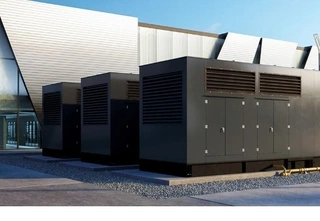
Requirements for Hospital Backup Generators
- May 21, 2026
Related Articles from China Manufacturers

Requirements for Assembling Technologies of Valves
- Feb 10, 2015
Requirements for Die Casting Design
- Nov 24, 2015


Requirements for Machining Round Screw Die
- May 30, 2016

Requirements for the Quality of Seamless Steel Pipes
- Apr 16, 2022

Requirements for Large-diameter Welded Flange
- Jan 02, 2016
Related Products Mentioned in the Article

Supplier Website
Source: https://www.chinageneratorsets.com/news/requirements-for-hospital-backup-generators.html