
Difference: Control Valves vs. On-Off Valves
On this page
Control valves and on-off valves serve distinct purposes in fluid control systems, each offering unique functionalities tailored to specific applications. This article explores their differences, typical uses, and considerations for selecting the right valve type for various industrial and commercial scenarios.
What is Control Valves
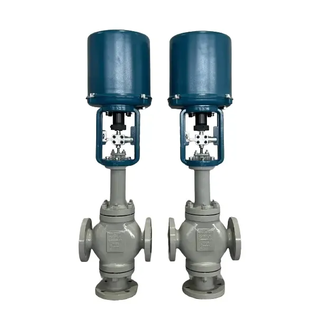
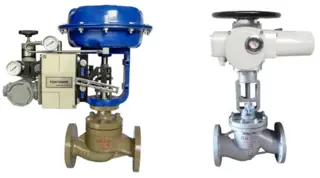
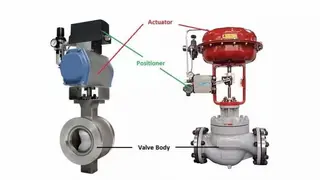
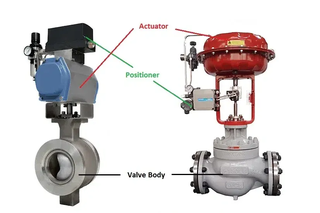
Control valves are designed to regulate the flow, pressure, temperature, or liquid level within a system. Unlike on-off valves, which operate in a fully open or fully closed position, control valves can modulate the flow rate to maintain precise control over process variables. They achieve this through actuators that adjust the valve position based on signals from sensors or controllers.What is On-Off Valves
On-off valves, as the name suggests, are binary in operation—they are either fully open to allow maximum flow or fully closed to stop flow entirely. These valves are primarily used for isolating sections of a pipeline or system, allowing maintenance, repairs, or emergency shutdowns. On-off valves are simpler in design compared to control valves, typically requiring manual or automated actuation for operation.Uses for Each
Control Valves
Ideal for applications requiring precise regulation of flow rate, pressure, temperature, or liquid level. Common uses include:Process Control
Adjusting flow rates in chemical processing, water treatment, and manufacturing.HVAC Systems
Regulating heating, cooling, and ventilation systems to maintain comfort and energy efficiency.Power Generation
Controlling steam or water flow in turbines and boilers.On-Off Valves
Suited for situations where flow control is less critical and the primary requirement is to start or stop flow:Isolation
Shutting off sections of pipelines for maintenance or emergency purposes.Safety Systems
Providing fail-safe shut-off in case of system malfunctions or emergencies.Utilities
Controlling water supply in municipal systems and managing fuel flow in industrial boilers.Discover How to Use Different Valves
Selecting the appropriate valve depends on the specific operational requirements and conditions of the application:1. Performance Requirements
Determine whether precise control or simple on-off operation is needed to achieve desired system performance.2. Environmental Conditions
Consider factors such as temperature, pressure, and media characteristics to ensure valve compatibility and reliability.3. Maintenance and Reliability
Evaluate ease of maintenance and the reliability of the valve design under operational conditions.4. Cost Considerations
Assess initial purchase cost, installation expenses, and long-term maintenance costs to optimize investment.Conclusion
In conclusion, understanding the distinctions between control valves and on-off valves is crucial for effectively managing fluid control systems in various industries. Control valves provide precise regulation of process variables, enhancing efficiency and product quality, while on-off valves ensure safety, enable maintenance, and facilitate emergency shutdowns. By selecting the appropriate valve type based on operational requirements and environmental factors, industries can optimize system performance, improve reliability, and achieve operational goals effectively.Send your message to this supplier
Related Articles from the Supplier

Related Articles from China Manufacturers

Related Products Mentioned in the Article

Supplier Website
Source: https://china-control-valves.com/news/difference-control-valves-vs-on-off-valves.html