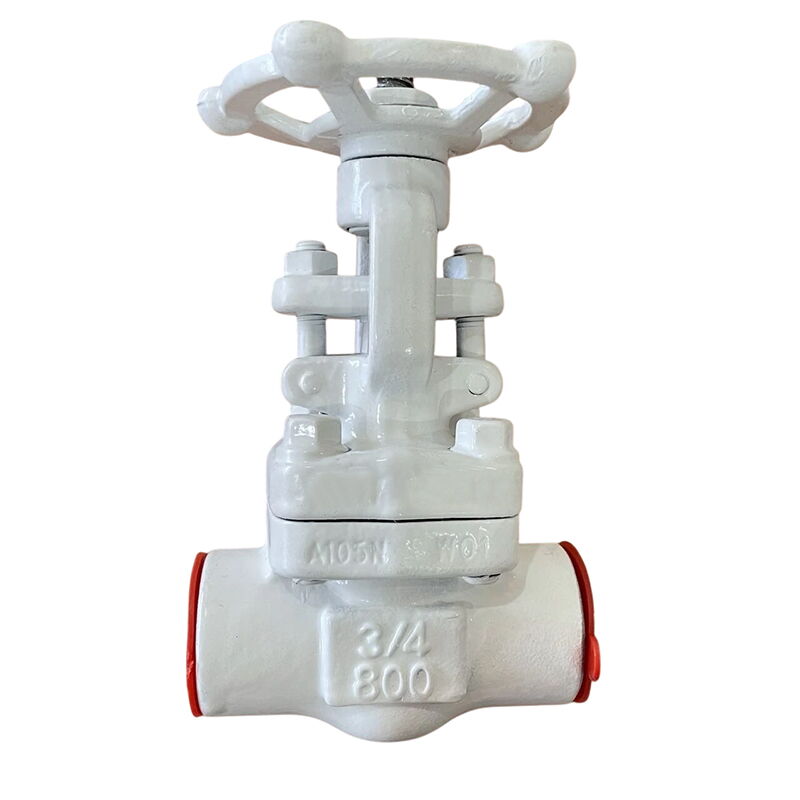
Rising Stem Gate Valves, API 602, A105N, 3/4 Inch, CL800, SW
Key Specifications / Features
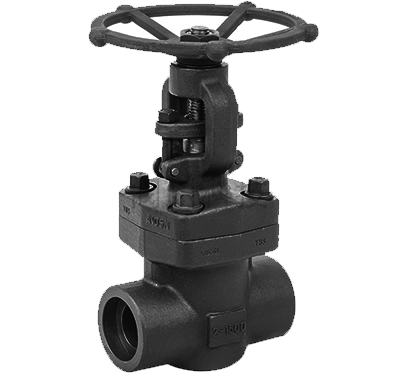
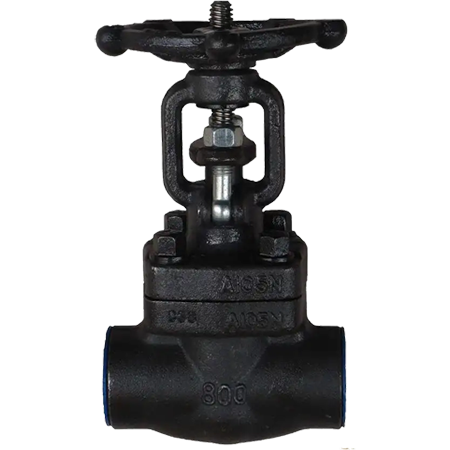
The Low-E Gate Valve is a high-quality rising stem gate valve designed for demanding industrial applications. Manufactured to stringent API 602 and ASTM A105N standards, this forged carbon steel valve features a robust 3/4-inch diameter and a Class 800 LB pressure rating, ensuring exceptional durability and reliability. Equipped with a handwheel for easy operation and featuring socket weld (SW) ends for secure connections, this valve is ideal for critical systems requiring precise control and long-term performance.
Detail Information
Product Name: ASTM A105N Gate Valve, Rising Stem
Design Standard: API 602
Body Material: ASTM A105N
Size: 3/4 Inch, DN20
Pressure: Class 800 LB, PN130
Operation: Handwheel
End Connection: SW Ends
Face to Face Standard: MFG
Test & Inspection Standard: API 598
Certificates: TA-Luft, ISO 15848-1, API 622, ect
Product Range
Body Materials: ASTM A105, A105N, ASTM A182 F304/F304L, F316/F316L, F11, F22, F91, A350 LF2, etc
Gasket & Packing Material: Graphite/PTFE
Size Range: 1/2-2 Inch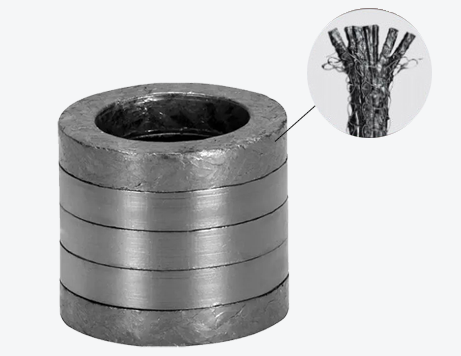
End Connection: SW, BW, Flanged, NPT
Pressure Range: Class 150-2500 LB
Temperature Range: -29°C to 425°C
Medium: Water, Steam, Gas, etc.
The packing used in forged valves is the M800 series graphite packing,
with a graphite carbon content exceeding 99% and a sulfur content below 50 PPM.
The dynamic leakage rate, as tested according to API 622, is less than 12 PPM.
The static leakage rate is below 6 PPM.
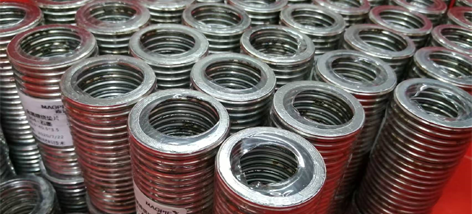
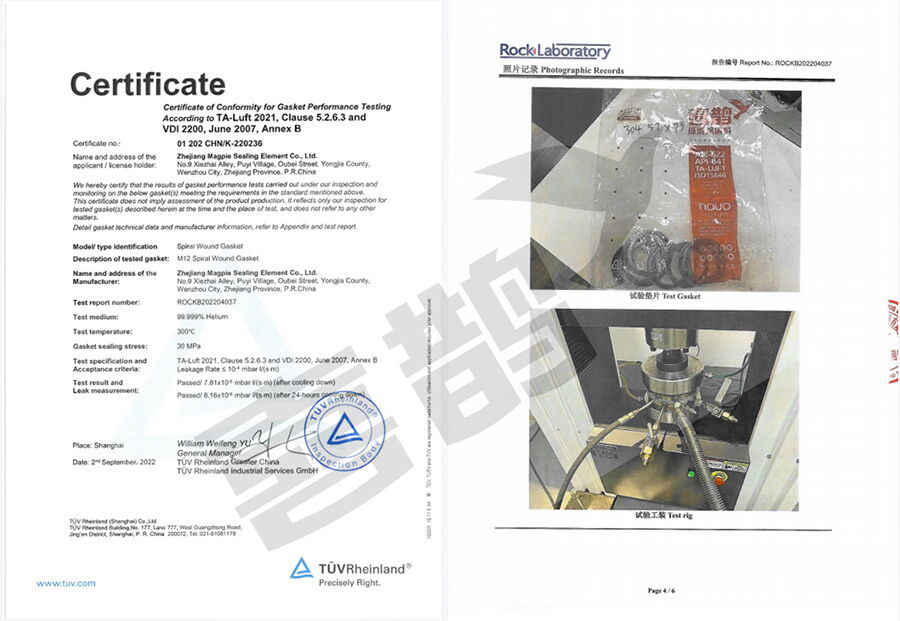
All the gaskets used are low-emission gaskets certified by TÜV Rheinland TA-LUFT.
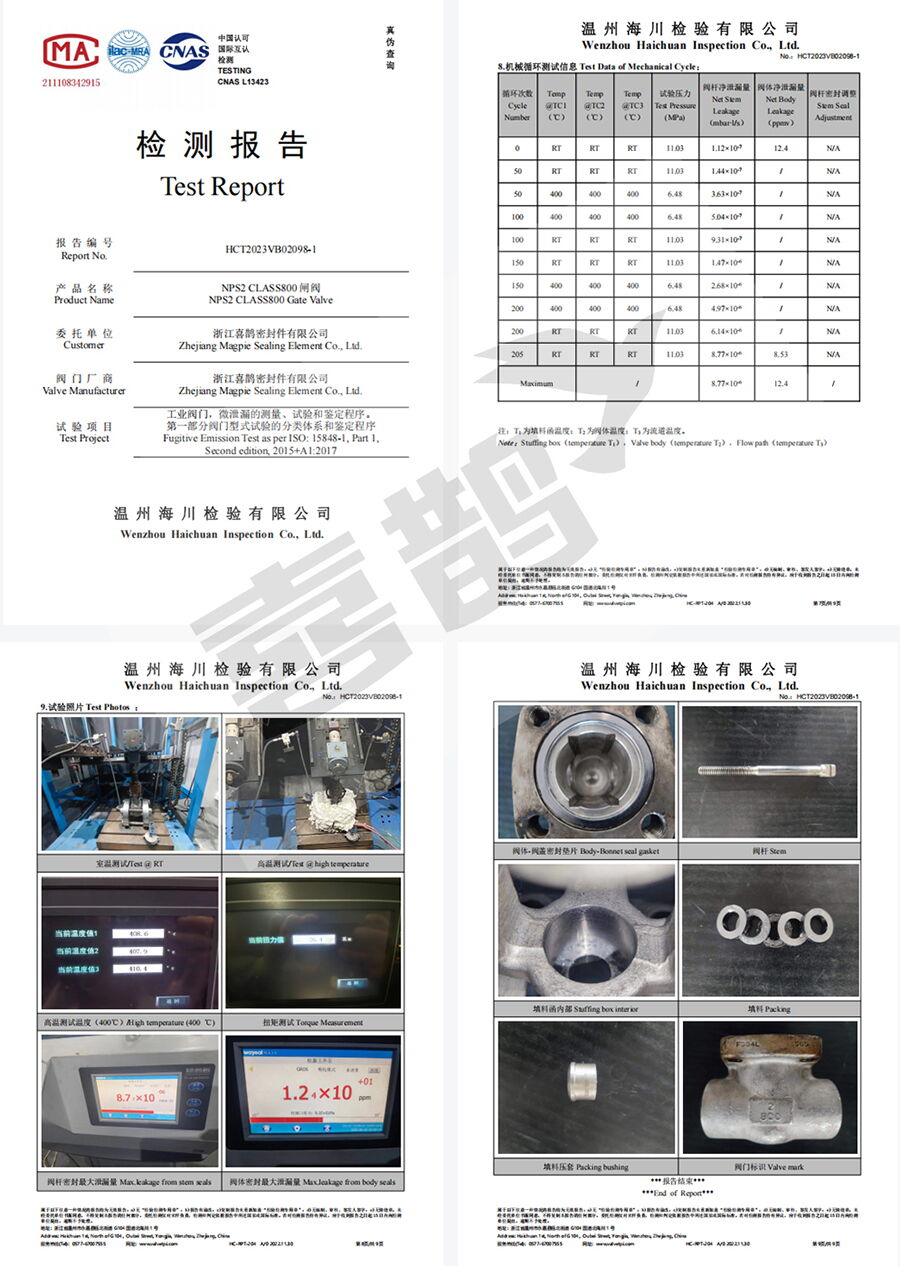
Type Test Report for 2-Inch Gate Valve
According to ISO 15848-1 at 400°C
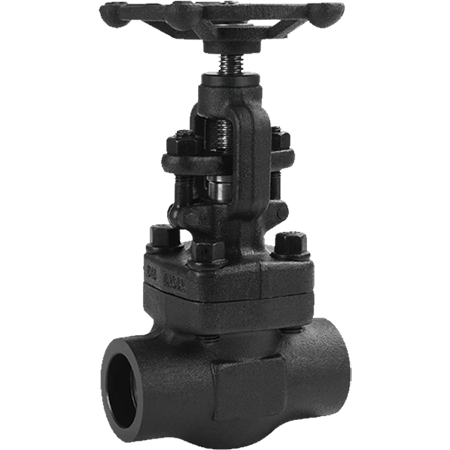
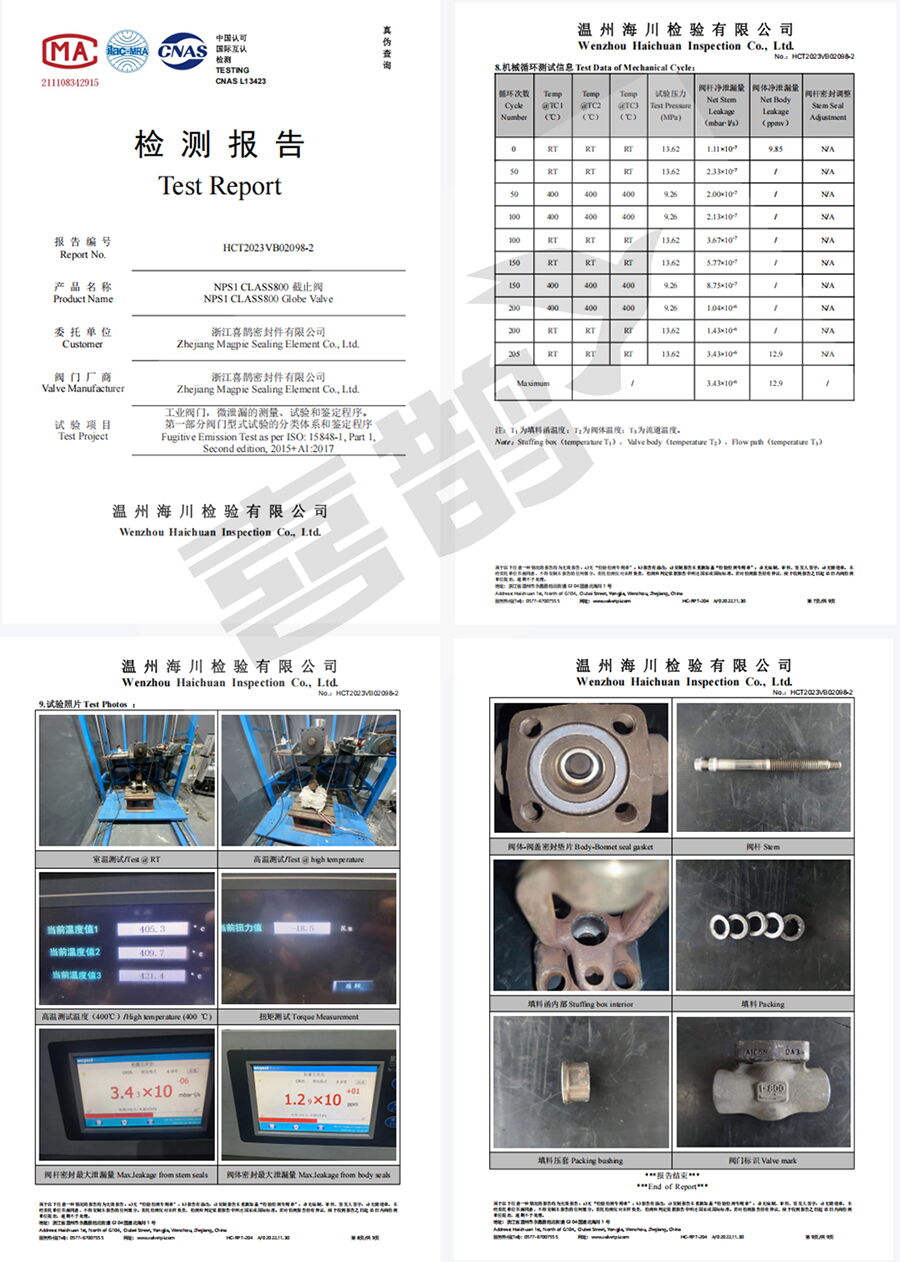
Type Test Report for 1-Inch Globe Valve
According to ISO 15848-1 at 400°C
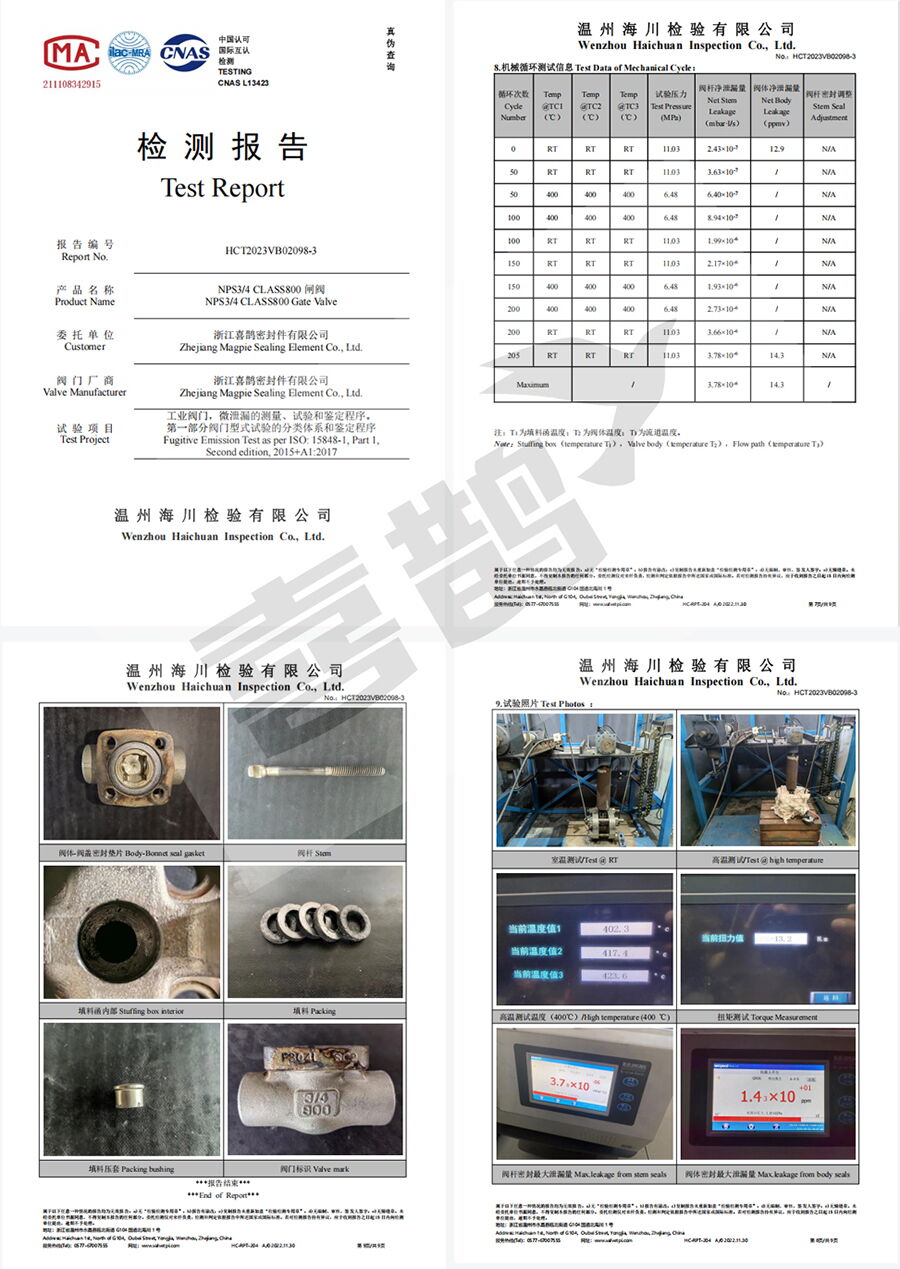
Type Test Report for 3/4-Inch Gate Valve
According to ISO 15848-1 at 400°C
The 0.5-inch forged steel gate valve in accordance with API 602 is tested for an ISO 15848-2 Class A leakage rate below 50 PPMV, using the M600 model low emission packing.
The 1-inch forged steel gate valve, in accordance with API 602, is tested for an ISO 15848-2 Class A leakage rate of less than 50 PPMV, using the M600 model low-emission packing.
The 1.5-inch forged steel globe valve, in accordance with API 602, is tested for an ISO 15848-2 Class A leakage rate of less than 50 PPMV, using the M800 model low-emission packing.
The API 624 test for a 2-inch forged steel gate valve in accordance with API 602 uses the M600 model low-emission packing.
Supplier Information
Zhejiang Magpie Sealing Technology Co., Ltd.
Verified Supplier
Certifications:
