
Choosing The Right Cryogenic Butterfly Valve For Low-Temperature Pipelines
Introduction
Cryogenic processing plays a vital role in many modern industries, including liquefied natural gas (LNG), industrial gases, petrochemical production, aerospace engineering, pharmaceutical manufacturing, and food preservation. These industries rely on equipment capable of operating safely and efficiently under extremely low temperatures. Among the essential components used in cryogenic systems, the cryogenic butterfly valve is one of the most important flow-control devices.
A cryogenic butterfly valve is specifically engineered to manage fluids at ultra-low temperatures, often ranging from –40°C to –196°C. Unlike conventional butterfly valves, cryogenic models are designed with specialized materials, extended bonnets, advanced sealing systems, and carefully engineered structures that maintain performance under severe thermal conditions. These valves provide reliable shutoff, efficient flow regulation, reduced operating torque, and compact installation advantages in demanding cryogenic environments.
As global demand for LNG, hydrogen energy, and industrial gas transportation continues to rise, cryogenic butterfly valves are becoming increasingly important in pipeline infrastructure and low-temperature storage systems worldwide.
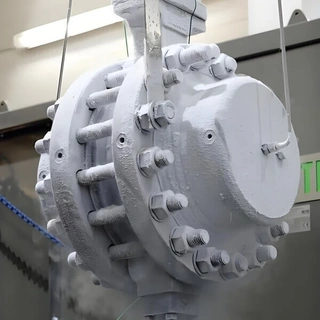
What Is a Cryogenic Butterfly Valve?
A cryogenic butterfly valve is a quarter-turn rotary valve designed to isolate or regulate the flow of cryogenic fluids such as liquid nitrogen, liquid oxygen, liquid argon, liquid hydrogen, and LNG. The valve operates through the rotation of a disc mounted on a shaft. When the disc rotates parallel to the flow direction, fluid passes through the valve. When rotated perpendicular to the flow, the valve closes and seals the pipeline.
Cryogenic butterfly valves differ from standard butterfly valves because they are engineered to handle extremely low temperatures without losing sealing capability, mechanical strength, or operational reliability.
Typical cryogenic temperature ranges include:
- LNG: approximately –162°C
- Liquid nitrogen: approximately –196°C
- Liquid oxygen: approximately –183°C
- Liquid hydrogen: approximately –253°C
Under these conditions, ordinary valve materials may become brittle, seals may fail, and thermal contraction can affect valve performance. Cryogenic butterfly valves solve these challenges through advanced engineering designs and carefully selected materials.
Working Principle of Cryogenic Butterfly Valves
The operating mechanism of a cryogenic butterfly valve is relatively simple but highly effective. The valve consists mainly of the following components:
- Valve body
- Disc
- Stem or shaft
- Seat
- Bonnet
- Actuator
When the actuator rotates the stem by 90 degrees, the disc moves between the open and closed positions. The valve can also be partially opened for throttling applications.
The extended bonnet design is one of the defining features of cryogenic valves. It separates the packing and stem sealing area from the cryogenic fluid, helping maintain higher temperatures around the packing material and reducing the risk of leakage caused by freezing.
Because butterfly valves offer a streamlined flow path, they are ideal for large-diameter cryogenic pipelines where pressure drop and space limitations are critical concerns.
Key Features of Cryogenic Butterfly Valves
Excellent Low-Temperature Resistance
Cryogenic butterfly valves are manufactured using materials that retain toughness and ductility at extremely low temperatures. This prevents cracking, deformation, and structural failure during operation.
Lightweight and Compact Structure
Compared with gate valves or globe valves of the same size, butterfly valves are significantly lighter and more compact. This reduces installation costs and simplifies maintenance in cryogenic systems.
Low Operating Torque
The quarter-turn operation and optimized disc design reduce torque requirements, making the valves suitable for automated systems and remote control applications.
Reliable Sealing Performance
Advanced sealing systems ensure minimal leakage even under severe cryogenic conditions. Tight shutoff is especially important when handling expensive or hazardous cryogenic fluids.
Fast Opening and Closing
Butterfly valves can quickly open or close with a simple 90-degree rotation, improving operational efficiency in emergency shutdown systems and process automation.
Long Service Life
Properly designed cryogenic butterfly valves offer long-term durability and stable operation even under repeated thermal cycling.
Material Selection for Cryogenic Applications
Material selection is one of the most critical aspects of cryogenic butterfly valve manufacturing. At ultra-low temperatures, many materials lose impact strength and become brittle.
Stainless Steel Materials
Austenitic stainless steels are widely used because they maintain excellent toughness at cryogenic temperatures.
Common materials include:
- ASTM A351 CF8
- ASTM A351 CF8M
- 304 stainless steel
- 304L stainless steel
- 316 stainless steel
- 316L stainless steel
These materials provide:
- High corrosion resistance
- Excellent low-temperature toughness
- Good weldability
- Reliable mechanical properties
Low-Temperature Carbon Steel
For moderately low-temperature applications, specially treated low-temperature carbon steels may be used. These materials undergo impact testing to ensure adequate toughness.
Stem Materials
Valve stems are typically made from high-strength stainless steels that resist thermal contraction and maintain dimensional stability.
Seat Materials
Seat materials must remain flexible and reliable at low temperatures. Common options include:
- PTFE
- Reinforced PTFE
- PCTFE
- Metal seats
- Specialized cryogenic elastomers
Sealing Technology in Cryogenic Butterfly Valves
Leakage prevention is extremely important in cryogenic systems because escaping cryogenic fluids can create safety hazards, product loss, and environmental risks.
Soft-Seated Designs
Soft-seated cryogenic butterfly valves use low-temperature-resistant materials that provide bubble-tight shutoff. These valves are suitable for many LNG and industrial gas applications.
Advantages include:
- Excellent sealing performance
- Lower operating torque
- Reduced maintenance requirements
Metal-Seated Designs
Metal-seated cryogenic butterfly valves are designed for severe service conditions involving:
- High pressure
- Thermal cycling
- Abrasive media
- Frequent operation
Metal seats provide exceptional durability and resistance to wear.
Extended Bonnet Construction
Extended bonnets are critical for cryogenic service. The extended neck creates thermal separation between the cryogenic media and the stem packing area.
Benefits include:
- Reduced frost formation
- Improved packing life
- Better sealing reliability
- Enhanced operator safety
Structural Design Considerations for Cryogenic Butterfly Valves
Cryogenic butterfly valves require specialized structural features to accommodate thermal contraction and expansion.
Thermal Expansion Compensation
Components contract differently under cryogenic conditions. Engineers must carefully calculate clearances between the disc and body to prevent binding or seizure.
Double Offset and Triple Offset Designs
Advanced butterfly valve designs improve sealing performance and reduce friction.
Double Offset Butterfly Valves
Double offset valves use two shaft offsets that reduce seat wear and operating torque.
Triple Offset Butterfly Valves
Triple offset valves add a conical sealing geometry that eliminates rubbing between sealing surfaces.
Advantages include:
- Zero leakage performance
- Longer service life
- Reduced friction
- High-temperature and low-temperature compatibility
Anti-Blowout Stem Design
Cryogenic valves often incorporate anti-blowout stems for enhanced safety and pressure retention.
Fire-Safe Construction
Some cryogenic butterfly valves include fire-safe features that maintain sealing integrity during emergency fire conditions.
Types of Cryogenic Butterfly Valves
Wafer-Type Cryogenic Butterfly Valves
Wafer valves fit between pipeline flanges using bolts that pass through the entire valve body.
Features include:
- Compact size
- Lightweight design
- Cost-effective installation
These valves are commonly used in space-limited installations.
Lug-Type Cryogenic Butterfly Valves
Lug-style valves include threaded inserts or lugs that allow independent pipeline connections.
Advantages include:
- Easier maintenance
- Pipeline dead-end capability
- Improved structural strength
Double-Flanged Cryogenic Butterfly Valves
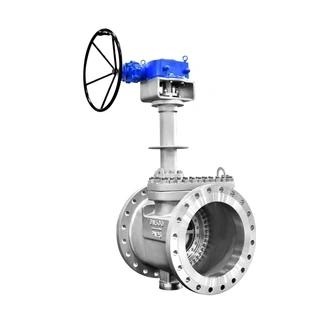
Double-flanged valves provide maximum stability and are preferred for large-diameter pipelines or high-pressure systems.
Manual Cryogenic Butterfly Valves
Manual valves are operated using hand levers or gear operators.
Pneumatic Cryogenic Butterfly Valves
Pneumatic actuators provide rapid automated operation and are widely used in industrial process systems.
Electric Cryogenic Butterfly Valves
Electric actuators enable remote control and integration into automated control systems.
Applications of Cryogenic Butterfly Valves
Cryogenic butterfly valves are widely used in industries requiring safe handling of low-temperature fluids.
LNG Industry
Liquefied natural gas systems are among the largest users of cryogenic butterfly valves.
Applications include:
- LNG storage tanks
- LNG loading systems
- LNG transportation pipelines
- Regasification terminals
These valves help control LNG flow while ensuring operational safety and energy efficiency.
Industrial Gas Industry
Cryogenic butterfly valves are essential for handling:
- Liquid oxygen
- Liquid nitrogen
- Liquid argon
- Carbon dioxide
They are commonly used in gas separation plants and distribution systems.
Petrochemical Industry
Cryogenic processes in petrochemical plants often require valves capable of handling low-temperature hydrocarbons and chemical media.
Aerospace Industry
Rocket fuel systems use cryogenic fluids such as liquid hydrogen and liquid oxygen. Butterfly valves provide lightweight and reliable flow control.
Pharmaceutical Industry
Cryogenic technology is used in medical gas storage and pharmaceutical processing applications.
Food Processing Industry
Cryogenic freezing systems use liquid nitrogen or carbon dioxide for rapid food preservation.
Advantages of Cryogenic Butterfly Valves
Space-Saving Design
Butterfly valves require less installation space compared with gate or globe valves.
Cost Efficiency
The lightweight structure reduces material costs, transportation expenses, and installation requirements.
Reduced Pressure Drop
Optimized disc designs minimize turbulence and pressure loss.
Automation Compatibility
Cryogenic butterfly valves can easily integrate with automated control systems.
Easy Maintenance
Simple structures allow easier inspection and maintenance procedures.
High Reliability
Properly engineered valves maintain excellent performance under repeated cryogenic cycles.
Challenges in Cryogenic Valve Operation
Despite their many advantages, cryogenic butterfly valves face several operational challenges.
Thermal Contraction
Extreme temperature changes can affect dimensional stability and sealing performance.
Ice Formation
Moisture condensation may freeze around external components, potentially affecting operation.
Material Brittleness
Improper material selection can lead to cracking or structural failure.
Leakage Risks
Cryogenic fluids can escape through damaged seals or improperly designed packing systems.
Cavitation and Flashing
Rapid pressure changes may create cavitation or vaporization issues in some applications.
Manufacturers address these challenges through advanced engineering, strict testing, and precise manufacturing processes.
Testing and Standards for Cryogenic Butterfly Valves
Cryogenic butterfly valves must comply with international standards to ensure safety and performance.
Common Standards
- API Standards
- API 609 for butterfly valves
- API 598 for valve inspection and testing
- API 6D for pipeline valves
BS Standards
- BS 6364 for cryogenic valve testing
- ISO Standards
- ISO 28921 for isolation valves in low-temperature applications
Cryogenic Testing
Valves undergo rigorous testing procedures, including:
- Cryogenic temperature testing
- Leakage testing
- Pressure testing
- Operational torque testing
- Seat performance testing
Testing verifies valve reliability under actual service conditions.
Installation Considerations for Cryogenic Butterfly Valves
Proper installation is essential for safe cryogenic valve operation.
Correct Orientation
Valves should be installed according to manufacturer recommendations to ensure proper drainage and sealing.
Thermal Insulation
Cryogenic pipelines often require insulation to reduce heat transfer and improve efficiency.
Support Systems
Pipelines must include adequate supports to accommodate thermal movement.
Cleanliness Requirements
Cryogenic systems require extremely clean internal surfaces to prevent contamination and operational problems.
Maintenance of Cryogenic Butterfly Valves
Regular maintenance improves service life and operational reliability.
Inspection Procedures
Routine inspections should check:
- External leakage
- Stem operation
- Actuator performance
- Frost accumulation
- Seat condition
Lubrication
Only cryogenic-compatible lubricants should be used.
Packing Replacement
Packing materials may eventually wear and require replacement.
Seal Inspection
Seals should be periodically inspected for damage or hardening.
Preventive Maintenance Programs
Scheduled maintenance helps identify issues before major failures occur.
Innovations in Cryogenic Butterfly Valve Technology
Modern cryogenic valve technology continues to evolve.
Advanced Sealing Materials
New sealing compounds improve low-temperature flexibility and durability.
Smart Valve Technology
Digital actuators and intelligent monitoring systems enable:
- Remote diagnostics
- Predictive maintenance
- Automated control
- Real-time performance monitoring
Improved Flow Dynamics
Advanced computational fluid dynamics (CFD) analysis helps optimize disc geometry and reduce turbulence.
Hydrogen Applications
The growth of hydrogen energy infrastructure is driving demand for specialized cryogenic butterfly valves capable of handling liquid hydrogen safely.
How to Choose the Right Cryogenic Butterfly Valve
Selecting the correct valve depends on several factors.
Operating Temperature
The valve materials and seals must match the system temperature range.
Pressure Rating
Ensure the valve pressure class meets system requirements.
Media Compatibility
Different cryogenic fluids require specific material compatibility.
Valve Size
Valve sizing should consider flow rate and pressure drop requirements.
Actuation Method
Choose between manual, pneumatic, electric, or hydraulic operation based on application needs.
Sealing Requirements
Critical applications may require zero-leakage performance.
Industry Standards
Always verify compliance with applicable international standards and project specifications.
Future Market Trends
The cryogenic valve market is expected to grow significantly in the coming years.
Key growth drivers include:
- Expanding LNG infrastructure
- Increasing industrial gas demand
- Hydrogen energy development
- Growth in clean energy projects
- Rising global energy consumption
Manufacturers are investing heavily in advanced materials, automation technologies, and environmentally friendly solutions to meet future industry demands.
Conclusion
Cryogenic butterfly valves are essential components in modern low-temperature processing systems. Their lightweight structure, compact design, reliable sealing performance, and excellent flow characteristics make them ideal for handling cryogenic fluids across numerous industries.
As LNG, hydrogen energy, industrial gas production, and cryogenic technologies continue expanding worldwide, demand for high-performance cryogenic butterfly valves will continue to increase. Advanced materials, innovative sealing technologies, and intelligent automation systems are further improving valve safety, efficiency, and reliability.
Selecting the right cryogenic butterfly valve requires careful consideration of operating temperature, pressure, material compatibility, sealing requirements, and industry standards. With proper design, installation, and maintenance, these valves provide long-term dependable service in some of the world's most demanding operating environments.
As a leading butterfly valve manufacturer in China, manufacturers continue to develop advanced cryogenic butterfly valve solutions that meet strict international standards while delivering reliable performance for global industrial applications.
Send your message to this supplier
Related Articles from the Supplier
Related Articles from China Manufacturers



Related Products Mentioned in the Article

Supplier Website
Source: https://www.vervovalve.com/news/choosing-the-right-cryogenic-butterfly-valve-for-low-temperature-pipelines.html