
Choosing the Right Cast Steel Swing Check Valve for Critical Flow Control Systems
Introduction
In the global industrial valve market, cast steel swing check valves have emerged as indispensable components in fluid handling systems across oil & gas, power generation, water treatment, petrochemicals, marine, and many other sectors. Designed to prevent backflow and protect piping systems, these valves deliver reliability where safety, service continuity, and efficiency are non-negotiable.
Today's industry is seeing a combination of aging infrastructure, evolving safety standards, and technological innovation — all driving demand and rapid development for swing check valve solutions. This article delves deep into why cast steel swing check valves matter, current market drivers, advances in design and materials, and what buyers and operators need to know in 2026.
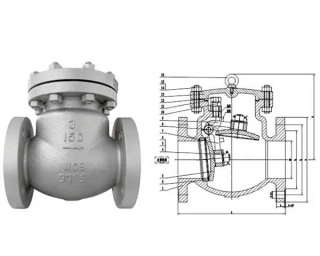
What Are Cast Steel Swing Check Valves?
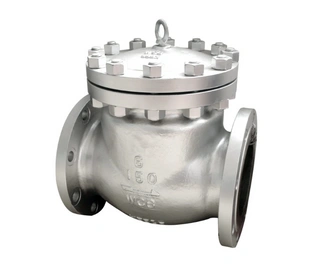
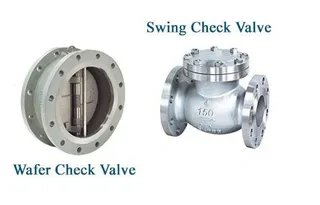
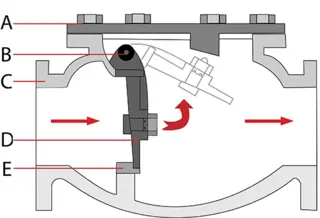
Cast steel swing check valves are non-return valves that allow fluid to flow in one direction and automatically prevent backflow. Their key characteristic is a hinged disc (or clapper) that swings open when fluid moves forward and closes under reverse flow due to gravity or back pressure.
Unlike lift or ball check valves, swing check valves are ideal for horizontal piping systems and larger diameters. They are typically made of carbon steel or alloy cast steel, offering excellent strength and durability in high-pressure, high-temperature environments.
Why Cast Steel Matters
The choice of cast steel — including grades such as A216 WCB, ASTM A351 CF8M, or similar alloy variations — is pivotal to performance:
Mechanical Strength: Cast steel offers robust impact and tensile strength suitable for pressurized systems.
Temperature Tolerance: These valves perform reliably in both high and moderately low temperatures — critical for steam, thermal power, and heavy industrial applications.
Weldability & Fabrication: Cast steel can be effectively welded and machined for customization.
Cost-Effectiveness: Compared to forged alloys in similar applications, cast steel provides a balance of performance and affordability.
Core Functionality and Design Principles
Swing check valves operate on simple yet elegant principles:
- Inlet Flow Opens Disc: Fluid pressure from the inlet side swings the disc away from the seat.
- Reverse Flow Closes Disc: A drop in inlet pressure or backflow forces the disc back onto the seat, preventing reverse movement.
- Minimal Pressure Drop: The disc swings fully out of the flow path, reducing resistance and pressure loss.
- Hinge Mechanism: The hinge pin must be rugged and corrosion-resistant for long service life.
Design variations — such as top-guided or center-guided discs — enhance stability and sealing under different flow conditions.
Global Market Trends (2025–2026)
The industrial valve market continues to expand, driven by infrastructure upgrades, energy transitions, and stricter safety regulations. Several key trends impacting the cast steel swing check valve segment include:
1. Aging Infrastructure Replacement
In regions like North America and Europe, decades-old pipelines are being upgraded to meet modern safety and efficiency standards. Swing check valves are often among the first components replaced due to wear from corrosion, water hammer, or mechanical fatigue.
2. Energy Sector Growth
Oil & gas production, refinery expansions, LNG terminals, and petrochemical plants require high-performance check valves capable of handling variable pressures, temperatures, and fluid characteristics. Cast steel remains a preferred material in these harsh environments.
3. Power Generation Demands
With continued reliance on conventional power plants alongside renewables, steam and gas turbines need reliable non-return valves to protect feedwater pumps, condensate lines, and boiler systems.
4. Water & Wastewater Infrastructure Investments
Municipal and industrial water systems depend on check valves to prevent contamination, manage pump cycles, and reduce energy waste — boosting demand for reliable cast steel options.
5. Retrofit and Automation Trends
Retrofits increasingly include digital monitoring and condition-based maintenance, enabling predictive failure analysis of check valves using sensors that detect vibration, position, or pressure anomalies.
Applications Across Industries
The versatility of cast steel swing check valves means they serve a wide range of industries:
Oil & Gas
- Protect compressors and pumps in upstream and mid-stream pipelines.
- Prevent backflow in refining process units.
- Manage flow in high-pressure gas transmission lines.
Power Generation
- Feedwater lines in thermal power plants.
- Steam turbines and condenser discharge systems.
- Cooling water circuits in nuclear and fossil fuel plants.
Petrochemical & Chemical Processing
- Corrosive and high-temperature fluids.
- Process loops requiring tight non-return sealing.
- Large line sizes where low pressure drop is essential.
Marine & Shipbuilding
- Ballast and bilge systems.
- Cooling water intake and discharge.
- Fuel and lubricating oil circuits.
Water & Wastewater
- Pump discharge protection.
- Irrigation systems.
- Municipal distribution networks.
Advantages and Limitations
Key Advantages
Simple Operation & Low Maintenance
With few moving parts, swing check valves are easy to maintain and inspect.
Low Flow Resistance
The full opening design minimizes pressure drop and energy loss.
Wide Size Range
Available from small diameters to large flanged sizes used in utility and industrial plants.
Cost-Effective Solutions
Cast steel construction balances performance and price, especially for larger valves.
Limitations
Not Ideal for Vertical Downward Flow
Gravity-dependent closure may not work reliably in certain vertical piping orientations unless specifically engineered.
Potential for Water Hammer
Rapid closure without damping can induce pressure surges — requiring careful system design.
Size & Weight
Large cast steel valves are heavy and may need structural support or actuator packages.
Materials and Corrosion Considerations
Cast steel check valves are selected not just by size and pressure rating, but also by fluid type and corrosion possibility. Material selection must consider:
Carbon Steel vs. Alloy Steel: Carbon steel is common for general service, while alloy steels provide superior resistance in corrosive environments.
Internal Coatings & Linings: Hard alloys, epoxy paints, or stainless steel seats improve wear resistance.
Sealing Materials: Seat and disc seal selection (metal vs. soft seat) impacts leakage performance and operational life.
Temperature Extremes: High temperature fluids (e.g., steam) require materials with enough creep resistance.
Standards and Certifications
Reliable performance and safety compliance require adherence to international valve standards:
- API 600 & API 594 — Valve manufacturing and check valve design criteria.
- ASME B16.34 & B16.5 — Valve dimensions, flanges, pressure-temperature ratings.
- ISO 9001 Quality Certification — Ensuring manufacturing quality systems.
- NACE MR0175 / ISO 15156 — Material requirements for sour service (H2S environments).
- CE, PED Compliance — Required for valves used in European markets.
Buyers should always verify that suppliers can provide material traceability, test certificates (e.g., EN10204 3.1), and third-party inspection where applicable.
Design Enhancements and Technological Advances
While swing check valves are fundamentally simple, recent technological enhancements have improved performance and reliability:
1. Guided Disc Designs
Center-guided or dual-guided discs reduce vibration and noise while ensuring smoother closure, reducing shock and wear.
2. Cushioning & Damping Features
Hydraulic dampers or spring-assisted elements can mitigate water-hammer effects on closure.
3. Wear-Resistant Seats
Advanced sealing surfaces — such as stellite®, carbide overlays, or hardened stainless steel — extend service life in abrasive flow conditions.
4. Condition Monitoring Integration
Smart sensors can now track disc movement, detect reverse flow occurrences, and alert operators to maintenance needs before failures occur.
5. CFD-Assisted Flow Optimization
Computational Fluid Dynamics (CFD) modeling enables designers to minimize turbulence and pressure loss within the valve body.
Installation and Maintenance Best Practices
To ensure long service life and reliability, proper installation and regular maintenance are critical:
Installation Tips
Ensure correct flow direction labeling and alignment.
Provide adequate straight pipe length upstream and downstream for stable flow.
Use proper gasket and flange torque procedures to prevent leaks.
For larger valves, ensure structural supports to handle weight.
Maintenance Checklist
Regularly inspect for disc seating wear and signs of leakage.
Check hinge pin lubrication and corrosion.
Validate that discs are free-swinging and not seized.
Use non-invasive diagnostics for valves with sensors or position indicators.
Case Study: Industrial Steam Distribution
In a thermal power plant, cast steel swing check valves installed on steam lines were found to significantly reduce maintenance cost and downtime compared to other check valve types. The plant reported:
Zero protracted pump trips due to backflow since installation.
Reduction in pressure transients after adding guided disc designs.
Improved service life exceeding initial projections by 27%.
Operators attributed success to proper material selection, adherence to standards, and periodic condition monitoring.
Procurement Considerations
When sourcing cast steel swing check valves, buyers should assess:
1. Valve Sizing & Pressure Ratings
Ensure correct sizing based on flow capacity, velocity limits, and system pressure.
2. Manufacturer Quality & Documentation
Ask for:
- Material test reports
- NDT (ultrasonic/radiographic) results
- Traceability records
- Performance test certificates
3. Compliance with Standards
Verify adherence to applicable API, ASME, ISO, and regional directives.
4. After-Sales Support
Strong technical support reduces commissioning issues and long-term operational risk.
Challenges in the Industry
Despite steady demand, several challenges persist:
Supply Chain Constraints
Global casting capacity and lead times can fluctuate, especially for larger sizes and alloy steels.
Skilled Workforce Shortage
Valve inspection, installation, and maintenance require trained personnel — often in short supply.
Environmental Regulations
Stricter emissions and waste disposal standards increase manufacturer compliance costs.
Digitalization Gap
Many facilities still operate legacy systems without valves instrumented for remote monitoring — a barrier to predictive maintenance.
Future Outlook
Looking ahead, the cast steel swing check valve segment is poised for balanced growth shaped by:
1. Digital Integration
More valves will incorporate IoT sensors and analytics for condition-based maintenance.
2. Material Innovation
Advanced alloys and coatings will expand usability in corrosive and high-temperature services.
3. Sustainable Manufacturing
Energy-efficient foundry processes and eco-friendly materials are gaining priority amid ESG initiatives.
4. Energy Transition Projects
As hydrogen, LNG, and renewable energy infrastructure grows, specialized check valves will be needed to handle new fluid properties and operating conditions.
Conclusion
Cast steel swing check valves remain essential components in fluid control systems worldwide. Their proven reliability, adaptability across industries, and evolving design enhancements ensure they continue playing a central role in modern infrastructure projects.
From oil & gas to power generation, from water networks to heavy industrial plants, choosing the right cast steel swing check valve — backed by certified quality, proper installation, and smart maintenance — is a strategic decision that contributes to safety, efficiency, and sustainability.
Send your message to this supplier
Related Articles from the Supplier

Related Articles from China Manufacturers





Related Products Mentioned in the Article

Supplier Website
Source: https://www.mfrsvalve.com/news/choosing-the-right-cast-steel-swing-check-valve-for-critical-flow-control-systems.html