
Causes and Solutions of Rusting in High-Pressure Ball Valves
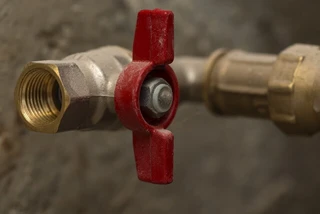
High-pressure ball valves, designed to rotate around the axis of the valve stem, are crucial components in hydraulic machinery, hydraulic switches, natural gas systems, and other applications. Emerging in the 1950s, they have rapidly evolved into a primary valve type with advancements in production processes and product structures over the past 40 years.
I. Reasons for Rusting of High-pressure Ball Valves The susceptibility of high-pressure ball valves to rusting varies with the environment. While valves placed in relatively dry conditions remain pristine over time, those submerged in salt-rich seawater can rust within days. This susceptibility underscores the importance of environmental factors in corrosion resistance. Additionally, the protective chromium oxide film on the valve surface, responsible for its rust resistance, can be compromised by environmental factors, leading to rust formation when oxygen atoms penetrate and iron ions are released.
Several factors can damage the protective film, leading to rust formation. These include electrochemical reactions between the film and metal elements or dust particles, facilitated by humid air as a medium, and direct contact of the film with corrosive liquids such as strong acids or alkalis. Therefore, maintaining cleanliness of valve surfaces through regular cleaning is essential to prevent rusting.
II. Solutions to Rusting of High-pressure Ball Valves To ensure the permanent brightness of metal surfaces and prevent corrosion:
1. Regular cleaning of stainless steel surfaces to remove deposits and eliminate external factors that may trigger corrosion.2. Use of 316 stainless steel, known for its resistance to seawater corrosion.
3. Selection of stainless steel pipes with chemical compositions meeting national standards, such as the 304 material requirements, to prevent rusting caused by non-compliant materials. Construction should be conducted carefully to prevent scratches and contamination, with particular attention paid to cleaning surfaces after removing protective films. Specialized stainless steel tools should be used for cleaning to prevent iron debris from adhering. Caution should be exercised to prevent contact with highly corrosive substances, and immediate washing should be done if contact occurs. After construction, surfaces should be washed with neutral detergents and water to remove cement, lime, and other debris.
In conclusion, proactive measures such as proper material selection, regular cleaning, and adherence to construction best practices are essential for preventing the rusting of high-pressure ball valves and ensuring their long-term performance.
Send your message to this supplier
Related Articles from the Supplier

Related Articles from China Manufacturers

Causes and Solutions of Water Hammer Issues
- Dec 01, 2023

Causes and Solutions of Ball Valve Internal Leakage
- Mar 27, 2019
Causes and Solutions of PTFE Gasket Failure
- Nov 12, 2025

Causes and Solutions of Diesel Generator Oil Burning
- Apr 29, 2024
Causes of Scaling of Castings and Their Solutions
- Feb 24, 2021
Related Products Mentioned in the Article

Supplier Website
Source: https://www.valvesforged.com/news/causes-and-solutions-of-rusting-in-high-pressure-ball-valves.html