
How Cast Steel Gate Valves Enhance Safety and Efficiency in Pipelines
Introduction
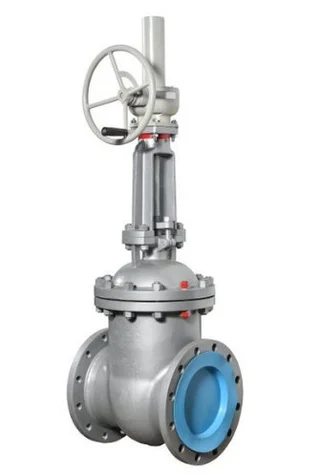
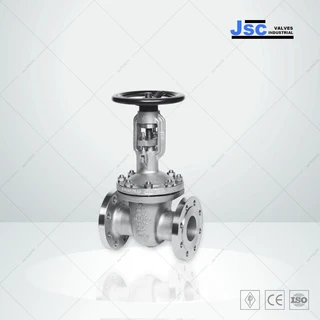
Cast steel gate valves are among the most widely used flow control devices in industrial piping systems. Known for their strength, durability, and ability to handle high pressures and temperatures, these valves play a vital role in industries such as oil and gas, petrochemical processing, water treatment, power generation, marine engineering, and general industrial services. Their primary function is to start or stop fluid flow by raising or lowering a gate inside the valve body, providing either full flow or complete shutoff.
Unlike throttling valves, gate valves are designed for on/off service. When fully open, the gate is lifted entirely out of the flow path, resulting in minimal pressure drop and unobstructed flow. The use of cast steel as the main construction material enhances mechanical strength, corrosion resistance, and long-term reliability, making cast steel gate valves suitable for demanding operating environments.
This article provides a comprehensive overview of cast steel gate valves, including how they are manufactured, their key design features, advantages and limitations, material considerations, applications, and best practices for preventive maintenance.
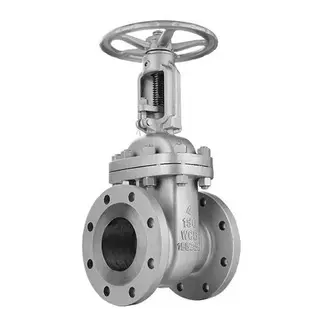
What Is a Cast Steel Gate Valve?
A cast steel gate valve is a type of linear motion valve that controls fluid flow by moving a wedge-shaped or parallel gate perpendicular to the flow direction. The valve body and major pressure-containing components are produced through steel casting processes, allowing for complex shapes, high structural integrity, and excellent performance under extreme conditions.
Cast steel gate valves are commonly manufactured in accordance with international standards such as API, ANSI, ASME, DIN, and BS, ensuring compatibility with global piping systems. They are available in a wide range of sizes, pressure classes, and materials to suit various industrial requirements.
How Cast Steel Gate Valves Are Made
The manufacturing of cast steel gate valves involves a series of precise and carefully controlled processes to ensure product quality, safety, and durability.
Mold Preparation
The process begins with creating a mold that defines the shape of the valve body and other major components. Molds are typically made from sand or metal and are designed to accommodate the complex geometry required for valve housings, flanges, and internal flow paths.
Metal Melting and Casting
High-quality steel, such as carbon steel, alloy steel, or stainless steel, is melted in a furnace at controlled temperatures. Once the molten metal reaches the desired composition and temperature, it is poured into the prepared molds. The casting process allows the metal to fill every cavity of the mold, forming a dense and uniform structure.
Cooling and Solidification
After pouring, the molten steel is allowed to cool and solidify. Controlled cooling is essential to prevent defects such as cracks, shrinkage, or internal stresses. Once solidified, the rough castings are removed from the molds.
Cleaning and Heat Treatment
The cast components undergo cleaning processes such as shot blasting or sandblasting to remove residual sand, scale, and impurities. Heat treatment is then applied to improve mechanical properties, enhance strength, relieve internal stress, and optimize microstructure.
Machining and Finishing
Precision machining is performed on critical surfaces, including flanges, seats, stem threads, and bonnet connections. Tight tolerances are maintained to ensure proper sealing and smooth operation. Polishing and surface finishing further improve performance and appearance.
Each valve component receives specific attention:
Valve body is cleaned, machined, and inspected for structural integrity.
Valve seat may be fitted with metal or elastic sealing materials to ensure tight shutoff.
Stem is machined to precise dimensions for smooth linear motion and minimal friction.
Finally, the valve is assembled, tested, and inspected to ensure it meets design and performance specifications.
Key Design Features of Cast Steel Gate Valves
Cast steel gate valves incorporate several design features that enhance sealing performance, durability, and ease of operation.
Elastic Seat Sealing Technology
Traditional gate valves may suffer from leakage or corrosion after extended service. Modern cast steel gate valves often utilize elastic seat sealing technology, combining metal strength with rubber or elastomer sealing materials.
The elastic disc design allows slight deformation under pressure, creating a compensation effect that improves sealing performance. This technology ensures:
Light and smooth valve operation
Reliable and tight sealing
Extended service life
Reduced wear on sealing surfaces
Flat Bottom Seat Design
A flat bottom seat prevents debris, sediment, or impurities from accumulating in the valve cavity. This design reduces the risk of incomplete sealing and enhances reliability, particularly in water supply, sewage, and slurry applications.
Precision Casting and Machining
Advanced casting techniques and precision machining ensure high dimensional accuracy, improved surface finish, and excellent sealing performance. This minimizes leakage and enhances operational stability.
Robust Bonnet and Stem Structure
Cast steel gate valves feature strong bonnet designs, typically bolted or pressure-sealed, capable of withstanding high internal pressures. The stem is engineered for high strength and corrosion resistance, ensuring smooth operation even under heavy loads.
Materials Used in Cast Steel Gate Valves
Material selection is a critical factor in determining valve performance and longevity.
Carbon Steel: Offers excellent strength and pressure resistance, suitable for oil, gas, and steam applications.
Alloy Steel: Provides enhanced temperature resistance and mechanical properties for high-temperature or high-pressure systems.
Stainless Steel: Offers superior corrosion resistance, ideal for chemical processing, food, pharmaceutical, and marine environments.
By selecting the appropriate material, cast steel gate valves can perform reliably in harsh and demanding conditions.
Advantages of Cast Steel Gate Valves
Cast steel gate valves offer numerous benefits that make them a preferred choice across industries.
Low Fluid Resistance
When fully open, the gate is completely lifted out of the flow path, resulting in minimal pressure loss.
Excellent Shutoff Capability
The sealing design allows for tight closure, making them ideal for isolation service.
Bidirectional Flow
The flow direction of the medium is not restricted, and the valve does not disturb the flow or reduce pressure.
Wide Application Range
Suitable for various media, including water, steam, oil, gas, and chemicals.
High Pressure and Temperature Resistance
Cast steel construction enables use in high-pressure and high-temperature systems.
Simple Flow Path Design
The straight-through flow path reduces turbulence and wear.
Ease of Installation
Despite their robust structure, cast steel gate valves are relatively easy to install and integrate into pipelines.
Disadvantages of Cast Steel Gate Valves
Despite their advantages, cast steel gate valves also have some limitations that should be considered.
Sealing Surface Wear
Over time, sealing surfaces may experience erosion or wear, especially in abrasive or corrosive environments.
Large Installation Space
Gate valves require sufficient vertical space for opening and closing, which may be a constraint in compact installations.
Slower Operation
Due to their linear motion, gate valves operate more slowly compared to quarter-turn valves.
Complex Internal Structure
Compared to simpler valve types, maintenance and repair can be more involved.
Understanding these limitations helps engineers select the appropriate valve type for each application.
Industrial Applications of Cast Steel Gate Valves
Thanks to their robust design and versatile performance, cast steel gate valves are widely used in numerous industries:
Water Supply and Sewage Systems
Oil and Gas Pipelines
Petrochemical and Chemical Processing Plants
Power Generation Facilities
Marine and Offshore Engineering
Metallurgy and Mining
Energy Transmission Systems
Food and Pharmaceutical Industries
In these applications, cast steel gate valves function primarily as shutoff devices, ensuring safe and reliable flow isolation.
Preventive Maintenance of Cast Steel Gate Valves
Preventive maintenance is essential for extending valve service life and avoiding unexpected failures.
Regular Inspections
Conduct routine visual inspections to check for:
External leakage
Corrosion or rust
Stem alignment issues
Bonnet or flange integrity
Early detection of issues helps prevent costly downtime.
Proper Lubrication
Keep the stem, threads, and other moving components well-lubricated to:
Reduce friction
Prevent seizing
Ensure smooth operation
Use lubricants suitable for the operating temperature and environment.
Cleaning and Debris Removal
Regularly clean the valve body and surrounding area to remove dirt, scale, or deposits. Internal cleaning may be required in systems handling dirty or sediment-laden media.
Functional Testing
Periodically operate and test the valve to ensure it opens and closes fully. Pressure and flow testing can verify sealing integrity and operational reliability.
Seal and Packing Maintenance
Inspect packing and seals for wear or leakage. Replace worn components promptly to maintain performance and safety.
Future Trends in Cast Steel Gate Valve Technology
As industrial requirements evolve, cast steel gate valves continue to improve through:
Advanced casting and machining technologies
Enhanced sealing materials for longer service life
Smart valve monitoring and automation integration
Improved corrosion-resistant alloys
Design optimization for reduced weight and easier maintenance
These advancements ensure cast steel gate valves remain relevant in modern and future industrial systems.
Conclusion
Cast steel gate valves are essential components in industrial flow control systems, offering reliable shutoff, low flow resistance, and excellent durability. Their robust construction, advanced sealing technologies, and wide material options make them suitable for a broad range of applications, from water treatment to high-pressure oil and gas pipelines.
By understanding how cast steel gate valves are made, their design features, advantages, limitations, and maintenance requirements, engineers and operators can make informed decisions that enhance system safety, efficiency, and longevity. As industries continue to demand higher performance and reliability, cast steel gate valves will remain a cornerstone of industrial valve technology.
Send your message to this supplier
Related Articles from the Supplier

How to Install and Maintain Ball Valves?
- Sep 02, 2020
How to Choose Electric Ball Valves? - Part One
- Oct 28, 2020
How to Select Flange Gate Valves?
- Nov 03, 2020
How to Choose Electric Ball Valves? - Part Two
- Nov 11, 2020

How to Deal with the Valve's Corrosion?
- Apr 19, 2021
Related Articles from China Manufacturers
How to Lay Drip Irrigation Pipes in Farm Irrigation
- May 13, 2020
How to Repair And Maintain Drip Irrigation System?
- Oct 14, 2020
Related Products Mentioned in the Article

Supplier Website
Source: https://www.mfrsvalve.com/news/how-cast-steel-gate-valves-enhance-safety-and-efficiency-in-pipelines.html