
Guide to Choosing Inconel Valves: Why and How
In modern industrial sectors such as petrochemical processing, power generation, and offshore engineering, equipment is frequently required to operate under extremely demanding conditions. These environments are characterized by high temperatures, high pressures, and the presence of aggressive, corrosive media. Under such circumstances, conventional metal valves, typically made from carbon steel or standard stainless steel, are prone to rapid degradation, including corrosion, deformation, sealing failure, and even catastrophic breakdown. These failures not only increase maintenance costs but also pose serious safety and environmental risks.
To address these challenges, high-performance alloy solutions have been developed, among which Inconel valves stand out as a reliable and robust choice. Due to their exceptional resistance to heat, corrosion, and mechanical stress, Inconel valves have become indispensable in critical applications where reliability and longevity are essential. This comprehensive guide explores the material characteristics, advantages, applications, limitations, and selection criteria of Inconel valves, offering practical insights for engineers, procurement specialists, and system designers.
What Is an Inconel Valve?
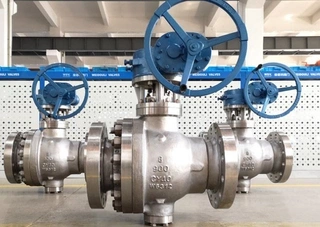
An Inconel valve is an industrial valve manufactured from Inconel alloys—a family of nickel-based superalloys known for their outstanding performance in extreme environments. These alloys primarily consist of nickel (Ni) and chromium (Cr), with additional alloying elements such as molybdenum (Mo), niobium (Nb), and titanium (Ti), which enhance specific properties such as strength, corrosion resistance, and thermal stability.
Common grades of Inconel used in valve manufacturing include:
- Inconel 600: Known for excellent oxidation resistance and good mechanical properties at elevated temperatures.
- Inconel 625: Offers superior corrosion resistance, especially in chloride-containing and acidic environments.
- Inconel 718: Provides exceptional strength and creep resistance at high temperatures, making it suitable for extreme thermal conditions.
Initially developed for aerospace applications—particularly for components exposed to high heat and stress in jet engines—Inconel alloys have gradually been adopted in a wide range of industrial sectors. Today, Inconel valves are widely used in critical systems where standard materials fail to meet performance requirements.
Compared with traditional valve materials, Inconel valves maintain stable mechanical strength, dimensional integrity, and sealing performance under extreme operating conditions. Although they come at a higher cost, their reliability and durability make them a cost-effective choice in the long run, particularly for mission-critical systems.
Core Performance Advantages of Inconel Valves
The superior performance of Inconel valves can be attributed to three primary characteristics: excellent corrosion resistance, outstanding high-temperature stability, and reliable mechanical properties.
1. Exceptional Corrosion Resistance
Corrosion is one of the most common causes of valve failure in industrial systems. In industries such as petrochemicals, refining, and marine engineering, process media often contain highly corrosive substances, including strong acids, chlorides, hydrogen sulfide (H₂S), and other reactive chemicals. Under such conditions, conventional stainless steels are susceptible to localized corrosion mechanisms such as pitting, crevice corrosion, stress corrosion cracking (SCC), and intergranular attack.
Inconel alloys, with their high nickel and chromium content, form a stable and dense oxide layer on the surface. This passive film acts as a protective barrier, significantly reducing the rate of corrosion and preventing further degradation of the material. Among various grades, Inconel 625 is particularly well-known for its excellent resistance to seawater corrosion, acidic environments, and alkaline solutions.
This superior corrosion resistance makes Inconel valves ideal for offshore oil and gas platforms, chemical processing plants, and environments where long-term exposure to aggressive media is unavoidable. By minimizing corrosion-related failures, these valves enhance system reliability and reduce maintenance frequency.
2. Outstanding High-Temperature Stability
High-temperature environments present unique challenges for valve materials. As temperature increases, most metals experience a reduction in mechanical strength, accelerated oxidation, and creep deformation—gradual, permanent deformation under sustained stress.
Inconel alloys are specifically engineered to withstand such conditions. Inconel valves can operate reliably at temperatures exceeding 1000°C, maintaining their structural integrity and functional performance. Their high-temperature stability is characterized by:
- Excellent oxidation resistance: Prevents the formation of flaky or porous oxide layers that can compromise material integrity.
- Strong creep resistance: Ensures dimensional stability under long-term exposure to high stress and temperature.
- High strength retention: Maintains load-bearing capacity even in extreme thermal environments.
These properties make Inconel valves highly suitable for applications such as boiler superheaters, high-temperature furnaces, gas turbines, and thermal processing systems.
3. Reliable Mechanical Properties
In addition to their resistance to corrosion and heat, Inconel valves offer excellent mechanical performance, which is critical for ensuring safe and reliable operation under demanding conditions.
Key mechanical advantages include:
- High tensile strength: Enables the valve to withstand high internal pressures.
- Good toughness: Allows resistance to impact and shock loading.
- Superior fatigue resistance: Ideal for systems with frequent pressure fluctuations or cyclic operation.
In applications such as nuclear power plants and high-pressure steam systems, valves must endure prolonged exposure to high stress while maintaining sealing performance. Inconel valves excel in such environments, providing long-term durability and reliability.
Applications of Inconel Valves
Due to their unique combination of properties, Inconel valves are widely used in several key industries:
1. Petrochemical Industry
Inconel valves are extensively used in refining and chemical processing units, including catalytic cracking systems, hydroprocessing reactors, and sour gas treatment facilities. These processes often involve high temperatures, high pressures, and corrosive substances such as sulfur compounds and organic acids.
In sulfur-rich oil and gas fields, hydrogen sulfide can cause severe sulfide stress cracking in conventional materials. Inconel valves are commonly used in wellhead equipment, gathering pipelines, and refining units to mitigate this risk and ensure safe operation.
2. Power Generation Industry
In power plants, especially thermal and nuclear facilities, valves play a critical role in controlling steam and water flow. Inconel valves are used in boiler feedwater systems, steam control systems, and bypass circuits, where they must withstand frequent temperature fluctuations and high-pressure conditions.
In supercritical and ultra-supercritical power units, where steam temperatures exceed 600°C and pressures surpass 25 MPa, Inconel valves provide the necessary reliability for continuous operation. They are also increasingly used in renewable energy applications such as solar thermal power plants and waste-to-energy facilities.
3. Marine and Offshore Oil & Gas
Marine environments are highly corrosive due to the presence of saltwater and chlorides. Inconel valves, particularly those made from Inconel 625, offer excellent resistance to seawater corrosion and stress corrosion cracking.
They are widely used in offshore platforms, subsea wellheads, high-pressure manifolds, seawater lift systems, and fire protection systems. In deepwater applications, where pressure increases significantly with depth, the high strength and corrosion resistance of Inconel alloys make them the preferred choice for subsea equipment.
4. Aerospace and Defense
Inconel alloys were originally developed for aerospace applications, where materials must withstand extreme temperatures and mechanical stresses. In the valve industry, they are used in engine test systems, propulsion systems, and high-pressure piping in defense equipment.
These applications demand exceptional performance in terms of strength-to-weight ratio, thermal stability, and reliability—requirements that Inconel valves are well-equipped to meet.
Limitations of Inconel Valves
Despite their many advantages, Inconel valves also have certain limitations that must be considered:
1. High Cost
Inconel alloys are significantly more expensive than conventional materials due to the high cost of raw materials and complex manufacturing processes. As a result, Inconel valves are typically used only in critical applications where performance cannot be compromised.
However, when evaluated over the entire lifecycle, their durability and low maintenance requirements often offset the initial investment.
2. Manufacturing Complexity
The physical properties of Inconel—such as high melting point, low thermal conductivity, and work-hardening tendency—make it difficult to process. Welding requires precise control to avoid defects, and machining involves high tool wear and cutting resistance.
These challenges lead to longer production times and require specialized expertise, limiting the number of qualified manufacturers.
3. Limited Availability
Compared to standard valves, Inconel valves are less widely available and often need to be custom-designed for specific applications. This can result in longer lead times and difficulties in sourcing replacement parts.
Key Considerations for Selecting Inconel Valves
Selecting the appropriate Inconel valve involves a comprehensive assessment of several factors:
1. Operating Conditions
- Temperature: Choose the appropriate alloy grade based on operating temperature.
- Pressure: Ensure compliance with pressure-temperature ratings.
- Media: Consider corrosion characteristics and select materials accordingly.
2. Valve Type and Design
Different valve types serve different purposes:
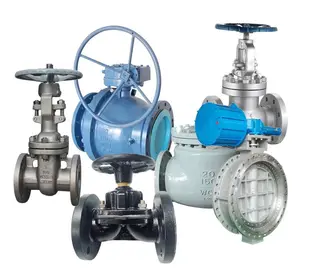
- Gate valves for isolation
- Globe valves for flow regulation
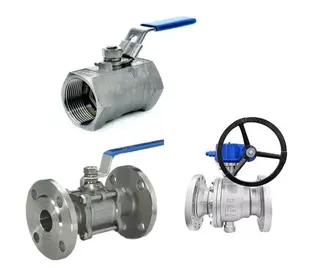
- Ball valves for quick shut-off
- Check valves for backflow prevention
- Safety valves for pressure protection
Design considerations include whether to use full Inconel construction or a combination of materials to optimize cost and performance.
3. Standards and Certification
Ensure compliance with industry standards such as API and ASME. Verify documentation, including material certificates and testing reports.
Comparison with Other Advanced Alloys
Alternative materials include titanium alloys, Monel, and Hastelloy:
- Titanium: Excellent corrosion resistance but limited high-temperature performance
- Monel: Good for specific chemical environments but less suitable for high temperatures
- Hastelloy: Superior in strong oxidizing acids but often more expensive
Inconel offers the best balance of high-temperature strength, corrosion resistance, and mechanical reliability.
Conclusion
Inconel valves represent a high-performance solution for the most demanding industrial applications. Their exceptional resistance to corrosion, high-temperature stability, and mechanical strength make them indispensable in industries such as petrochemicals, power generation, and offshore engineering.
Although they require higher initial investment and involve complex manufacturing processes, their long service life and reliability significantly reduce operational risks and maintenance costs. By carefully evaluating operating conditions, selecting the appropriate alloy grade, and working with experienced manufacturers, users can fully leverage the advantages of Inconel valves.
As industries continue to push the boundaries of temperature, pressure, and environmental challenges, the importance of Inconel valves will only continue to grow, ensuring safe and efficient operation in the most extreme conditions.
Send your message to this supplier
Related Articles from the Supplier
Guide to Choosing Inconel Valves: Why and How
- Apr 11, 2026
Guide to Key Steps of Safety Valve Adjustment
- Oct 09, 2025
Guide to Valve Performance and Selection
- Oct 10, 2025
Guide to Valve Electric Actuator Selection
- Nov 05, 2025
Guide to Diaphragm Pump Material Selection
- Dec 19, 2025
Guide to Industrial Valve Pressure Testing
- Jan 14, 2026
Related Articles from China Manufacturers





Related Products Mentioned in the Article

Zhejiang Kosen Valve Co., Ltd.
- https://www.kosenvalve.com/
- Business Type: Industry & Trading, Manufacturer,
Supplier Website
Source: https://www.kosenvalve.com/media-hub/guide-to-choosing-inconel-valves-why-and-how.html