
Generator Rental vs. Generator Purchase: How to Choose
The demand for reliable power is continuously increasing. Electricity is no longer a luxury, but a fundamental requirement to ensure the smooth operation of businesses, households, and various activities. Whether hosting a large outdoor wedding, managing a construction site, or preparing for potential power outages at home, a reliable generator set can make a significant difference. However, when faced with the critical question of "rent or buy", many users often feel confused. This article takes a practical perspective to help you make a wise decision between renting or buying a generator set based on your specific situation.
Generator Rental: A Flexible & Worry-Free Temporary Solution
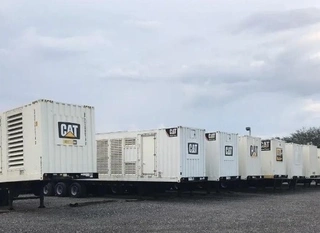
Generator rental is like borrowing peace of mind for the time you need it. You don’t have to worry about equipment ownership, storage, or long-term maintenance—you simply pay the rental fee when needed. The typical process is: you provide your power requirements, the supplier recommends a suitable generator (usually diesel-powered), and is responsible for transportation, installation, and even on-site management. After the project is completed, the equipment is retrieved.
1. Core Advantages of Generator Rental
- Low Upfront Cost: Rental avoids the large capital expenditure required to purchase equipment. For businesses or individuals with limited funds, this means capital can be allocated to other more important areas rather than being tied up in a one-time equipment investment.
- High Flexibility: Power demand for temporary projects often changes. Through rental, you can quickly increase or decrease equipment capacity without being limited by fixed specifications. For example, when a construction phase expands or a power outage lasts longer, additional generators can be deployed immediately, and returned after the project ends, without the need to consider storage.
- No Maintenance Required: Maintenance is one of the biggest hidden costs of generator ownership. Under the rental model, these responsibilities are handled by the supplier, including routine servicing, monitoring, and on-site support. If any issues arise, technicians will respond promptly, reducing downtime and risk. These services typically include regular inspections and oil changes, 24/7 emergency response, and replacement equipment when necessary, allowing project managers to focus on core operations rather than equipment failures.
- Strong Emergency Capability: In emergency situations, such as power outages or natural disasters, rental companies can usually deploy equipment quickly to ensure that your business or event is not affected. For example, when power restoration teams are repairing storm-damaged infrastructure, they may only need a 500 kW portable generator for two weeks—in such cases, purchasing equipment is clearly not economical.
2. Suitable Scenarios for Generator Rental
Generator rental is typically suitable for short-term, infrequent, or unpredictable usage scenarios. Typical rental customers include construction companies rotating across different job sites, event operators requiring temporary backup power, disaster recovery teams needing rapid deployment, and manufacturing enterprises undergoing short-term shutdowns or upgrades.
Specific applications include: hosting weddings, concerts, and exhibitions; seasonal construction projects across multiple sites; temporary emergency power during outages; real-world testing before purchasing; and disaster recovery operations requiring rapid power deployment.
Generator Purchase: A Long-Term and Stable Investment Choice
Purchasing a generator is like owning a long-term asset that is available at any time, but it also means taking responsibility for maintenance, storage, and operational management. If your business relies on backup power over the long term, purchasing is a wise investment that can avoid continuous rental costs. However, if the equipment remains idle for long periods, it may become a costly and underutilized burden.
1. Core Advantages of Purchasing a Generator
- Always Available: When the equipment belongs to you, it is always on standby. You do not need to wait for rental allocation or compete with other customers during peak demand periods, which is especially important during hurricane seasons or sudden outages. Therefore, most large facilities invest in permanent standby generators to ensure power continuity.
- Long-Term Cost Advantage: Although the upfront investment is high, the unit operating cost is usually lower with continuous use. A high-quality commercial generator can operate for 20,000 to 30,000 hours with proper maintenance. Over time, the initial investment can be recovered. If rental costs over 18 to 24 months exceed the purchase price (plus maintenance costs), purchasing becomes more economical.
- Full Control: Ownership provides complete control and customization capability. Users can select fuel type, control systems, and enclosure configurations based on actual operating requirements to ensure compatibility with existing power systems. Professional suppliers often design customized generator systems that include load banks, automatic transfer switches, and remote monitoring, enabling seamless integration of backup power.
- Asset Value: Generators, as fixed assets, can be depreciated, offering potential tax advantages. At the same time, well-maintained equipment also has resale value, allowing part of the investment to be recovered during upgrades.
2. Suitable Scenarios for Generator Purchase
Purchasing a generator is a long-term investment that provides reliability, independence, and control, and is suitable for organizations requiring continuous or repeated power support throughout the year.
Typical buyers include: manufacturing plants and refineries operating 24/7; hospitals and data centers requiring permanent backup power; facilities located in remote or off-grid areas; and construction companies with long-term multi-project operations.
Detailed Comparison of Key Decision Factors
After understanding the basic characteristics of rental and purchase, it is necessary to compare these two models across multiple dimensions to help you make a more precise decision.
1. Cost Comparison Analysis
From the perspective of upfront cost, rental has a clear advantage. It avoids the large capital expenditure required to purchase equipment, allowing users to obtain high-capacity industrial generators without significant investment. If power demand only lasts for a few weeks or months, rental helps maintain cash flow and avoids long-term depreciation. Many customers also take advantage of this when bidding for new projects, incorporating rental costs into quotations and flexibly adjusting power configurations as contract scope expands.
From the perspective of ongoing expenses, rental requires payment based on usage time, while purchase mainly involves maintenance, fuel, and storage costs. In terms of long-term cost, the longer the usage period, the higher the cumulative rental cost; whereas for purchased equipment, the longer it is used, the lower the unit cost.
Regarding the break-even point, generally, if rental costs within 18 to 24 months exceed the purchase price (including maintenance costs), purchasing is more economical.
2. Usage Duration and Frequency
Usage duration and frequency are key determining factors. Generally:
- Usage within 12 months is suitable for rental
- 1 to 2 years requires cost analysis
- More than 2 years or long-term use is more suitable for purchase
For example, a six-month highway construction project is suitable for rental, while a wastewater treatment plant operating continuously for five years can significantly reduce costs through purchase. Data centers may choose rental power during a two-year construction period and invest in customized permanent systems after completion.
3. Maintenance Responsibility Comparison
Under the rental model, maintenance is fully handled by the supplier. Maintenance is one of the biggest hidden costs of generator ownership, and under rental, these tasks, including routine servicing, monitoring, and on-site support, are managed by the provider. If issues occur, technicians respond promptly, reducing downtime and risk. This is especially valuable for managers handling multiple projects simultaneously.
Under the purchase model, you need to establish a systematic maintenance plan. Equipment ownership requires regular oil and filter changes, battery inspections, coolant checks, load testing every six months, and maintenance records to meet compliance and warranty requirements. Otherwise, equipment lifespan may be shortened, and downtime costs may increase significantly.
4. Flexibility and Availability Comparison
Rental performs exceptionally well in terms of flexibility. Power demand for temporary projects often changes, and rental allows rapid scaling of equipment capacity without being limited by fixed specifications. It is particularly suitable for industries with inherently temporary power needs.
Purchase offers stronger assurance in terms of availability. Equipment ownership means continuous readiness without waiting for rental allocation or competing during peak demand. Rental excels in flexibility, while purchase ensures stable and reliable continuous power supply.
Recommendations for Different User Groups
- Event Organizers: Event organizers are generally better suited to rental due to flexibility. Weddings, exhibitions, and concerts have clear timelines, and equipment can be selected according to event scale and returned immediately afterward without concerns about storage or long-term maintenance.
- Construction Companies: The choice depends on specific conditions. If equipment needs to be flexibly deployed across different sites, renting 200–500 kW generators and returning them after project completion avoids idle assets and storage costs. For companies with long-term multi-project operations, purchasing can reduce overall costs and ensure equipment availability. In practice, construction companies often rent 200–500 kW generators for flexible deployment across projects and return them afterward, avoiding idle equipment and storage costs.
- Industrial Manufacturing Enterprises: Manufacturing plants and refineries operating 24/7 require power continuity. Purchasing standby generators ensures continuous operation during outages and is far more cost-effective than repeated rental in the long run. Additionally, generator systems can be customized based on specific plant requirements. In practice, continuously operating industrial plants ensure uninterrupted operation during outages by purchasing standby generators, which is more economical over time than repeated rental.
- Residential Users: Households should decide based on outage frequency. If outages are infrequent and short, rental is more economical. If long outages occur frequently, purchasing a suitable home standby generator provides better protection.
- Data Centers: Data centers can adopt a hybrid strategy. They may rent temporary power during a two-year construction phase and invest in customized permanent systems after completion. In fact, many enterprises combine rental and purchase strategies—owning primary standby generators while renting additional units during peak seasons or special projects—reducing capital expenditure while improving operational resilience.
Often Overlooked Cost Factors
Before making a decision, in addition to visible rental or purchase costs, consider the following hidden costs:
1. Fuel Costs
Whether renting or purchasing, fuel is an ongoing expense. The fuel efficiency of diesel generators directly affects operating costs and should be carefully evaluated.
2. Transportation and Installation Costs
Rental often includes these in the fee, but confirmation is necessary for long-distance transport. Purchasing requires handling transportation, lifting, installation, and commissioning independently, and large equipment may require professional lifting services.
3. Downtime Losses
Equipment failure can lead to significant losses. Under rental, suppliers typically provide replacement units; under purchase, you must arrange backup solutions during repairs.
4. Storage Costs
Purchasing requires dedicated storage space, including protection from weather, security measures, and periodic operation.
5. Compliance and Environmental Requirements
With increasingly strict environmental regulations, generator emissions must meet local standards. Rental companies usually update equipment accordingly, while purchased units may require additional investment for upgrades.
Conclusion
There is no absolute right or wrong between generator rental and purchase—the key lies in what best suits your actual situation.
- Choose Rental if: Your project is short-term or demand is variable; you want to reduce upfront investment; you lack maintenance capability or storage space; and you need flexibility.
- Choose Purchase if: Your business cannot tolerate power outages; you require continuous and reliable power; usage is frequent and exceeds the break-even point; and you have maintenance capability and storage conditions.
- Adopt a Hybrid Strategy if: Many successful companies combine rental and purchase—owning core standby generators while renting additional units during peak demand or special projects—achieving the optimal balance between cost and reliability.
By thoroughly evaluating usage frequency, duration, budget, operational scale, and maintenance capability, you can make the most appropriate choice between generator rental and purchase, ensuring stable and reliable power for your business or daily life.
Send your message to this supplier
Related Articles from the Supplier
Generator Set Control Module Operation Guide
- Sep 03, 2024
Generator Container Configuration and Installation
- Oct 05, 2024
Generator Set Auto-Start and Full Automatic Control
- Dec 15, 2024
Related Articles from China Manufacturers
Generator Set Parts & Their Functions
- Mar 05, 2025
Common Diesel Generator Problems & How to Fix Them
- Mar 10, 2025
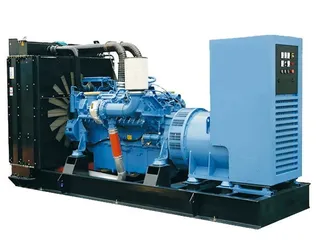
Related Products Mentioned in the Article

Supplier Website
Source: https://genset-generator-suppliers.com/news/generator-rental-vs-generator-purchase-how-to-choose.html