
Comparison Between Perkins and Cummins Diesel Generators
In today's industrial and commercial environment, a stable power supply is of critical importance. Diesel generators serve as essential equipment to ensure continuous operations and emergency backup power. Their performance, reliability, and cost-effectiveness directly influence operational efficiency. Among the many brands available, Perkins and Cummins stand out as two of the most trusted names in the industry, thanks to decades of technological development and exceptional manufacturing capabilities. This article provides a comprehensive comparison of Perkins and Cummins diesel generators from multiple perspectives, including brand history, core technologies, performance characteristics, and applicable scenarios, to help users make informed decisions based on their specific needs.
Brand Overview and Historical Background
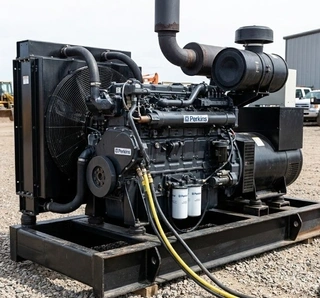
- Perkins: Perkins, a renowned diesel engine manufacturer based in the United Kingdom, was established in 1932 and has a history spanning over 90 years. As a subsidiary of Caterpillar Inc., Perkins inherits top-tier engineering quality and manufacturing standards. Over the decades, Perkins has focused on producing durable diesel generators known for their efficiency and reliability, becoming indispensable in heavy-duty operations across multiple industries. Perkins engines are primarily applied in power generation, agriculture, and material handling equipment. They perform exceptionally well in environments requiring low noise and high reliability, such as hospitals and data centers, consistently delivering stable power output. The company is committed to continuous innovation, launching new models designed for high-intensity applications to meet the diverse power needs of various industries.
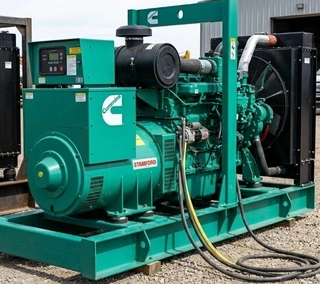
- Cummins: Cummins, founded in 1919 in the United States, is a globally recognized engine manufacturer with over a century of technological accumulation. Cummins is a leading diesel generator manufacturer worldwide, offering reliable power solutions for industrial and commercial use. Its engines are renowned for robustness and are capable of delivering dependable heavy-duty power for industries requiring continuous operation. Cummins' product line ranges from 2.8L to 95L engines, driving applications from light trucks to massive 5,500-horsepower mining machines. Known as the “King of the Road,” Cummins maintains a global service network across commercial vehicles and high-end construction markets. Cummins primarily focuses on stationary diesel generators designed for large-scale, heavy-duty applications and does not produce portable units.
Core Features of Perkins Generators
Perkins generators offer several notable advantages:
- High Fuel Efficiency: Under standard load conditions, Perkins engines generally achieve 5–10% higher fuel efficiency compared to Cummins. This advantage significantly lowers operational costs for long-duration applications.
- Low Noise Levels: Perkins engines operate smoothly and quietly, making them ideal for residential or noise-sensitive environments. Certain models feature soundproof enclosures, which are suitable for commercial buildings and telecommunication towers.
- Durability: Perkins generators balance durability and fuel economy, making them suitable for industries requiring continuous or backup power, such as material handling, agriculture, and construction. The 2000 series standby generators have a 20-year survival rate of 82%, and primary generators offer overhaul intervals of up to 28,000 hours.
- High Parts Interchangeability: With a parts interchangeability rate of up to 75%, Perkins generators reduce routine maintenance costs and ensure easy access to replacement components.
- Advanced Emission Control: Perkins incorporates advanced EGR + SCR emission systems, meeting strict environmental standards. Special dust protection allows air filters to last up to 800 hours, supporting operation in harsh environments.
Major Features of Cummins Generators
Cummins generators also offer a range of technical advantages:
- Powerful Output: Cummins engines are capable of handling intensive use and deliver high power output, suitable for high-demand applications such as hospitals and data centers. They provide high torque reserves and fast transient response, quickly adapting to load fluctuations.
- Advanced Technology: Equipped with the XPI ultra-high-pressure fuel injection system, Cummins engines ensure complete combustion across a wide range of speeds. Smart diagnostic systems and remote monitoring capabilities allow for efficient remote management of generators.
- Cold Start Capability: Cummins excels in cold start performance, easily starting at -15°C and supporting auxiliary systems that function in temperatures from -40°C to 55°C, making them suitable for extreme climates.
- Robust Structural Design: Cummins uses high-strength cast iron engine blocks and integrated steel pistons, reducing component count and potential failure points, enhancing overall reliability.
- Global Service Network: Cummins boasts an extensive global service network and high-quality OEM parts, simplifying maintenance and repair anywhere in the world.
Performance Comparison
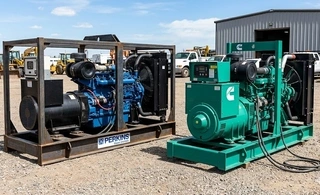
With the historical background and core characteristics of both brands established, we can now analyze their performance in five key dimensions: fuel efficiency, noise control, heavy-load performance, durability, and technological configuration. This comparison provides a clear understanding of which generator best meets specific needs.
1. Fuel Efficiency and Cost-Effectiveness
Perkins generally achieves 5–10% higher fuel efficiency under standard load conditions. Its combustion chamber geometry and strict quality control contribute to exceptional wear resistance, resulting in lower long-term operational costs. For projects sensitive to fuel consumption, Perkins represents a more economical choice.
Cummins engines, although slightly less fuel-efficient, compensate with superior power output and load-handling capability. The XPI high-pressure injection system ensures full combustion across a broad speed range. In high-load, high-frequency scenarios, Cummins maintains moderate fuel efficiency but delivers stronger overall performance.
2. Noise Levels and Environmental Suitability
Perkins engines operate quietly and smoothly, making them ideal for urban construction sites, telecommunications applications, and residential or commercial environments. Low-noise designs give Perkins a clear advantage in noise-sensitive settings.
Cummins generators typically exhibit moderate noise levels, suitable for industrial zones. While Cummins offers standard and low-noise models, Perkins generally outperforms in noise control.
3. Heavy-Load Performance and Load Adaptability
Cummins leads the industry in heavy-load performance, capable of meeting large-scale demands. Its engines respond quickly to load changes, providing substantial torque, suitable for heavy-duty scenarios such as large excavators, mining trucks, and primary power generation applications.
Perkins also demonstrates excellent heavy-load performance, especially in newer models designed for sustained heavy-duty operation. Its power output is stable, ideal for medium-load continuous operation, including medium-sized machinery, tractors, and standby power applications. Quick-start capability can reach as fast as 9 seconds.
4. Durability and Service Life
Cummins B10 engine life exceeds 500,000 kilometers, with primary generators capable of running 10–15 years without major overhauls. Long maintenance intervals reduce downtime and labor costs, making Cummins suitable for extended continuous operation under harsh industrial conditions.
Perkins 2000 series standby generators boast a 20-year survival rate of 82%, while primary generators require overhauls every 28,000 hours. Perkins balances durability with fuel efficiency, resulting in lower long-term operational costs.
5. Technological Configuration and Intelligent Management
Perkins offers basic monitoring functions. While its technology is fundamental, it remains reliable, making it suitable for smaller-scale applications. Its design prioritizes practicality and stability.
Cummins provides advanced control systems with remote monitoring and AI-integrated management, offering a more comprehensive power management experience. Smart diagnostics alert operators to potential issues in advance, facilitating easier maintenance and service.
Recommended Applications
Scenarios for Choosing Cummins Generators:
- Industrial factories and mining operations: High-load, high-frequency heavy-duty scenarios, including large excavators, mining trucks, and primary power generation.
- Large data centers: Facilities requiring high-power output and continuous supply benefit from Cummins' reliability and strong performance.
- Primary power systems: Continuous long-term operation demands Cummins' capabilities.
- Variable load environments: Fast torque response suits fluctuating load conditions.
- Long-distance logistics and intensive construction: High torque and durability make Cummins ideal.
- Extreme climates: Strong cold start performance supports operations in -40°C to 55°C.
Scenarios for Choosing Perkins Generators:
Telecommunications towers and communication stations: Low noise and high fuel efficiency meet cost-sensitive and quiet operation requirements.
- Commercial and residential buildings: Smooth and quiet operation suits these environments.
- Fuel-sensitive projects: High fuel efficiency reduces long-term operating costs.
- Noise-sensitive environments: Hospitals, schools, and residential areas benefit from low noise output.
- Backup power systems: Suitable for continuous operation with low noise and precise control, such as medium-sized machinery and tractors.
- Precision agriculture and medium-sized equipment: Stable power output supports precise agricultural machinery operations.
- Critical standby power: Perkins 2000 series offers a 20-year survival rate of 82%, ensuring high reliability.
Cost and Maintenance Considerations
- Initial Purchase Cost: Perkins engines are generally more economical upfront, offering excellent performance at a lower cost. Cummins, due to durability and high power output, carries a higher price but is a worthwhile investment for high-power applications, with advantages in long-term operation.
- Maintenance Cost and Convenience: Perkins' compact design facilitates maintenance, with widely available parts and overall low maintenance costs. Cummins has an extensive global service network and high-quality OEM parts, though maintenance costs are higher. However, longer maintenance intervals reduce downtime and labor costs, offering long-term economic benefits.
- Service Network Coverage: Both brands maintain comprehensive global service networks. Cummins has a broader network in commercial and high-end construction markets, while Perkins, as a Caterpillar subsidiary, also provides reliable service support.
How to Choose the Right Generator?
When selecting between Perkins and Cummins, consider:
- Power Requirements: Choose Cummins for high power and variable load needs; choose Perkins for fuel efficiency, moderate load, and low noise.
- Budget: Perkins is more budget-friendly initially, while Cummins provides long-term advantages despite higher upfront costs.
- Maintenance and Support: Both brands offer global service networks. Perkins is advantageous for reducing daily maintenance costs; Cummins suits those needing extended maintenance intervals and intelligent diagnostics.
- Application Environment: High-load or continuous operation favors Cummins; fuel efficiency, moderate load, and low noise favor Perkins.
Frequently Asked Questions
Q: Which is better for industrial heavy-duty applications, Cummins or Perkins?
A: Cummins excels in heavy-duty industrial applications with advanced technology and robust design, ideal for large-scale heavy loads. However, Perkins also performs well in sustained heavy-duty operations.
Q: How reliable are Perkins generators?
A: Perkins generators are efficient and durable, suitable for heavy-duty tasks. New models perform well even in complex environments, and as a Caterpillar subsidiary, Perkins guarantees top engineering quality and manufacturing standards.
Q: Do both brands offer portable generators?
A: Both brands primarily provide stationary generators. Cummins focuses on stationary diesel generators, while Perkins specializes in high-reliability stationary units.
Q: What are the main applications of Perkins generators?
A: Perkins generators are mainly used in industrial, agricultural, and commercial heavy-duty applications. They perform excellently in telecommunication towers, commercial buildings, and residential backup systems requiring low operating costs and low noise.
Q: What are the technological advantages of Cummins generators?
A: Cummins generators feature high power output, intelligent technology, and a global service network. They are suitable for industrial heavy-duty use, equipped with advanced systems for remote monitoring and management to facilitate maintenance and service.
Conclusion
Perkins and Cummins are two of the most reliable brands in the diesel generator industry, both renowned for superior quality. While both are suitable for industrial heavy-duty applications, the choice depends on specific operational requirements.
Perkins is ideal for users seeking fuel efficiency and reliability, particularly in telecommunication towers, commercial buildings, residential backup systems, precision agriculture, and medium-sized equipment. Perkins is recognized for high fuel efficiency, smooth operation, low noise, and lower long-term operating costs, making it an excellent choice for cost-sensitive and noise-conscious applications.
Cummins is better suited for high-power, technologically advanced, and large-scale heavy-duty industrial scenarios, such as factories, mining operations, large construction projects, large data centers, and primary power systems. Known for high torque output, robust durability, and reliable performance under heavy load, Cummins excels in continuous long-term operation.
Selecting between the two should consider operational needs, budget, and technical requirements. Cummins is ideal for high-intensity work and heavy-load capacity, while Perkins offers superior low-noise operation, precise control, and dependable long-term reliability. Regardless of the choice, both brands provide reliable power supply to ensure uninterrupted production and operations.
Send your message to this supplier
Related Articles from the Supplier
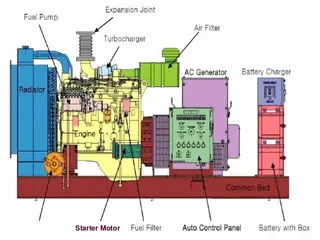
Comparison of Diesel Generator Cooling Methods
- Mar 19, 2024
Related Articles from China Manufacturers

Comparison between Hot Rolled and Cold Rolled Pipe
- Sep 01, 2014

Comparison between ABS and PP
- Sep 20, 2017
Comparison between Electric and Pneumatic Actuators
- Jun 29, 2015

Comparison Between Forged Aluminum vs Forged Brass
- Apr 14, 2024

Related Products Mentioned in the Article

Supplier Website
Source: https://genset-generator-suppliers.com/news/comparison-between-perkins-and-cummins-diesel-generators.html