
Commercial DC Fast Chargers: Powering the Future of Electric Mobility
Introduction
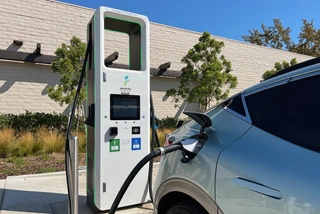
The global transition toward electrified transportation is accelerating at an unprecedented pace, driven by environmental concerns, regulatory mandates, and rapid advancements in electric vehicle (EV) technology. At the center of this transformation lies a critical enabler: charging infrastructure. Among the various charging solutions available today, commercial DC EV chargers stand out as the backbone of fast, efficient, and scalable charging networks.
For businesses, municipalities, and fleet operators, investing in commercial DC fast charging is no longer a forward-looking concept—it is becoming a strategic necessity. From enabling rapid vehicle turnaround to supporting long-distance travel corridors and high-utilization fleets, DC fast chargers are reshaping how energy is delivered to vehicles and how businesses engage with the growing EV ecosystem.
This article provides a comprehensive overview of commercial DC EV chargers, including their role in modern charging infrastructure, technical characteristics, deployment considerations, cost factors, and future trends shaping the industry.
What Is Commercial EV Charging?
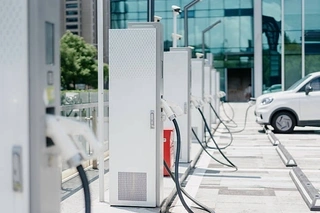
Commercial EV charging refers to the deployment of electric vehicle charging infrastructure by businesses, organizations, and property owners to support EV users in public, semi-public, or private settings. Unlike residential charging, which is typically limited to individual users, commercial charging systems are designed to accommodate multiple vehicles, higher utilization rates, and diverse operational requirements.
Commercial charging installations can be found in a wide range of environments, including:
- Workplace parking facilities for employee charging
- Retail centers, hotels, and restaurants offering customer charging
- Public charging hubs in urban or highway locations
- Fleet depots supporting logistics, delivery, or transit vehicles
- Parking garages and multi-unit residential complexes
These systems are often integrated with software platforms that enable user authentication, payment processing, energy management, and real-time monitoring. As EV adoption grows, businesses are increasingly viewing charging infrastructure not only as a service but also as a revenue-generating asset and a key component of sustainability strategies.
Understanding DC Fast Chargers for Commercial Use
DC fast chargers, also known as Level 3 chargers, deliver direct current (DC) electricity directly to an electric vehicle's battery, bypassing the onboard charger used in AC systems. This allows for significantly higher power transfer rates and dramatically reduces charging times.
Key Characteristics of DC Fast Chargers
- High Power Output: Typically ranging from 50 kW to 350 kW or more
- Rapid Charging Time: Capable of charging an EV to 80% in 15–45 minutes, depending on battery capacity and charger power
- Direct Battery Charging: Eliminates the need for onboard AC-to-DC conversion
- Advanced Cooling Systems: Required to manage heat generated during high-power operation
- Smart Connectivity: Integration with network platforms for remote management and diagnostics
Typical Use Cases
DC fast chargers are particularly well-suited for high-demand scenarios where speed and efficiency are critical:
- Highway rest stops and travel corridors
- Urban fast-charging hubs
- Fleet depots with tight turnaround schedules
- Ride-hailing and taxi charging stations
- Commercial logistics and delivery operations
While DC fast chargers represent a higher upfront investment compared to Level 2 chargers, their ability to deliver rapid charging makes them indispensable for commercial applications requiring high throughput and minimal downtime.
Market Growth and Adoption Trends
The adoption of commercial DC EV chargers is expanding rapidly across global markets. Governments and private stakeholders are investing heavily in charging infrastructure to support EV adoption targets and reduce carbon emissions.
Key trends driving growth include:
- Government Incentives: Subsidies, tax credits, and infrastructure funding programs
- Fleet Electrification: Logistics companies transitioning to electric delivery vehicles
- Urbanization: Increasing demand for public charging in densely populated areas
- Consumer Expectations: Growing preference for fast and convenient charging options
- Automaker Commitments: Expansion of EV models with higher battery capacities and fast-charging capabilities
Despite higher installation costs, DC fast chargers are becoming more economically viable as utilization rates increase and technology costs decline.
Cost Considerations for Commercial DC EV Chargers
One of the most important factors in deploying DC fast chargers is understanding the total cost of ownership (TCO). While initial investment can be substantial, long-term benefits often justify the expense.
Typical Cost Range
The total installed cost for commercial DC fast chargers generally ranges from $18,000 to $350,000 per port, depending on several variables:
- Charger power level (50 kW vs. 350 kW)
- Site preparation and construction requirements
- Electrical infrastructure upgrades
- Utility interconnection costs
- Software and networking capabilities
Cost Components
- Equipment Costs: The charger hardware itself, including power modules and connectors
- Installation Costs: Labor, trenching, wiring, and mounting
- Utility Upgrades: Transformer upgrades, grid connections, and demand charges
- Permitting and Compliance: Local regulations, inspections, and approvals
- Operational Costs: Electricity, maintenance, and software subscriptions
Businesses must carefully evaluate these factors to ensure a sustainable and profitable deployment strategy.
Key Factors for Deploying Commercial DC Fast Chargers
Successfully implementing DC fast charging infrastructure requires a comprehensive understanding of technical, operational, and financial considerations.
1. Power Output and Charging Speed
Higher power output enables faster charging but comes with increased costs and energy demand. Businesses must balance charging speed with cost efficiency based on their specific use case.
- 50–100 kW: Suitable for moderate traffic locations
- 150–350 kW: Ideal for high-traffic sites and future-proofing
A detailed analysis of vehicle types, battery capacities, and dwell times is essential for selecting the appropriate power level.
2. Connector Types and Compatibility
Ensuring compatibility between chargers and vehicles is critical for maximizing utilization.
Common connector standards include:
- CCS (Combined Charging System): Widely adopted in North America and Europe
- NACS (North American Charging Standard): Increasingly supported by major automakers
- CHAdeMO: Used by select manufacturers, though declining in adoption
As the industry evolves, there is a clear trend toward standardization, which will simplify deployment and improve interoperability.
3. Site Selection and Infrastructure Requirements
Choosing the right location is a key determinant of success for commercial charging projects.
Important considerations include:
- Available Space: Adequate room for vehicles, equipment, and accessibility
- Electrical Capacity: Ability to support high-power loads
- Visibility and Accessibility: Convenient access for drivers
- Zoning Regulations: Compliance with local laws and permitting requirements
- Future Expansion: Scalability for additional chargers
Site planning should also account for traffic flow, safety, and user experience.
4. Charging Management and Software Integration
Modern DC fast chargers rely heavily on software platforms to manage operations efficiently.
Key features include:
- User authentication and access control
- Payment processing and billing systems
- Real-time monitoring and diagnostics
- Load balancing and energy optimization
- Integration with fleet management systems
Smart charging solutions enable businesses to optimize energy usage, reduce costs, and enhance customer experience.
5. Total Cost of Ownership (TCO)
Beyond initial investment, businesses must evaluate long-term costs and revenue potential.
Key factors include:
- Electricity pricing and demand charges
- Maintenance and service agreements
- Network subscription fees
- Utilization rates and revenue generation
- Incentives and rebates
A well-designed financial model can help ensure that the charging infrastructure remains sustainable and profitable over time.
Benefits of Commercial DC EV Chargers
Despite higher costs, DC fast chargers offer significant advantages for businesses and users alike.
1. Faster Charging Times
Rapid charging reduces vehicle downtime, making it ideal for high-utilization fleets and busy public locations.
2. Increased Customer Attraction
Retailers and hospitality businesses can attract EV drivers by offering fast and convenient charging services.
3. Revenue Generation
Charging services can serve as a new revenue stream through pay-per-use models or subscription plans.
4. Support for Fleet Electrification
DC fast chargers enable efficient operation of electric fleets, improving productivity and reducing fuel costs.
5. Environmental Impact
By supporting EV adoption, businesses can reduce carbon emissions and enhance their sustainability profile.
Challenges and Considerations of Commercial DC EV Chargers
While the benefits are substantial, deploying DC fast chargers also presents challenges:
- High Upfront Costs: Significant capital investment required
- Grid Constraints: Limited electrical capacity in some areas
- Demand Charges: High electricity costs during peak usage
- Maintenance Requirements: Advanced systems require regular servicing
- Technology Evolution: Rapid changes may impact long-term planning
Addressing these challenges requires careful planning, collaboration with utilities, and adoption of scalable solutions.
Future Trends in Commercial DC EV Charging
The commercial EV charging landscape is evolving rapidly, with several key trends shaping the future:
1. Ultra-Fast Charging
Next-generation chargers exceeding 350 kW will further reduce charging times and improve user convenience.
2. Renewable Energy Integration
Solar power and energy storage systems are being integrated with charging stations to reduce grid dependency and lower costs.
3. Smart Grid and Load Management
Advanced energy management systems will enable dynamic load balancing and grid interaction.
4. Vehicle-to-Grid (V2G) Technology
EVs may serve as energy storage units, feeding power back to the grid during peak demand.
5. Expansion of Charging Networks
Public and private investments will continue to expand charging infrastructure globally.
Strategic Considerations for Businesses
For organizations planning to invest in commercial DC EV chargers, a strategic approach is essential.
Key Steps:
Assess Demand: Understand current and future charging needs
Evaluate Sites: Identify optimal locations
Select Technology: Choose appropriate power levels and features
Plan Infrastructure: Coordinate with utilities and contractors
Monitor Performance: Track usage and optimize operations
By taking a holistic approach, businesses can maximize the value of their investment and stay competitive in the evolving EV market.
Conclusion
Commercial DC EV chargers are playing a pivotal role in the global transition to electric mobility. Their ability to deliver fast, efficient, and scalable charging solutions makes them indispensable for high-traffic locations and commercial applications.
While the initial investment can be significant, the long-term benefits—ranging from revenue generation to sustainability and customer engagement—make DC fast charging a compelling opportunity for forward-thinking businesses.
As technology continues to advance and EV adoption accelerates, commercial DC EV chargers will remain at the forefront of the energy and transportation revolution, powering the future of mobility with speed, efficiency, and innovation.
Send your message to this supplier
Related Articles from the Supplier
Related Articles from China Manufacturers







Related Products Mentioned in the Article





Supplier Website
Source: https://ev-charger-china.com/news/commercial-dc-fast-chargers-powering-the-future-of-electric-mobility.html