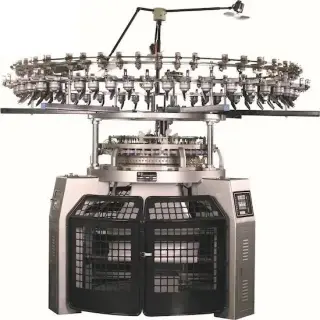
Textile & Leather Product Product List
I. Industry Definition & Scope
The Textile & Leather Product Industry encompasses the design, manufacturing, and processing of fibers, fabrics, leather, and related materials into finished or semi-finished products. It serves as a critical foundational sector for numerous downstream industries, including apparel, home furnishings, automotive interiors, and industrial goods. The scope ranges from raw material processing (natural and synthetic) to the production of technical textiles and luxury leather goods, characterized by long, complex, and globally distributed supply chains.
II. Key Product Categories
By Material Origin & Type:
-
Textiles: Natural Fibers (cotton, wool, silk, linen), Man-made Fibers (viscose, modal), Synthetic Fibers (polyester, nylon, spandex).
-
Leather & Alternatives: Animal Hides (bovine, sheep, exotic), Synthetic Leather (PU, PVC), and next-generation Bio-based & Plant-based Leathers.
By Production Process:
-
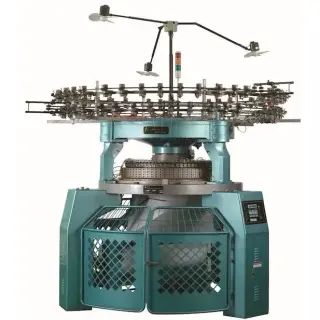
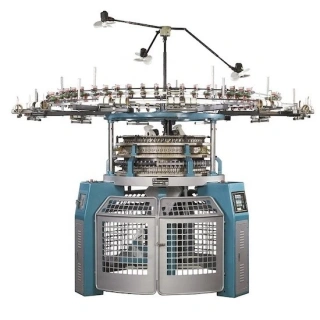
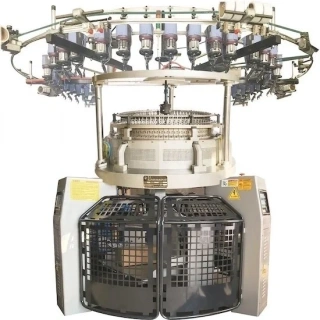
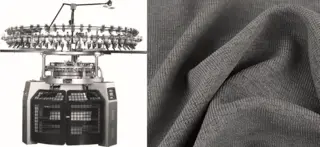
Textiles: Spinning (yarn production), Weaving, Knitting, Non-wovens, Dyeing, Printing, Finishing.
-
Leather: Tanning, Crusting, Retanning, Fatliquoring, Finishing.
By End-Use Application:
-
Apparel Textiles: Fabrics for clothing.
-
Home Textiles: Upholstery, bedding, curtains, carpets.
-
Technical/Industrial Textiles: Geotextiles, medical textiles, protective clothing, composites.
-
Leather Goods: Footwear, bags, wallets, belts, automotive seating, furniture upholstery.
III. Technology & Innovation Trends
-
Sustainable Materials & Processes: Scaling of recycled polyester, organic cotton, and chrome-free tanning. Development of lab-grown leather and materials from mycelium, pineapple leaves, or mushrooms.
-
Digitalization & Smart Manufacturing: Adoption of AI for predictive maintenance and quality control, IoT in factory monitoring, and digital textile printing for mass customization and reduced water/waste.
-
Advanced Materials: Growth in high-performance textiles with properties like moisture-wicking, temperature regulation, UV protection, and flame retardancy.
-
Supply Chain Transparency & Traceability: Implementation of blockchain and digital passports to track material origin, chemical usage, and labor conditions from source to final product.
-
Automation & Onshoring/ Nearshoring: Increased use of robotics in material handling and sewing; a trend towards relocating production closer to key markets for agility and reduced carbon footprint.
IV. Global Market Drivers
-
Demand from Downstream Industries: Growth in apparel, automotive production, and home furnishings directly fuels demand for textiles and leather.
-
Sustainability & Regulatory Pressure: Strict environmental regulations (e.g., REACH, ZDHC) and consumer demand for eco-friendly products are reshaping material choices and processes.
-
E-commerce Growth: The rise of online retail for apparel and home goods requires robust and flexible supply chains for fabrics and materials.
-
Economic Development & Urbanization: Rising disposable incomes in emerging markets drive consumption of branded apparel and leather goods.
-
Performance & Functionality Demand: Increased need for technical textiles in healthcare, construction, and personal protection.
-
Fast Fashion & Shortened Product Cycles: Demands faster, more responsive, and cost-competitive material supply chains.
V. Major Players & Value Chain
-
Leaders: Large integrated players (e.g., Toray Industries, Indorama Ventures, Lenzing AG in fibers; Eagle Ottowa, GST AutoLeather in automotive leather), alongside numerous specialized mid-sized manufacturers and commodity producers.
-
Value Chain: Raw Material (fiber producers, livestock) → Primary Processing (spinning mills, tanneries) → Fabric/Leather Production (weaving/knitting, finishing) → Product Manufacturing (cutting, sewing, assembly for brands/OEMs) → Brand/Marketing → Retail/Distribution.
VI. Challenges & Opportunities
-
Challenges:
-
Environmental Impact: High water consumption, chemical pollution (especially from dyeing and tanning), and significant textile waste.
-
Labor Intensive & Ethical Scrutiny: Ensuring fair labor practices and safe working conditions remains a persistent challenge.
-
Cost Volatility: Fluctuations in the prices of key raw materials like cotton, crude oil (for synthetics), and hides.
-
Geopolitical & Trade Risks: Tariffs, trade wars, and supply chain fragility can disrupt globalized production networks.
-
-
Opportunities:
-
Circular Economy: Business models focused on material recycling, upcycling, and product-as-a-service (e.g., leasing).
-
Premiumization & Craftsmanship: High growth in the luxury and artisanal segments for both leather goods and high-quality fabrics.
-
Innovation in Sustainable Materials: Leading in bio-fabricated leather alternatives and next-generation recycled fibers presents a major market opportunity.
-
Digital Integration: Offering digitally enabled traceability and small-batch, on-demand production as a value-added service to brands.
-