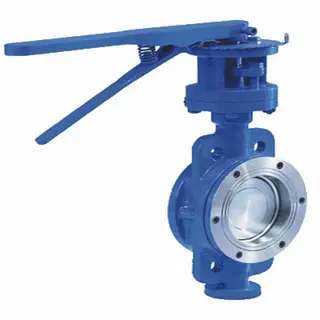
Service Equipment Product List
I. Industry Definition & Scope
The Service Equipment industry encompasses the manufacturing, distribution, maintenance, and leasing of specialized machinery, tools, and devices used by service professionals and businesses to deliver their core offerings. This industry does not produce the final consumer service but provides the critical capital goods that enable service execution. Its scope spans a vast array of equipment tailored to specific trades and sectors, from hospitality and healthcare to facility management and professional cleaning.
II. Key Product Categories
Commercial Food Service & Hospitality Equipment:
-
Kitchen Equipment: Commercial ovens, ranges, grills, fryers, refrigerators, freezers, dishwashers.
-
Food Preparation: Mixers, slicers, food processors.
-
Beverage Equipment: Coffee makers, espresso machines, blenders, ice makers.
-
Front-of-House & Laundry: Point-of-sale systems, laundry washers/dryers for hotels.
Healthcare & Wellness Service Equipment: -
Non-Medical Patient Care: Hospital beds, patient lifts, sterilization autoclaves (in some classifications), physical therapy equipment.
-
Fitness & Wellness: Cardio machines, strength training equipment, fitness monitoring devices for gyms and studios.
Facility & Property Service Equipment: -
Cleaning & Sanitation: Industrial floor cleaners (autoscrubbers), carpet extractors, pressure washers, commercial vacuum cleaners.
-
Grounds Maintenance: Commercial lawn mowers, trimmers, leaf blowers, snow removal equipment.
-
Climate Control: Commercial HVAC units, boilers, chillers (for maintenance providers).
Trade-Specific Professional Equipment: -
Beauty & Personal Care: Salon chairs, hair dryers, skincare devices, nail stations.
-
Technical Services: Diagnostic tools, calibration equipment, testing instruments for various fields.
III. Technology & Innovation Trends
-
Connectivity and IoT Integration: Equipment embedded with sensors for remote monitoring, predictive maintenance, usage tracking, and performance optimization. Data is used to prevent downtime and improve service efficiency.
-
Energy Efficiency and Sustainability: Development of equipment with significantly reduced water and energy consumption, use of eco-friendly refrigerants, and designs that lower the total cost of ownership.
-
Automation and Robotics: Increased adoption of automated cleaning robots (floor scrubbers, window cleaners), automated cooking/kitchen systems, and robotic-assist devices in healthcare and logistics.
-
Hygiene and Touchless Technology: Accelerated demand for equipment enabling touchless operation, advanced sanitation cycles (e.g., UV-C light in dishwashers), and antimicrobial surfaces post-pandemic.
-
Modular and Flexible Designs: Equipment designed for easy reconfiguration, space optimization, and adaptability to changing service needs, especially in compact urban settings.
-
Digital Service Platforms: Manufacturers offering companion apps and software for equipment management, consumables ordering, and technician dispatch.
IV. Global Market Drivers
-
Growth of the Service Economy: Expansion of sectors like hospitality, healthcare, food service, and professional facilities management directly drives capital investment in enabling equipment.
-
Foodservice Industry Expansion and Franchising: Growth in restaurants, quick-service chains, cafes, and cloud kitchens fuels demand for commercial kitchen equipment.
-
Health, Wellness, and Aging Populations: Rising health consciousness and demographic trends boost demand for fitness equipment and non-acute healthcare support devices.
-
Stringent Health, Safety, and Hygiene Regulations: Compliance with evolving standards in food safety, indoor air quality, and public health mandates equipment upgrades and replacements.
-
Urbanization and Commercial Real Estate Development: Construction of new hotels, offices, malls, hospitals, and gyms creates direct demand for new service equipment installations.
-
Focus on Operational Efficiency: Businesses seeking to reduce labor costs, utility bills, and downtime invest in more efficient, reliable, and productive equipment.
V. Major Players & Value Chain
-
Leaders: The market is fragmented with strong specialists. Foodservice: Middleby Corporation, ITW Food Equipment Group, Ali Group. Cleaning & Maintenance: Nilfisk, Tennant Company, Kärcher. Fitness Equipment: Life Fitness, Technogym, Johnson Health Tech. HVAC & Facility: Trane Technologies, Carrier Global (for service providers).
-
Value Chain: Raw Material & Component Sourcing → Equipment Design & Manufacturing → Distribution (Direct sales, specialized dealers, broadline distributors) → Installation & Commissioning → After-Sales Service, Parts & Leasing → End-User (Service Business, Institution).
VI. Challenges & Opportunities
-
Challenges:
-
Cyclical Sensitivity: Capital expenditure on equipment is highly correlated with the economic health of end-user service sectors (e.g., restaurants, hotels), making demand volatile.
-
High Competition and Pricing Pressure: Intense competition, especially in standardized equipment categories, pressures margins and necessitates differentiation.
-
Supply Chain for Specialized Components: Reliance on global supply chains for motors, controllers, and stainless steel can lead to delays and cost increases.
-
Skilled Labor Shortage for Installation/Repair: A shortage of qualified technicians affects the quality and speed of after-sales service, impacting customer satisfaction.
-
Rapid Technological Obsolescence: Fast innovation cycles can shorten the economic life of equipment, complicating investment decisions for buyers.
-
-
Opportunities:
-
Equipment-as-a-Service (EaaS) Models: Shifting from outright sales to subscription or leasing models, offering bundled maintenance and updates, creating recurring revenue streams.
-
Data-Driven Services: Monetizing equipment performance data to offer consultative insights on operational efficiency, preventive maintenance, and consumables usage to clients.
-
Sustainability Solutions: Providing high-efficiency equipment retrofits, water-saving technologies, and circular economy services like refurbishment and certified recycling.
-
Focus on Emerging Markets: Tapping into the rapid development of the service sector in Asia, Africa, and Latin America, where infrastructure is being built.
-
Integration with Smart Buildings: Developing equipment that seamlessly integrates with building management systems for holistic energy and operations management.
-