The Security & Protection Industry encompasses the technologies, products, services, and integrated systems designed to safeguard people, physical assets, information, and operations from threats. This multifaceted industry spans physical security (guarding against unauthorized access and intrusion) and cybersecurity (protecting digital assets and data), with a growing convergence between the two. It serves a wide range of end-markets, from residential and commercial to critical infrastructure, government, and industrial sectors.
Physical Security:
Video Surveillance & Access Control: Network/IP cameras, video management software (VMS), video analytics, access control systems (card readers, biometrics), door controllers.
Intrusion Detection & Alarms: Intrusion detection sensors (PIR, glass break), alarm control panels, perimeter protection (fences, sensors).
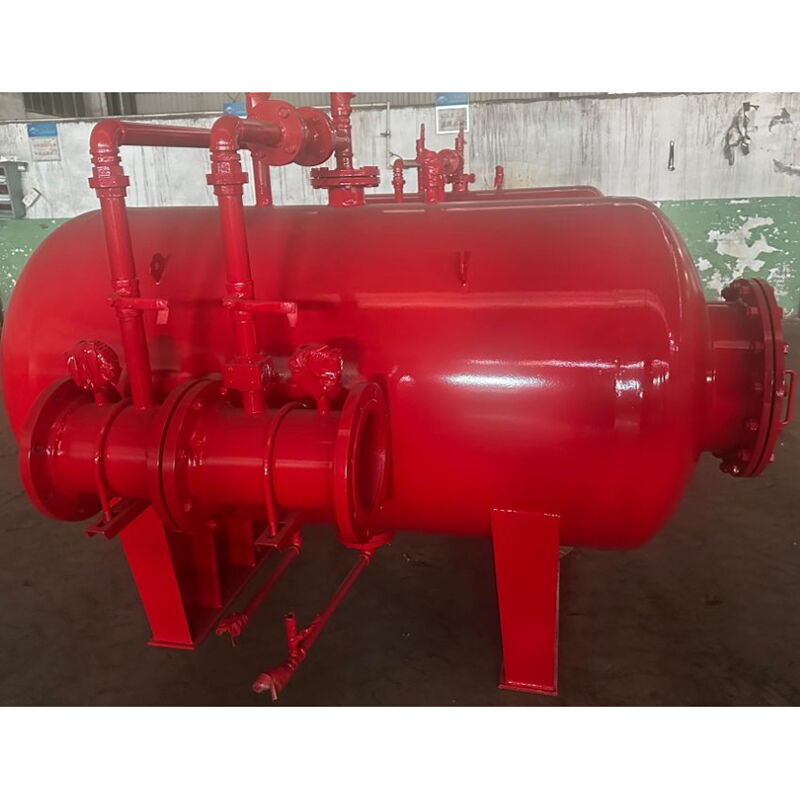
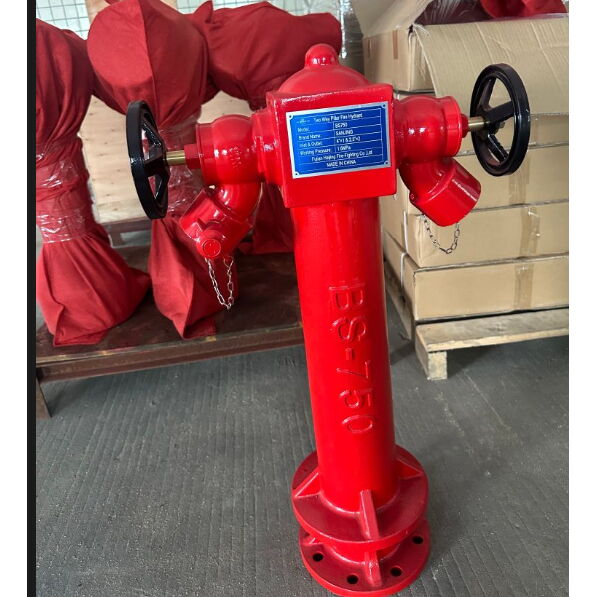
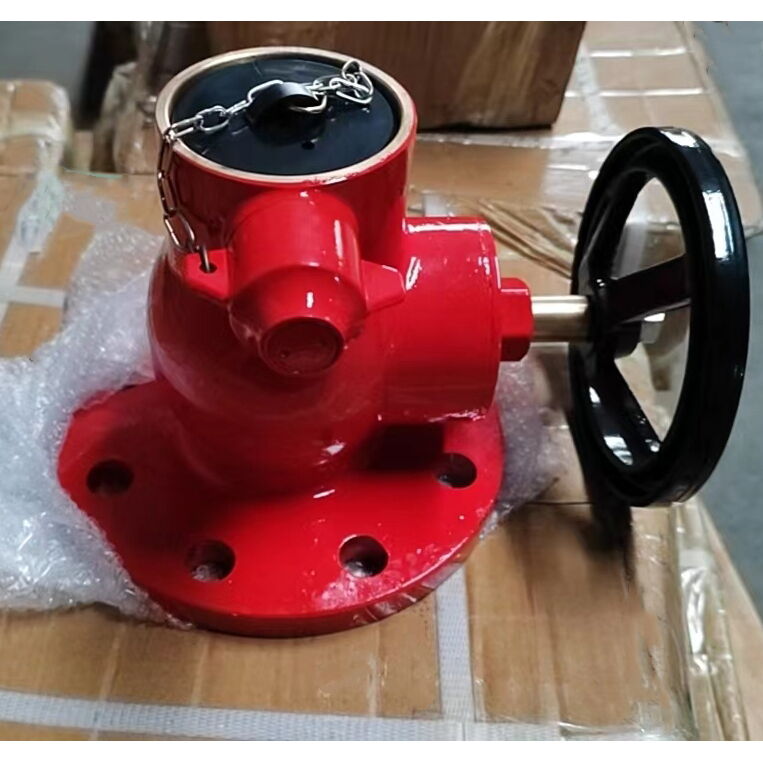
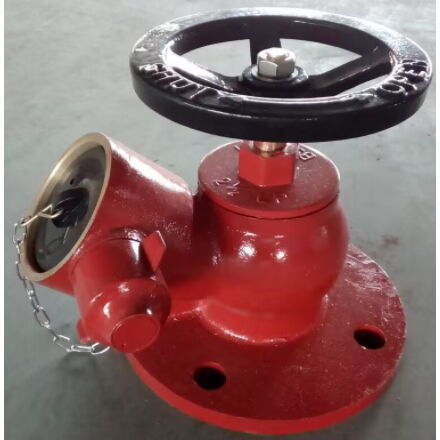
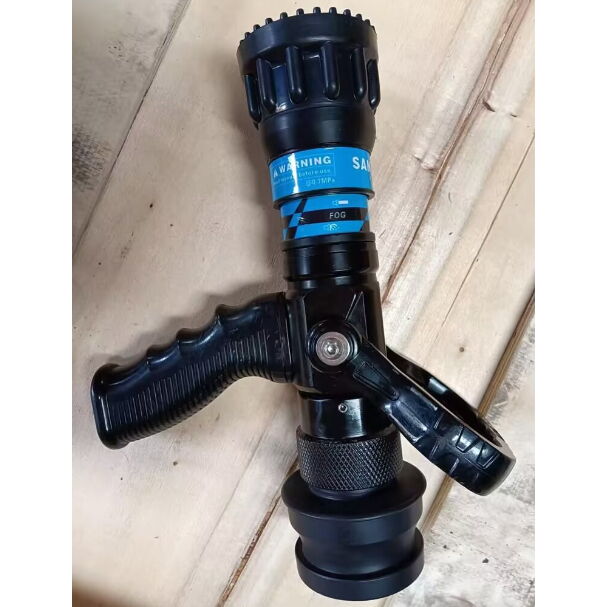
Fire & Life Safety: Fire detection (smoke/heat detectors), alarm systems, fire suppression (sprinklers, clean agent systems), emergency communication.
Physical Barriers & Hardware: Security doors, gates, locks, safes, vaults, bollards.
Cybersecurity:
Network Security: Firewalls, intrusion detection/prevention systems (IDS/IPS), secure web gateways, VPNs.
Endpoint & Cloud Security: Antivirus/anti-malware, endpoint detection and response (EDR), cloud security posture management (CSPM).
Identity & Access Management (IAM): Multi-factor authentication (MFA), single sign-on (SSO), privileged access management (PAM).
Security Services: Managed security services (MSS), security consulting, penetration testing, threat intelligence.
Convergent & Integrated Solutions:
Unified Security Platforms: Platforms that integrate video surveillance, access control, and intrusion alarms into a single interface.
IoT/OT Security: Solutions designed to secure Internet of Things devices and operational technology networks in industrial settings.
Artificial Intelligence & Machine Learning: AI-powered video analytics for behavior recognition, anomaly detection, and automated threat identification. AI in cybersecurity for advanced threat hunting and automated response (SOAR).
Cloud & SaaS Models: Shift to cloud-hosted video surveillance (VSaaS), access control (ACaaS), and cybersecurity solutions, reducing upfront costs and enabling remote management.
Biometric & Touchless Access: Widespread adoption of facial recognition, fingerprint, iris scanning, and mobile credentials (Bluetooth, NFC), accelerated by hygiene concerns.
Convergence of Physical & Cybersecurity (Cyber-Physical Security): Securing IP-connected security devices themselves from cyber threats and integrating IT/OT security postures.
Edge Computing: Processing video and sensor data at the device (edge) to reduce bandwidth, lower latency, and enhance privacy by limiting data transmission.
Smart City & Critical Infrastructure Integration: Security systems becoming integral components of larger smart city platforms for traffic management, public safety, and emergency response.
Rising Security Threats & Crime Concerns: Persistent physical crime, terrorism, and increasingly sophisticated cyberattacks (ransomware, phishing) drive continuous investment.
Stringent Regulatory Compliance: Regulations like GDPR, CCPA, and industry-specific mandates (e.g., PCI-DSS, NERC CIP) require robust security measures, creating a compliance-driven market.
Urbanization & Development of Smart Cities: Large-scale infrastructure projects and smart city initiatives incorporate advanced security and surveillance systems from the ground up.
Increasing Adoption of IoT & Connected Devices: The proliferation of connected devices expands the attack surface, driving demand for both IoT security and the physical security to protect sensitive IoT infrastructure.
Insurance Requirements & Risk Mitigation: Businesses often receive lower insurance premiums or meet policy requirements by implementing certified security systems.
Post-Pandemic Focus on Health & Safety: Demand for touchless access, occupancy management, and health screening technologies integrated with security systems.
Leaders: Diversified Conglomerates: Johnson Controls (Tyco), Honeywell, Bosch Security Systems. Video Surveillance Specialists: Hikvision, Dahua, Axis Communications. Access Control Leaders: ASSA ABLOY, Allegion. Cybersecurity Giants: Palo Alto Networks, CrowdStrike, Fortinet, Cisco. MSSP & Integrators: Securitas, G4S (Allied Universal), ADT.
Value Chain: Component Manufacturing (sensors, chips, lenses) → Product/Software Development → System Integration & Installation → Monitoring & Managed Services → End-User (Residential, Commercial, Industrial, Government).
Challenges:
Privacy Concerns & Ethical Debates: Especially regarding facial recognition and pervasive surveillance, leading to potential regulatory backlash and public skepticism.
High Complexity & Integration Hurdles: End-users often struggle with integrating multi-vendor systems into a cohesive, manageable security posture.
Cybersecurity Skills Shortage: Acute global shortage of skilled cybersecurity professionals to manage and respond to threats.
Price Sensitivity in Mature Segments: Intense competition in some hardware categories (e.g., standard cameras) pressures margins.
Rapidly Evolving Threat Landscape: Adversaries continuously adapt, requiring constant innovation and updates from security providers.
Opportunities:
"Security as a Service" & Recurring Revenue Models: Growth of subscription-based cloud services (VSaaS, ACaaS, SaaS cybersecurity) providing predictable, high-margin recurring revenue.
Converged Platform Offerings: Providing unified platforms that seamlessly blend physical security data with IT security events for comprehensive situational awareness.
AI-Driven Predictive Security: Moving from reactive monitoring to proactive risk prediction and prevention using AI analytics on combined data streams.
Expansion into Adjacent Verticals: Leveraging core security expertise into adjacent markets like business intelligence (retail analytics from video), operational efficiency, and smart building management.
Focus on Resilience & Critical Infrastructure Protection: Growing demand for solutions that protect essential services (power, water, transportation) from both physical and cyber threats.