
Formaldehyde (HCHO) Sensors: Ensuring Safe Indoor Air Quality
Introduction
Indoor air quality has become a critical concern in modern living and working environments. Among the various pollutants affecting indoor air, formaldehyde (HCHO) stands out due to its widespread use and potential health risks. Formaldehyde is a colorless, flammable, and strong-smelling gas commonly found in building materials, furniture, paper coatings, disinfectants, cosmetics, and a host of household products. Its persistent release into indoor environments over long periods, ranging from 3 to 15 years, poses a significant threat to human health.
Exposure to formaldehyde, even at relatively low concentrations, can cause headaches, respiratory irritation, skin problems, eye discomfort, and in cases of prolonged or high exposure, it may lead to cancer. The International Agency for Research on Cancer (IARC) has classified formaldehyde as a human carcinogen, underscoring the critical need for reliable monitoring and control in indoor environments.
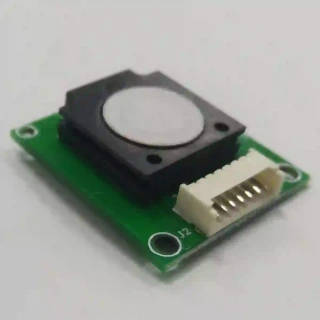
Formaldehyde sensors are devices specifically designed to detect and measure the concentration of formaldehyde in the air, allowing homeowners, businesses, and laboratories to monitor air quality and ensure compliance with safety standards.
Why Monitoring Formaldehyde Matters
Health Risks of Formaldehyde Exposure
Formaldehyde exposure can be categorized as short-term (acute) or long-term (chronic):
- Short-term exposure: Even brief contact with elevated formaldehyde levels can lead to symptoms such as nausea, irritation of the eyes, nose, and throat, coughing, wheezing, and skin rashes. Sensitive individuals, such as children, elderly adults, and people with respiratory conditions like asthma, are especially vulnerable.
- Long-term exposure: Continuous exposure to high levels of formaldehyde has been linked to nasopharyngeal cancer, leukemia, and other forms of cancer, as well as persistent respiratory problems.
Formaldehyde levels indoors can increase with temperature and humidity, making climates with hot summers or high moisture particularly concerning. Buildings constructed with pressed-wood products, laminates, and particle boards often release formaldehyde over extended periods, which is why monitoring is critical even in relatively new or recently renovated spaces.
Challenges in Identifying Formaldehyde by Odor
While formaldehyde has a pungent, irritating smell, relying solely on human perception to detect it is highly unreliable. Other airborne chemicals, including volatile organic compounds (VOCs), can mimic its odor. Therefore, objective measurement with specialized sensors is the only dependable method for assessing HCHO levels accurately.
Types of Formaldehyde Sensors
Advances in sensor technology have led to a variety of methods to detect formaldehyde. These sensors differ in their principle of operation, cost, sensitivity, and intended user group. Broadly, formaldehyde sensors can be categorized into:
1. Electrochemical (EC) Sensors
Electrochemical sensors are widely used for indoor air quality monitoring due to their affordable cost, compact size, and reliable performance. These sensors generate a small electrical current when formaldehyde diffuses into the sensor chamber. The current is proportional to the HCHO concentration, allowing real-time detection.
Key advantages include:
- Low power consumption
- High sensitivity to low HCHO concentrations
- Suitable for continuous monitoring in homes and offices
2. Optical Sensors
Optical formaldehyde sensors leverage localized surface plasmon resonance (LSPR) or other optical detection methods. These sensors detect changes in the optical properties of the sensor surface caused by formaldehyde gas adsorption.
Advantages of optical sensors:
- High precision and selectivity
- Fast response times
- Minimal interference from other gases
They are commonly used in laboratory settings or high-end air quality devices.
3. Photochemical Sensors
Photochemical sensors operate based on chemical reactions induced by light in the presence of formaldehyde. These sensors can provide accurate and rapid detection but often require specialized equipment and controlled conditions, making them more suitable for industrial or scientific applications rather than consumer use.
4. Metal Oxide Semiconductor (MOS) Sensors
MOS sensors are accessible to ordinary consumers and are widely implemented in low-cost indoor air quality monitors. They detect formaldehyde based on changes in electrical resistance of a metal oxide film when exposed to HCHO molecules. While inexpensive and compact, MOS sensors may suffer from cross-sensitivity to other VOCs and environmental factors like humidity.
Laboratory Methods for Formaldehyde Detection
For high-precision or research-grade detection, several laboratory techniques are employed:
- AHMT Spectrophotometry: Converts formaldehyde into a colored compound that is measured spectrophotometrically.
- Gas Chromatography (GC): Separates and quantifies formaldehyde from air samples with high sensitivity.
- Acetylacetone Fluorescence Spectrometry: Converts formaldehyde to a fluorescent product for detection.
- High-Performance Liquid Chromatography (HPLC): Accurate separation and quantification of formaldehyde in air or liquid samples.
- Mid-Infrared Laser Absorption Spectroscopy: Uses laser absorption in the mid-infrared range for high-precision detection.
While these methods provide extremely accurate results, they are often costly and require laboratory expertise, making them impractical for everyday consumer use.
Consumer-Accessible Formaldehyde Detection Methods
To empower households and offices to monitor indoor air, several practical detection methods are available:
- Electrochemical Sensors (EC): Used in plug-in air quality monitors.
- MOS Sensors: Affordable and widely available in home air purifiers and smart monitors.
- Phenol Reagent Spectrophotometry: Kits that provide a visual color change to indicate HCHO concentration.
- Photoelectric Photometry: Measures changes in light absorption caused by formaldehyde reaction products.
These methods allow consumers to continuously monitor formaldehyde levels, identify high-risk areas, and take appropriate actions to improve air quality.
Factors Affecting Formaldehyde Concentration Indoors
Several factors influence HCHO concentration indoors:
- Building Materials: Products such as particle boards, plywood, laminates, and insulation are primary sources of formaldehyde emission.
- Temperature: Higher temperatures accelerate formaldehyde release from materials.
- Humidity: Moist environments increase formaldehyde off-gassing.
- Ventilation: Poorly ventilated spaces accumulate higher HCHO concentrations.
- Age of Furniture and Materials: New or recently renovated homes typically exhibit higher formaldehyde levels, which gradually decline over time.
Monitoring these factors, along with real-time sensor readings, is essential to maintaining safe indoor environments.
Reducing Formaldehyde in Indoor Environments
Once formaldehyde levels are detected, several strategies can reduce exposure:
- Improve Ventilation: Open windows, use exhaust fans, or implement mechanical ventilation systems to increase airflow.
- Use Air Purifiers: Devices with activated carbon filters or HEPA filters can reduce formaldehyde levels effectively.
- Select Low-Emission Materials: Choose formaldehyde-free or low-HCHO building materials and furniture.
- Temperature and Humidity Control: Maintaining moderate indoor temperature and humidity can slow HCHO release.
- Regular Monitoring: Continuous use of formaldehyde sensors ensures that air quality remains within safe limits, alerting occupants when intervention is needed.
Regulatory Standards and Guidelines
Several international and national standards regulate acceptable formaldehyde levels:
- World Health Organization (WHO): Recommends 0.1 mg/m³ (0.08 ppm) as the 30-minute exposure limit.
- United States Environmental Protection Agency (EPA): Advises indoor HCHO concentrations below 0.1 ppm.
- European Union (EU): EN 717-1 standard specifies HCHO emission limits for wood-based products.
- China: GB/T 18883-2002 standard sets formaldehyde limits for indoor air at 0.08 mg/m³.
Compliance with these standards is critical for occupant health and building safety.
Choosing the Right Formaldehyde Sensor
When selecting a formaldehyde sensor, consider:
- Detection Range: Ensure the sensor can detect HCHO concentrations relevant to your environment.
- Response Time: Faster response times are ideal for real-time monitoring.
- Selectivity: Look for sensors that minimize interference from other gases.
- Durability and Maintenance: Long-lasting sensors reduce the need for frequent calibration.
- Integration: Some sensors can integrate with smart home systems, providing alerts via mobile apps.
Electrochemical sensors and MOS sensors remain the most popular choices for residential and office applications due to their balance of cost, accuracy, and ease of use.
Applications of Formaldehyde Sensors
Formaldehyde sensors have widespread applications:
- Residential Monitoring: Homes, apartments, and schools use sensors to ensure safe living and learning environments.
- Offices and Commercial Buildings: Monitoring helps protect employees and comply with occupational health regulations.
- Industrial Facilities: Factories using formaldehyde in production require sensors for occupational safety and emissions control.
- Laboratories and Research Centers: High-precision optical and photochemical sensors are used for experimental accuracy.
- Healthcare Facilities: Hospitals and clinics monitor indoor air to prevent respiratory complications among patients.
Future Trends in Formaldehyde Detection
The demand for smart, real-time indoor air quality monitoring is driving innovation in HCHO sensors:
- IoT-Enabled Sensors: Integration with Wi-Fi and mobile apps allows users to track HCHO levels remotely.
- Miniaturization: Compact sensors are now embedded in air purifiers, HVAC systems, and wearable devices.
- Improved Selectivity: Advanced materials reduce cross-sensitivity to other VOCs.
- Energy Efficiency: Low-power sensors extend the battery life of portable monitors.
- Data Analytics: AI and machine learning analyze trends, predict emissions, and provide actionable insights.
These advancements make it easier for consumers and businesses to maintain safe air quality proactively.
Conclusion
Formaldehyde is a ubiquitous indoor pollutant with significant health risks, ranging from short-term irritation to long-term carcinogenic effects. Reliable detection is essential, and formaldehyde sensors play a critical role in ensuring safe indoor environments. From electrochemical sensors for everyday use to high-precision optical sensors for laboratories, the range of available technologies allows accurate monitoring for various applications.
By understanding sensor types, selecting the appropriate device, and implementing preventive strategies, homeowners, businesses, and industrial facilities can significantly reduce formaldehyde exposure. Ongoing innovations in sensor technology, IoT integration, and data-driven insights are paving the way for smarter, safer, and healthier indoor air quality worldwide.
Monitoring, prevention, and awareness remain the cornerstones of indoor air safety, and formaldehyde sensors are at the heart of this effort, ensuring that every breath we take indoors is clean, safe, and health-conscious.
Send your message to this supplier
Related Articles from the Supplier




Essential Guide to Formaldehyde Detectors
- May 03, 2024
Principle of Operation of Formaldehyde Sensors
- Jun 29, 2024
Related Articles from China Manufacturers
Related Products Mentioned in the Article

Supplier Website
Source: https://www.pulse-sensors.com/news/formaldehyde-hcho-sensors-ensuring-safe-indoor-air-quality.html