
Advanced RoHS Sensors For Industrial Automation And Environmental Monitoring
Introduction
As environmental regulations become stricter worldwide, electronic manufacturers are increasingly required to develop products that minimize hazardous substances and reduce environmental impact. One of the most influential regulations affecting the electronics industry is the Restriction of Hazardous Substances (RoHS) Directive. This directive has transformed the design, manufacturing, and certification processes of countless electronic components, including sensors.
RoHS sensors are sensors manufactured in compliance with RoHS regulations, ensuring that hazardous materials such as lead, mercury, cadmium, hexavalent chromium, and certain flame retardants are restricted below specified limits. These sensors are widely used in industrial automation, consumer electronics, automotive systems, healthcare devices, environmental monitoring, smart buildings, and renewable energy systems.
As industries continue moving toward sustainable manufacturing and environmentally responsible technologies, demand for RoHS-compliant sensors continues to grow rapidly. Manufacturers are investing in advanced materials, environmentally friendly production methods, and intelligent sensing technologies to meet evolving market requirements and international environmental standards.
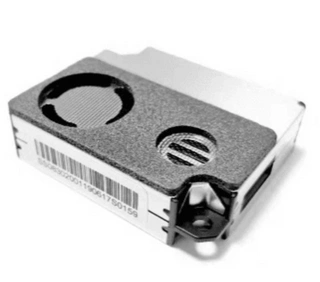
What Are RoHS Sensors?
RoHS sensors are electronic sensing devices manufactured according to the European Union's RoHS Directive, which restricts the use of hazardous substances in electrical and electronic equipment.
The original RoHS Directive was introduced by the European Union in 2003 and later updated through RoHS 2 and RoHS 3 regulations. The directive aims to reduce environmental pollution and protect human health by limiting harmful substances in electronic products.
The restricted substances include:
- Lead (Pb)
- Mercury (Hg)
- Cadmium (Cd)
- Hexavalent Chromium (Cr6+)
- Polybrominated Biphenyls (PBB)
- Polybrominated Diphenyl Ethers (PBDE)
- Bis(2-ethylhexyl) phthalate (DEHP)
- Benzyl butyl phthalate (BBP)
- Dibutyl phthalate (DBP)
- Diisobutyl phthalate (DIBP)
RoHS-compliant sensors are designed and manufactured using materials and production processes that keep these substances below legally permitted concentration levels.
Importance of RoHS Compliance in Sensor Manufacturing
Environmental Protection
Traditional electronic manufacturing processes often involve hazardous substances that can contaminate soil, water, and air when products are discarded improperly. RoHS compliance helps reduce environmental pollution and electronic waste hazards.
Human Health Safety
Hazardous materials such as lead and mercury can cause severe health problems, including neurological damage, respiratory disorders, and developmental issues. RoHS-compliant sensors improve safety for manufacturing workers, end users, and recycling personnel.
Global Market Access
Many international markets require RoHS compliance for electronic products. Manufacturers producing non-compliant sensors may face import restrictions or legal penalties.
Corporate Sustainability Goals
Many companies are adopting environmental, social, and governance (ESG) strategies. RoHS-compliant sensors support sustainable product development and improve corporate environmental responsibility.
Improved Product Quality
RoHS-compliant manufacturing processes often involve higher-quality materials and stricter quality control procedures, leading to more reliable electronic products.
Types of RoHS Sensors
RoHS compliance applies to many sensor categories used across various industries.
Temperature Sensors
RoHS-compliant temperature sensors are used in:
- HVAC systems
- Industrial automation
- Medical devices
- Electric vehicles
- Battery management systems
Common types include:
- Thermocouples
- RTDs
- Thermistors
- Digital temperature sensors
Humidity Sensors
Humidity sensors monitor moisture levels in air and industrial environments. RoHS-compliant humidity sensors are widely used in:
- Smart buildings
- Environmental monitoring
- Agricultural systems
- Clean rooms
Pressure Sensors
Pressure sensors measure gas or liquid pressure in industrial and commercial systems.
Applications include:
- Hydraulic systems
- Pneumatic systems
- Oil and gas equipment
- Water treatment plants
Gas Sensors
Gas sensors detect harmful or combustible gases.
Common applications include:
- Air quality monitoring
- Industrial safety systems
- Smart home devices
- Automotive emissions control
Motion Sensors
Motion sensors detect movement or occupancy and are commonly used in:
- Security systems
- Smart lighting
- Building automation
- Consumer electronics
Proximity Sensors
Proximity sensors detect nearby objects without physical contact.
Industries using proximity sensors include:
- Manufacturing automation
- Robotics
- Packaging systems
- Automotive assembly
Optical Sensors
Optical sensors use light to detect objects or measure conditions.
Applications include:
- Medical equipment
- Industrial inspection
- Consumer electronics
- Autonomous vehicles
Materials Used in RoHS Sensors
Manufacturers carefully select materials to ensure compliance with RoHS regulations while maintaining sensor performance and durability.
Lead-Free Solder
Traditional solder often contained lead. RoHS-compliant sensors use lead-free solder alloys such as:
- Tin-silver-copper (SAC)
- Tin-copper
- Tin-silver
These materials reduce environmental risks while maintaining strong electrical connections.
Halogen-Free Plastics
RoHS sensors often use environmentally friendly plastics that avoid restricted flame retardants.
Stainless Steel Components
Many industrial sensors use stainless steel housings for corrosion resistance and durability.
Ceramic Materials
Ceramic sensing elements are widely used because they provide stable electrical and thermal properties without restricted substances.
Silicon-Based Semiconductor Materials
Advanced semiconductor technologies enable high-precision sensing performance while supporting RoHS compliance.
Manufacturing Process of RoHS Sensors
Producing RoHS-compliant sensors requires strict process control and material verification.
Material Screening
Manufacturers verify all raw materials to ensure restricted substances remain below allowable limits.
PCB Assembly
Printed circuit boards are assembled using lead-free soldering technologies and environmentally compliant components.
Automated Production
Modern automated manufacturing systems improve consistency and reduce contamination risks.
Quality Inspection
Sensors undergo comprehensive testing for:
- Electrical performance
- Accuracy
- Durability
- Environmental resistance
- Compliance verification
Certification and Documentation
Manufacturers maintain detailed documentation to demonstrate compliance with RoHS requirements.
Applications of RoHS Sensors
Industrial Automation
Industrial automation systems increasingly rely on RoHS-compliant sensors to improve efficiency while meeting environmental regulations.
Applications include:
- Factory automation
- Robotics
- Process control
- Predictive maintenance
Automotive Industry
Modern vehicles contain numerous sensors for safety, efficiency, and emissions control.
RoHS-compliant sensors are used in:
- Engine management
- Tire pressure monitoring
- Battery systems
- Autonomous driving technologies
Consumer Electronics
Smartphones, laptops, wearable devices, and home appliances all use RoHS-compliant sensors.
Medical Equipment
Medical devices require highly reliable and environmentally safe sensors for:
- Patient monitoring
- Diagnostic equipment
- Ventilators
- Laboratory instruments
Smart Buildings
Smart building systems use sensors for:
- Temperature control
- Occupancy detection
- Energy management
- Security monitoring
Renewable Energy Systems
Solar and wind energy systems rely on sensors for monitoring and operational optimization.
Environmental Monitoring
RoHS sensors help monitor:
- Air quality
- Water quality
- Climate conditions
- Industrial emissions
Advantages of RoHS Sensors
Environmental Sustainability
RoHS sensors reduce hazardous waste and support environmentally responsible manufacturing.
Regulatory Compliance
Using RoHS-compliant sensors helps companies comply with international regulations and avoid penalties.
Enhanced Brand Reputation
Environmentally responsible products improve customer trust and brand image.
Improved Recycling Efficiency
RoHS-compliant electronics are easier and safer to recycle.
Higher Product Reliability
Modern RoHS manufacturing processes often improve product quality and consistency.
Safer Manufacturing Conditions
Reduced hazardous substances improve workplace safety for manufacturing employees.
Challenges in RoHS Sensor Manufacturing
Material Substitution Difficulties
Replacing restricted substances without compromising performance can be technically challenging.
Higher Production Costs
Environmentally compliant materials and testing procedures may increase manufacturing expenses.
Supply Chain Management
Manufacturers must carefully monitor suppliers to ensure compliance throughout the supply chain.
Thermal Performance Issues
Lead-free solder requires higher processing temperatures, which may affect component reliability.
Complex Certification Requirements
RoHS compliance involves detailed documentation, testing, and ongoing verification procedures.
RoHS Testing and Certification
Manufacturers use several testing methods to verify RoHS compliance.
X-Ray Fluorescence (XRF) Testing
XRF analysis quickly detects hazardous substances in materials and components.
Chemical Laboratory Testing
Advanced laboratory methods provide precise material composition analysis.
Third-Party Certification
Independent certification organizations verify product compliance with RoHS standards.
Compliance Documentation
Manufacturers maintain technical files including:
- Material declarations
- Test reports
- Supplier certifications
- Manufacturing records
RoHS and Global Environmental Regulations
RoHS compliance often works alongside other environmental regulations.
REACH Regulation
REACH addresses chemical safety and registration requirements in the European Union.
WEEE Directive
The Waste Electrical and Electronic Equipment Directive focuses on recycling and waste management.
China RoHS
China has implemented its own RoHS-style environmental regulations for electronic products.
California Proposition 65
Some products sold in California must meet additional hazardous substance disclosure requirements.
Smart Sensor Technology and RoHS Compliance
Modern smart sensors combine sensing technology with digital communication and data processing capabilities.
IoT Integration
RoHS-compliant smart sensors are widely used in Internet of Things (IoT) systems.
Applications include:
- Smart factories
- Smart cities
- Intelligent transportation
- Energy management systems
Wireless Connectivity
Modern sensors support:
- Bluetooth
- Wi-Fi
- Zigbee
- LoRaWAN
- 5G communication
Artificial Intelligence Integration
AI-powered sensors enable:
- Predictive maintenance
- Pattern recognition
- Automated decision-making
- Real-time monitoring
Miniaturization Trends in RoHS Sensors
The demand for smaller electronic devices has accelerated sensor miniaturization.
Compact Designs
Miniature sensors are increasingly used in:
- Wearable devices
- Medical implants
- Portable electronics
- Drones
MEMS Technology
Microelectromechanical systems (MEMS) enable highly compact and energy-efficient sensor designs.
Low Power Consumption
Energy-efficient sensors extend battery life in portable devices and wireless systems.
Environmental Benefits of RoHS Sensors
RoHS-compliant sensors contribute significantly to global sustainability goals.
Reduced Toxic Waste
Limiting hazardous substances reduces pollution during disposal and recycling.
Lower Environmental Contamination
Safer materials minimize contamination risks to ecosystems and water supplies.
Improved Recycling Processes
RoHS-compliant electronics are easier to dismantle and recycle safely.
Energy-Efficient Manufacturing
Modern compliant production methods often improve energy efficiency.
Future Trends in RoHS Sensor Development
Expansion of Green Electronics
Sustainability initiatives will continue driving demand for environmentally friendly sensors.
Hydrogen Energy Applications
Hydrogen infrastructure requires advanced sensing technologies for monitoring and safety systems.
Advanced Semiconductor Technologies
New semiconductor materials will improve sensor accuracy, speed, and durability.
Flexible and Wearable Sensors
Flexible electronics will create new opportunities in healthcare and consumer devices.
Smart Manufacturing
Industry 4.0 technologies will increase demand for intelligent RoHS-compliant sensors.
Autonomous Systems
Autonomous vehicles and robotics will require highly reliable sensing technologies.
How to Choose the Right RoHS Sensor
Selecting the proper RoHS-compliant sensor depends on several factors.
Application Requirements
Consider:
- Temperature range
- Pressure conditions
- Environmental exposure
- Accuracy requirements
Compliance Verification
Ensure the manufacturer provides proper RoHS certification and technical documentation.
Sensor Performance
Evaluate:
- Sensitivity
- Stability
- Response time
- Long-term reliability
Environmental Resistance
Industrial applications may require protection against:
- Moisture
- Dust
- Chemicals
- Vibration
Communication Compatibility
Verify compatibility with control systems and communication protocols.
Importance of Supplier Selection
Choosing a reliable sensor manufacturer is critical for ensuring product quality and compliance.
A qualified supplier should provide:
- RoHS certification
- Technical support
- Quality assurance systems
- Product traceability
- Stable production capability
Manufacturers with advanced research and development capabilities can also provide customized sensing solutions for specialized applications.
Market Outlook for RoHS Sensors
The global RoHS sensor market is expected to grow steadily due to increasing environmental awareness and rapid technological advancement.
Major growth drivers include:
- Expansion of industrial automation
- Growth of electric vehicles
- Rising adoption of IoT technologies
- Increasing environmental regulations
- Development of smart infrastructure
- Growing renewable energy investments
Asia-Pacific remains a major manufacturing hub for sensors, while Europe continues leading environmental regulation development.
Conclusion
RoHS sensors have become essential components in modern electronic and industrial systems. By restricting hazardous substances and supporting environmentally responsible manufacturing, these sensors contribute to safer products, cleaner production processes, and sustainable technological development.
From industrial automation and automotive systems to healthcare equipment and smart cities, RoHS-compliant sensors provide reliable performance while helping manufacturers meet strict international environmental standards. Advances in smart sensing technology, miniaturization, wireless communication, and artificial intelligence are further expanding the capabilities and applications of RoHS sensors worldwide.
As industries continue prioritizing sustainability, energy efficiency, and intelligent automation, demand for high-quality RoHS-compliant sensors will continue growing across global markets. Manufacturers that invest in advanced technologies, rigorous quality control, and environmentally friendly production processes will remain well-positioned to support the future of green electronics and smart industrial innovation.
Send your message to this supplier
Related Articles from the Supplier





Related Articles from China Manufacturers




Related Products Mentioned in the Article




Supplier Website
Source: https://www.pulse-sensors.com/news/advanced-rohs-sensors-for-industrial-automation-and-environmental-monitoring.html