
Ultimate Guide to Electronic Locker Locks: Security, Convenience, and Management Tips
Introduction
In today's fast-paced world, securing personal belongings has become increasingly important, whether in schools, gyms, workplaces, or public facilities. Traditional padlocks and combination locks served this purpose for decades, but technological advancements have introduced electronic locker locks, offering superior security, convenience, and operational efficiency.
Electronic locker locks integrate modern technology to provide enhanced protection against theft, unauthorized access, and mismanagement. They are replacing conventional mechanical locks in many industries due to their flexibility, adaptability, and user-friendly design. These locks not only simplify day-to-day locker management but also offer features like audit trails, remote control, and customizable access permissions.
This article provides a comprehensive guide to electronic locker locks, covering the factors to consider when choosing a lock, types of electronic locks, advantages over traditional locks, installation and maintenance tips, cost considerations, and emerging trends shaping the future of secure locker solutions.
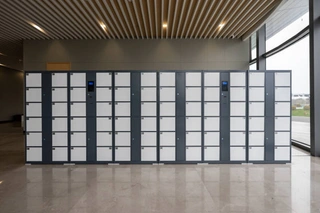
Why Electronic Locker Locks Are Essential
The adoption of electronic locker locks has accelerated due to the growing need for security, convenience, and operational efficiency. Some of the key reasons organizations are moving toward electronic systems include:
- Enhanced Security – Electronic locks reduce the risk of unauthorized access. Many models come with features like password protection, RFID cards, or biometric authentication to ensure only authorized users can open the lockers.
- Audit and Tracking Capabilities – Unlike traditional locks, electronic systems can log every entry and exit, allowing administrators to monitor usage, detect unusual activity, and manage locker assignments effectively.
- Flexibility – Electronic locks can easily accommodate changing users without the need to change physical keys or combinations. This is particularly useful in gyms, co-working spaces, and shared facilities.
- Reduced Operational Burden – Manual key management can be time-consuming. Electronic locks streamline onboarding, offboarding, and access management, saving staff valuable time.
- Modern User Experience – With intuitive interfaces, touchpads, or app-based control, electronic locker locks offer a smoother, faster, and more satisfying user experience compared to traditional locks.
Types of Electronic Locker Locks
Electronic locker locks come in several varieties, each with unique features and applications. Understanding these types will help organizations select the best solution for their needs.
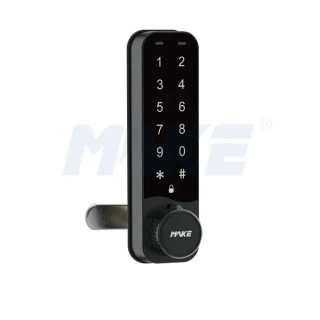
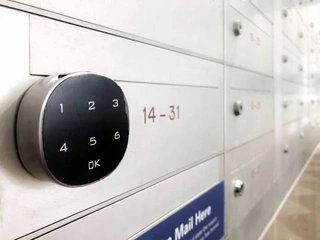
1. Keypad Electronic Locks
Keypad locks use a numeric code or PIN to unlock the locker. Users enter a personal code, which can be temporary or permanent, depending on the application.
Advantages:
- Simple and reliable
- No need for physical keys or cards
- Codes can be updated or deleted easily
Ideal For: Schools, gyms, and workplaces with moderate user turnover
2. RFID and Card-Based Locks
RFID (Radio Frequency Identification) or card-based electronic locks require users to tap a card, fob, or badge on a sensor to gain access. The system verifies credentials and grants or denies access instantly.
Advantages:
- Quick and easy access
- Supports multi-user management
- Reduces risk of lost keys
Ideal For: Corporate offices, public facilities, and employee lockers
3. Biometric Locks
Biometric electronic locks use fingerprint or retina scanning to authenticate users. These locks provide a high level of security since each biometric identifier is unique.
Advantages:
- Maximum security
- Eliminates the need for keys or cards
- Ideal for sensitive areas requiring restricted access
Ideal For: High-security facilities, research labs, and confidential storage areas
4. Bluetooth and App-Controlled Locks
Modern electronic locks can integrate with mobile applications, allowing users to unlock lockers via smartphones. Administrators can also manage access remotely and send temporary passes.
Advantages:
- Convenient and contactless
- Remote management capabilities
- Can integrate with smart building systems
Ideal For: Universities, coworking spaces, and smart gyms
Factors to Consider When Choosing a Locker Lock
Selecting the right electronic locker lock depends on multiple factors. Organizations must weigh security, usability, cost, and management needs.
Security and Durability
Security is the foremost concern. Look for locks made from robust materials such as stainless steel or reinforced polymers. High-quality locks resist tampering, forced entry, and wear over time. Consider models with additional security features like automatic relocking or alarm triggers for unauthorized access attempts.
Ease of Use
A locker lock must be intuitive for users. Keypads should have clear displays, biometric scanners must read efficiently, and app-based systems should offer straightforward interfaces. Complex or frustrating locks can lead to user errors and reduce overall efficiency.
Time and Administration
Traditional locks require manual management of keys or combinations. Electronic locks reduce administrative overhead, allowing quick assignment of lockers and seamless management of temporary users. For facilities with frequent user turnover, this can save significant staff time.
Compatibility and Integration
Ensure that the electronic lock system is compatible with existing infrastructure, such as RFID cards, building management systems, or mobile apps. Integrated systems improve operational efficiency and allow for centralized control.
Cost Considerations
Electronic locks are available across a range of price points. While high-end biometric or app-controlled locks may be expensive upfront, the investment can pay off through reduced theft, improved efficiency, and lower administrative costs. Budgeting should consider installation, maintenance, and any subscription costs for software or cloud-based services.
Maintenance and Longevity
Select locks that are easy to maintain and come with reliable customer support. Battery life, firmware updates, and durability are critical factors in ensuring the system functions effectively for years.
Advantages of Electronic Locker Locks
Electronic locker locks provide significant benefits over traditional locks, including:
- Reduced Theft and Unauthorized Access – Advanced authentication prevents unauthorized use, keeping personal and valuable items safe.
- Flexible User Management – Administrators can quickly assign or revoke access without replacing physical keys.
- Enhanced Monitoring and Audit Trails – Digital logs provide insight into usage patterns and can help resolve disputes or security incidents.
- Time Efficiency – Automated systems reduce the workload for staff, eliminating the need for manual tracking of keys or combinations.
- Modern User Experience – Users can enjoy convenient, fast, and contactless access methods.
These benefits make electronic locker locks an increasingly popular choice for institutions seeking both security and convenience.
Applications of Electronic Locker Locks
Electronic locker locks are used in diverse environments where security, efficiency, and user convenience are priorities.
Education
Schools and universities benefit from electronic locks for student lockers. PIN codes, RFID cards, or biometric systems reduce lost keys and allow administrators to manage lockers easily.
Fitness and Recreation
Gyms, swimming pools, and sports facilities require fast, secure locker access for members. Electronic locks enhance security and reduce staff involvement in managing locker usage.
Corporate Offices
Businesses can assign lockers to employees, contractors, or visitors without needing physical keys. App-based systems allow temporary access for meetings or shared spaces.
Public Facilities
Libraries, transit stations, and co-working spaces use electronic lockers to provide secure temporary storage for the public while minimizing administrative effort.
High-Security Environments
Research labs, server rooms, and restricted areas benefit from biometric and advanced electronic locks, ensuring that only authorized personnel can access sensitive items.
Installation and Maintenance Tips for Electronic Locker Lock
Proper installation and ongoing maintenance are essential to maximize the effectiveness and longevity of electronic locker locks.
- Professional Installation – Ensure locks are installed by qualified personnel to guarantee proper alignment, power supply, and system integration.
- Battery Management – Many electronic locks operate on batteries. Choose locks with long battery life and low-battery alerts to avoid lockouts.
- Firmware Updates – Keep the system updated to protect against vulnerabilities and enable new features.
- Regular Inspections – Periodically check locks for wear, damage, or misalignment to maintain security and smooth operation.
- User Training – Provide guidance on proper usage, including PIN security, RFID card handling, or app login procedures.
Cost Considerations for Electronic Locker Lock
Costs for electronic locker locks vary based on type, security level, and features:
- Basic Keypad Locks: Affordable, ideal for low-budget applications
- RFID or Card-Based Systems: Mid-range cost, suitable for frequent users
- Biometric Locks: Higher upfront cost but maximum security
- Bluetooth/App-Controlled Systems: Cost varies depending on software and integration features
When budgeting, consider not only the initial purchase but also installation, battery replacement, software subscriptions, and long-term maintenance. Investing in quality locks may save money by reducing theft, administrative effort, and downtime.
Future Trends in Electronic Locker Locks
As technology evolves, electronic locker locks continue to become smarter, safer, and more connected. Key trends include:
- Integration with Smart Buildings – Locks communicating with building management systems for automated access control
- Mobile and Contactless Access – Growing preference for smartphone-based authentication
- Cloud-Based Management – Centralized administration, monitoring, and reporting
- AI-Enabled Security Features – Predictive analytics for unusual activity detection
- Energy-Efficient and Sustainable Designs – Longer battery life, low-power operation, and recyclable materials
These trends suggest that electronic locker locks will play a central role in secure, efficient, and connected facilities of the future.
Conclusion
Electronic locker locks represent a major advancement in security, convenience, and operational efficiency. Whether in schools, gyms, corporate offices, or public facilities, these locks provide flexible user management, enhanced monitoring, and modern access solutions.
When selecting an electronic locker lock, organizations should consider security, ease of use, administrative time, compatibility, cost, and maintenance. Different types—keypad, RFID, biometric, and app-controlled locks—offer varied features to suit diverse needs.
Investing in high-quality electronic locker locks ensures long-term security, reduced administrative burden, and a seamless experience for users. As technology continues to advance, these smart locks will become increasingly integral to safe and efficient storage management worldwide.
Send your message to this supplier
Related Articles from the Supplier
Related Articles from China Manufacturers

Ultimate Guide to Selecting Valve Internal Materials
- Jan 28, 2026


The Ultimate Guide to Surfboard Leashes
- Jul 20, 2022


The Ultimate Guide to Home EV Chargers
- Jan 16, 2025
Related Products Mentioned in the Article

Supplier Website
Source: https://www.makelocks.com/news/ultimate-guide-to-electronic-locker-locks-security-convenience-and-management-tips.html