
How to Adjust Packing in Wedge Gate Valves
Wedge gate valves are among the most commonly used shut-off devices in industrial piping systems, widely applied across sectors such as oil and gas, chemical processing, power generation, and metallurgy. Over prolonged operation, the valve packing, also known as gland packing, is a critical component ensuring a reliable seal between the valve stem and the valve body. Packing materials are typically made from graphite, polytetrafluoroethylene (PTFE), or other synthetic compounds, chosen for their excellent sealing properties, chemical resistance, and ability to withstand high temperatures and pressures.
With continued use, packing materials naturally experience wear, aging, or loosening. When valve packing is compromised, valves can develop leaks, become difficult to operate, or suffer reduced performance. Timely adjustment or replacement of packing is essential to maintain valve integrity, prevent leakage of media, and prolong equipment life. According to industrial maintenance standards, valve packing should be inspected at least once a month, or more frequently according to manufacturer recommendations, to ensure it is neither too tight nor too loose.
Common Signs of Valve Packing Issues
Before performing maintenance, operators must be able to identify the signs of packing deterioration. The following are the most frequent indicators:
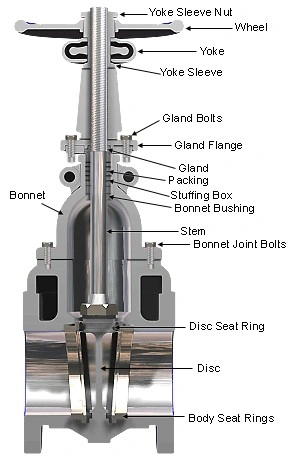
1. Leakage Around the Valve Stem
This is the most obvious sign of packing failure. Any seepage of liquid or gas from the gap between the valve stem and body indicates that the seal has been compromised. Even minor leaks, if left unaddressed, can accumulate over time, resulting in significant loss or potential safety hazards. In high-temperature or high-pressure environments, leakage can escalate into more serious incidents.
2. Difficulty in Operating the Valve
If it requires excessive force to open or close the valve, or if the stem feels stiff or uneven when turned, it may indicate that the packing is overtightened or has worn and deformed. This increases friction between the stem and the packing. If not addressed promptly, excessive friction can damage the valve stem threads or the handwheel mechanism.
3. Abnormal Stem Looseness or Play
A valve stem that wobbles noticeably during operation may signal that the packing is too loose and cannot adequately support or seal the stem. This not only reduces sealing efficiency but can also cause uneven wear on the stem, further worsening the leakage problem.
Recognizing these early warning signs allows maintenance personnel to intervene before minor issues escalate into costly repairs or safety incidents.
Preparatory Work Before Packing Adjustment
Proper preparation is crucial to ensure safety and effective packing adjustment. The following steps should be completed before starting any work.
1. Required Tools and Materials
Wrenches: Open-end or box wrenches of appropriate sizes to loosen and tighten packing gland nuts.
- Gland Wrench: A specialized wrench for evenly adjusting the packing gland to ensure uniform compression.
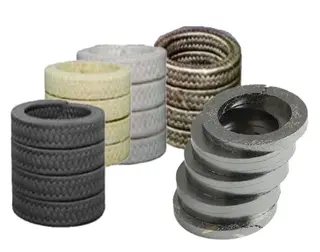
- Spare Packing Materials: Select appropriate packing based on the valve’s operating conditions. Common options include flexible graphite, PTFE, and aramid fibers.
- Personal Protective Equipment (PPE): Safety glasses, protective gloves, and workwear. Depending on the medium being handled, a respirator or positive-pressure mask may also be necessary.
2. Safety Confirmation Steps
Before beginning, it is imperative to complete the following safety checks:
- Ensure the Valve is Fully Closed: Prevents media flow during maintenance.
- Confirm System Pressure is Fully Released: Use downstream valves or dedicated pressure relief devices to safely release pipeline pressure. This step is critical to prevent injury or environmental contamination.
- Verify the Medium is Drained: Especially important for toxic, corrosive, or high-temperature media. Ensure the pipeline is free of residual contents.
- Wear Appropriate PPE: Select protective gear according to the characteristics of the medium.
Step-by-Step Procedure for Packing Adjustment
Once preparation is complete and safety conditions are verified, the packing adjustment can proceed. Following a standardized process ensures both effective sealing and operator safety.
1. Visual Inspection
Before loosening the packing, perform a visual inspection of the gland and valve stem:
Check the gland body for cracks, deformation, or corrosion.
Inspect the gland nuts for looseness, absence, or rust.
Examine the valve stem surface for scratches, dents, or corrosion. Insufficient surface smoothness accelerates packing wear.
2. Loosen the Packing Gland
Using an appropriate wrench, gradually loosen the packing gland nuts. Key points:
Do not loosen too much at once; loosen incrementally and symmetrically, about 1/4 turn at a time. Sudden pressure release can displace or eject the packing.
For double-nut glands, first loosen the locknut, then adjust the pressure nut.
3. Inspect Packing Condition
Carefully remove the gland and examine the packing:
- Normal Condition: Packing remains elastic with an intact surface and minimal wear.
- Needs Adjustment: Packing shows slight compression but material integrity remains; sealing can be restored by re-tightening.
- Must Replace: Packing exhibits hardening, fragmentation, severe wear, chemical corrosion, or aging.
When replacement is necessary, pay attention to proper installation:
Insert packing in concentric rings, staggering joint angles at 30° or 45° between layers.
Ensure joints in adjacent rings are offset 120° or 180° to prevent a direct leakage path.
4. Adjust or Replace Packing
For reusable packing in good condition:
Use the gland wrench to tighten the gland evenly, 1/4 turn at a time.
Rotate the stem simultaneously to ensure uniform compression and prevent stem jamming.
For replacement packing:
Remove old packing completely, using a hook to clean residual material from the stuffing box.
Clean the valve stem and stuffing box walls, checking for scratches or damage. Scratches can cut the new packing and shorten its lifespan.
Insert new packing according to the recommended number of rings and compression.
Set the gland so that it compresses 10–20% of the total stuffing box depth, leaving room for later fine adjustments.
5. Evenly Tighten Gland Nuts
Tighten the gland nuts symmetrically and gradually. Avoid single-sided force or over-tightening, which may tilt the gland, shift the packing, or damage the stem.
Use a cross-diagonal pattern to maintain parallel alignment and even compression.
6. Testing and Verification
- Manual Operation Test: Open and close the valve slowly to verify smooth operation without sticking or excessive resistance.
- Leakage Check: If the system allows, gradually pressurize and observe for leakage around the stem.
- Functional Verification: Confirm that the valve operates correctly at fully open and fully closed positions.
If minor leaks persist, further tighten the gland nuts in small increments (no more than 1/4 turn each), until leakage stops. Avoid over-tightening, which increases friction and accelerates packing wear. Aim to balance sealing effectiveness with operational ease.
Packing Characteristics for Different Wedge Gate Valves
Wedge gate valves vary in structure and material, and packing requirements differ accordingly:
- Flanged Wedge Gate Valves: Common in general piping systems. Packing should match the medium and operating conditions. Pay special attention to sealing coordination between flanges and packing.
- Alloy Steel Wedge Gate Valves: Designed for harsh environments such as high temperature and pressure, commonly used in power plants and petrochemical installations. Packing must resist high temperature and pressure, typically using flexible graphite or metal-composite packing. Adjustment should consider thermal sealing requirements.
- Stainless Steel Wedge Gate Valves: Known for corrosion resistance and durability, used in chemical, food, and pharmaceutical industries. Packing should resist chemical attack and corrosion; PTFE or specialized synthetic fibers are common. Care must be taken to avoid contaminating the medium during adjustment.
Key Considerations for Packing Adjustment
To ensure effective and safe packing adjustment, adhere to the following principles:
- Follow Manufacturer Guidelines: Different manufacturers and models may have specific adjustment methods and recommended torque values. Always consult the valve manual or technical support.
- Select Appropriate Packing Materials: Material must match the medium, temperature, and pressure conditions. Incorrect materials can lead to seal failure or safety hazards. For instance, flexible graphite is suitable for high-temperature steam, while PTFE or specialty alloys may be needed for strongly corrosive media.
- Maintain Cleanliness: Avoid introducing dust or debris into the stuffing box, which can scratch the stem and reduce seal performance. Perform maintenance in a clean environment, using covers or clean cloths if necessary.
- Avoid Over-tightening: Packing relies on compression to seal. Excessive force increases friction, complicates operation, and can damage the stem threads or gland. Tighten nuts gradually and symmetrically.
- Regular Inspection and Maintenance: Establish a routine inspection schedule, at least monthly. Early detection of minor leaks prevents major problems and extends the valve’s service life.
Conclusion
Packing adjustment for wedge gate valves is a technical maintenance task that may appear straightforward but requires standardized procedures and practical experience. Correct adjustment not only resolves leaks but also extends valve lifespan and reduces maintenance costs. For enterprises, establishing a comprehensive valve maintenance program and training operators in proper adjustment techniques is crucial for ensuring production safety and equipment reliability.
As professional suppliers of wedge gate valves, we advise users to thoroughly understand the packing material characteristics and maintenance requirements when purchasing valves, stock necessary spare parts and tools, and develop detailed maintenance schedules. Only by doing so can valves maintain optimal performance over long-term operation, providing reliable support for industrial production.
Send your message to this supplier
Related Articles from the Supplier
How to Adjust Packing in Wedge Gate Valves
- Mar 18, 2026
How to Select V-Port Ball Valves for Nitrate Media
- Jun 09, 2025

How to Choose the Right Valve Materials
- Jun 10, 2025
How to Select Packing Materials?
- Jun 20, 2025
How to Deal with PTFE Gasket Creep?
- Nov 06, 2025
Related Articles from China Manufacturers


How to Adjust and Test a 3-Axis Robot?
- Aug 02, 2019

How to Design Die Casting Components
- Jan 03, 2015

How to Choose Qualified Fiber Optic Cable Products
- Aug 27, 2015

How to Maintain Fiber Optic in Daily Life
- Aug 13, 2015

How to Reduce the Loss of Fiber Optic Cables
- Nov 24, 2015

Related Products Mentioned in the Article

Supplier Website
Source: https://www.magpievalves.com/media-hub/how-to-adjust-packing-in-wedge-gate-valves.html