
What are PTFE-Lined Plug Valves
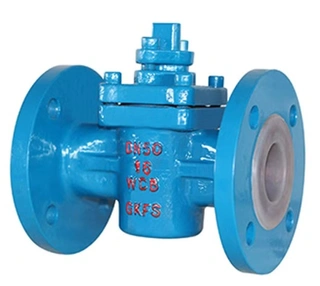
PTFE-lined plug valves are industrial valves specifically engineered to control the flow of fluids. These valves are widely used in sectors where handling corrosive, high-purity, or abrasive media is critical. The defining feature of PTFE-lined plug valves is the lining of polytetrafluoroethylene (PTFE) inside a metal valve body. This design combines the mechanical strength of metal with the chemical inertness of PTFE, making the valve suitable for aggressive and challenging process conditions.
Structurally, a PTFE-lined plug valve consists of three main components: the valve body, the plug, and the stem. The valve body, usually made from cast iron, ductile iron, or cast steel, provides the valve's mechanical support and maintains structural integrity under pressure. The plug, the key control element, is typically a conical or cylindrical piece with a through-hole machined into it. When the through-hole aligns with the pipeline, fluid flows freely; rotating the plug 90 degrees closes the valve. The stem connects the plug to the actuator, transmitting torque to rotate the plug and control flow.
The PTFE lining is the innovation that differentiates this valve type from conventional metal valves. PTFE, a highly inert fluoropolymer, exhibits exceptional resistance to chemical attack. Lining the internal surfaces of the valve body with PTFE not only protects the underlying metal from corrosion but also ensures smooth operation due to PTFE's low friction properties. This composite structure allows the valve to maintain mechanical robustness while achieving superior chemical resistance.
Core Advantages of PTFE Material
Polytetrafluoroethylene (PTFE) is a high-performance fluoropolymer widely used in industrial applications due to its unique combination of chemical, physical, and mechanical properties. In PTFE-lined plug valves, its advantages are critical to ensuring reliability, longevity, and safe operation under challenging conditions.
1. Exceptional Chemical Resistance
PTFE's chemical inertness is one of its most important properties. It resists attack from a wide range of acids, alkalis, salts, and organic solvents, including highly aggressive substances such as concentrated sulfuric acid, hydrofluoric acid, nitric acid, and strong alkalis. This resilience is due to the high bond energy of carbon-fluorine bonds, making PTFE chemically stable and highly resistant to reactions with other substances. As a result, PTFE-lined plug valves can reliably handle corrosive process media without degradation over time.
2. Extremely Low Friction Coefficient
PTFE is one of the solid materials with the lowest known friction coefficients. Its surface is exceptionally smooth, requiring minimal torque to operate the valve. This reduces operator effort, minimizes wear on moving components, and significantly prolongs valve life. The low friction also ensures that the valve plug rotates smoothly, even after prolonged periods of inactivity, which is critical in processes that demand intermittent operation.
3. Wide Temperature Tolerance
PTFE maintains performance across a broad temperature range, typically from -200°C to 260°C. Although PTFE-lined plug valves are most commonly used in low to medium temperature environments, this thermal stability allows the valves to operate reliably in varying industrial conditions. Some variants can even withstand occasional temperature spikes without compromising the integrity of the lining or the valve's sealing performance.
4. Superior Sealing Performance
PTFE exhibits slight elasticity, allowing it to deform under pressure and create a tight seal with the plug and valve body. This self-adjusting sealing property ensures minimal leakage, even in applications with high pressure or fluctuating process conditions. Unlike rigid metal-to-metal seals, the PTFE lining can compensate for minor wear or imperfections, maintaining consistent sealing over the valve's operational life.
5. Resistance to Scaling and Fouling
The smooth surface of PTFE reduces adhesion of solid particles and crystallizing substances. In applications such as chemical processing, water treatment, or food and beverage production, this property prevents scaling, fouling, and clogging, which can otherwise impair flow control and increase maintenance requirements.
Detailed Structure of PTFE-Lined Plug Valves
Although PTFE-lined plug valves appear simple, each component is carefully engineered to ensure reliable performance under demanding conditions. The internal structure can be divided into five major components: valve body, plug, stem and actuator, sealing system, and connection method.
1. Valve Body
The valve body serves as the main structural component, supporting internal and external forces while maintaining pressure integrity. Its design depends on the application, considering factors such as pressure rating, medium type, flow direction, and installation requirements. Common configurations include straight-through, three-way, and multi-port designs. The entire internal flow path is lined with PTFE, forming a continuous barrier against corrosive media and protecting the metal substrate.
2. Plug Assembly
The plug is the central control element, typically shaped as a cone or cylinder. The internal through-hole allows flow when aligned with the pipeline and stops flow when rotated. The plug's outer surface is also PTFE-lined, ensuring a tight interface with the valve body lining. This design guarantees excellent sealing performance and reduces torque required for operation. For high-purity applications, the PTFE lining also prevents contamination of the medium by metal ions.
3. Stem and Actuator
The stem connects the plug to an actuator, transmitting rotational torque to open or close the valve. PTFE-lined plug valves often feature blow-out-proof stems, which prevent the stem from being ejected under high pressure. Actuation can be manual (handwheel or lever) or automatic (pneumatic, electric, or hydraulic), depending on the operational requirements. Automation allows integration into process control systems, enabling remote operation and precise flow management.
4. Sealing System
The sealing system combines multiple elements to ensure tight closure. In addition to the PTFE lining, supplementary seals such as PTFE gaskets, seat rings, and O-rings are employed. Bearings or bushings reduce friction and support the plug during rotation, minimizing torque and wear. This multi-layered approach provides redundancy, ensuring reliable sealing in a variety of process conditions, including fluctuating pressure and temperature.
5. Connection Method
PTFE-lined plug valves typically use flanged connections, making installation and maintenance convenient. Flange standards (e.g., ANSI, DIN, GB) can be selected based on pipeline compatibility. Some designs also accommodate threaded or butt-weld connections for specific applications.
Major Applications of PTFE-lined Plug Valves
- Chemical Industry: In chemical production, PTFE-lined plug valves are widely used to transport and control highly corrosive liquids, including acids, alkalis, organic solvents, and reactive intermediates. They are suitable for reactor inlets/outlets, pipeline branches, and equipment isolation. Their excellent corrosion resistance ensures stable long-term operation in harsh chemical environments.
- Petrochemical Industry: In oil refining, natural gas processing, and LNG liquefaction, corrosive media such as hydrogen sulfide, acidic gases, and sour water are common. PTFE-lined plug valves withstand these harsh conditions and are used in critical points within refinery units, petrochemical production lines, and pipeline isolation systems, ensuring safety and environmental compliance.
- Pharmaceutical Industry: Pharmaceutical production requires high purity and hygiene, often involving highly active ingredients and corrosive chemicals. PTFE-lined plug valves, with their chemical inertness and cleanable surfaces, are ideal for API synthesis, formulation processing, laboratory chemical handling, and high-purity water systems. Their use ensures both product integrity and operator safety.
- Food and Beverage Industry: PTFE-lined plug valves are widely applied in processing juices, edible oils, beer, dairy, and other liquids. Their smooth, non-stick surfaces facilitate cleaning and disinfection, while resistance to mild acids ensures compliance with hygiene regulations. These valves are used in production lines, ingredient transport, and process control.
- Water Treatment Industry: Water treatment plants use PTFE-lined plug valves for chemical dosing, flow regulation, and pipeline switching. They can resist chlorine, sodium hypochlorite, acids, and alkalis, maintaining reliable operation in processes such as disinfection, pH adjustment, and wastewater treatment.
Advantages Over Conventional Valves
Outstanding Corrosion Resistance: By isolating the medium from the metal substrate, PTFE-lined plug valves avoid chemical and electrochemical corrosion that can cause leaks and valve failure in conventional metal valves.
- Reliable Sealing: PTFE's elasticity and self-lubrication allow the valve to maintain tight sealing over long-term operation. The lining compensates for minor wear, maintaining leak-free performance even under fluctuating conditions.
- High Flow Capacity: The full-bore design minimizes flow resistance and pressure drop, enabling large flow rates. This is particularly useful for media containing solid particles or in processes requiring high throughput.
- Ease of Operation and Maintenance: Low friction reduces torque requirements for manual operation. Simple structural design allows for straightforward maintenance, with periodic checks of sealing and lubrication typically sufficient.
- Long Service Life: The PTFE lining protects the metal body from corrosion and reduces wear on moving parts. With proper maintenance, service life is significantly longer than that of standard metal valves, offering improved economic efficiency.
- Versatile Application Range: PTFE-lined plug valves can handle highly corrosive liquids, high-purity chemicals, slurries, and abrasive fluids. Their wide temperature tolerance and customizable configurations allow deployment across diverse industries.
- Safety and Reliability: Blow-out-proof stems, multi-layered sealing, and corrosion resistance enhance operational safety. These features make PTFE-lined plug valves suitable for critical processes requiring both reliability and compliance with environmental and safety regulations.
Maintenance Recommendations for PTFE-lined Plug Valves
- Inspection: Conduct visual inspections for external corrosion, damage, stem leakage, and loose connections. Non-destructive testing is recommended for critical valves.
- Lubrication: Apply PTFE-compatible lubricants to stems and moving parts to reduce friction and operating torque.
- Leak Testing: Perform periodic sealing tests; address leaks immediately.
- Cleaning: Keep exterior surfaces clean and remove residue. For sticky or crystallizing media, conduct internal cleaning to prevent blockage.
- Operation: Avoid excessive torque; cycle valves periodically if unused to maintain mobility.
Selection Guidelines for PTFE-lined Plug Valves
When selecting a PTFE-lined plug valve, consider:
- Medium Compatibility: Confirm chemical resistance for the process medium. Consult manufacturers for special media.
- Operating Conditions: Evaluate pressure, temperature, and flow requirements for correct sizing and pressure class.
- Actuation Method: Choose manual, pneumatic, or electric actuation based on process automation needs.
- Connection Standards: Ensure flange types and sizes are compatible with existing piping.
- Regulatory Compliance: For food, pharmaceutical, or water applications, confirm compliance with relevant standards.
Conclusion
PTFE-lined plug valves combine the mechanical strength of metal with the chemical resistance of PTFE, offering exceptional corrosion protection, reliable sealing, low operating torque, and long service life. Widely applied in chemical, petrochemical, pharmaceutical, food, water treatment, and other industries, they are essential for safe and efficient handling of aggressive media.
The composite design resolves the historical conflict between valve strength and corrosion resistance, providing a cost-effective and reliable solution. With ongoing improvements in materials, design, and automation, PTFE-lined plug valves will continue to meet increasingly stringent industrial requirements, ensuring safety, efficiency, and longevity in demanding applications.
Send your message to this supplier
Related Articles from the Supplier
What are PTFE-Lined Plug Valves
- Mar 31, 2026
What are Double Block and Bleed Ball Valves?
- Dec 27, 2024
What are Diaphragm Valves?
- Dec 30, 2024
What are Eccentric Segmented Ball Valves?
- Aug 27, 2025
What are Inverted Bucket Steam Traps?
- Aug 29, 2025
Related Articles from China Manufacturers
What are Electric PTFE-Lined Ball Valves?
- Aug 26, 2025
What Are The Advantages of Pipe Irrigation?
- Aug 21, 2020

What Are the Major Future Trends of Valve Products?
- Sep 05, 2014
What Are the Needle Valves? (Part One)
- Sep 09, 2017
What Are the Needle Valves? (Part Two)
- Sep 13, 2017
What Are the Knife Gate Valves? (Part One)
- Sep 22, 2017
Related Products Mentioned in the Article

Zhejiang Kosen Valve Co., Ltd.
- https://www.kosenvalve.com/
- Business Type: Industry & Trading, Manufacturer,
Supplier Website
Source: https://www.kosenvalve.com/media-hub/what-are-ptfe-lined-plug-valves.html