
Top Entry Ball Valve vs. Side Entry Ball Valve
Ball valves are among the most widely used valve types in industrial piping systems due to their versatility, reliability, and simplicity of operation. They are essential for regulating flow, achieving tight shutoff, and ensuring system stability across a wide range of applications. From oil and gas transportation, petrochemical refining, and power generation to water treatment and chemical processing, ball valves play a critical role in maintaining operational safety and efficiency.
Their simple quarter-turn operation and robust construction make ball valves particularly advantageous for both manual and automated control systems. Within the broad range of ball valve configurations, top entry and side entry designs stand out as the two most prevalent types, each with distinct structural characteristics, maintenance requirements, cost considerations, and application suitability. Understanding the differences between these two types is crucial for engineers and operators who aim to optimize system performance, minimize downtime, and control operational costs. This article provides a detailed exploration of top entry ball valve and side entry ball valve, including their working principles, design features, advantages, limitations, and typical industrial applications.
Basic Working Principle of Ball Valves
Ball valves control the flow of fluid by rotating a spherical component with a central bore. The bore, which has the same diameter as the pipeline, allows fluid to pass when aligned with the piping direction. A 90-degree rotation of the ball positions the bore perpendicular to the pipeline, effectively stopping the flow. This straightforward quarter-turn mechanism enables rapid opening and closing, making ball valves particularly suitable for systems that require quick actuation or emergency shutoff.
Several key features contribute to the widespread adoption of ball valves in industrial applications:
- Ease of Operation: Only a 90-degree turn is needed to fully open or close the valve, significantly reducing the time and effort required for operation.
- Excellent Sealing Performance: Modern ball valves provide highly reliable sealing, preventing leakage and maintaining system integrity even under high pressure.
- Low Flow Resistance: The straight-through design of the valve bore minimizes pressure drop and energy loss during fluid flow.
- Durability and Maintenance Simplicity: Ball valves are known for their long service life, requiring relatively low maintenance compared to other valve types.
These characteristics make ball valves ideal for controlling the flow of liquids, gases, and slurries in both simple and complex industrial pipelines.
An Introduction to Top Entry Ball Valves
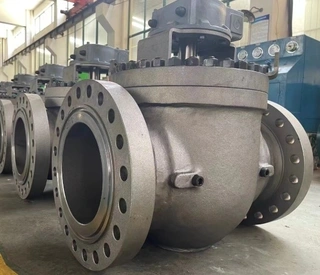
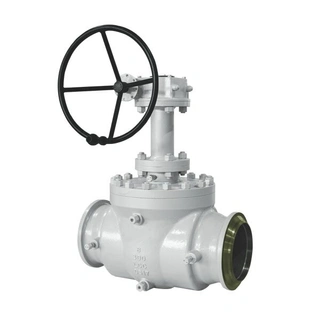
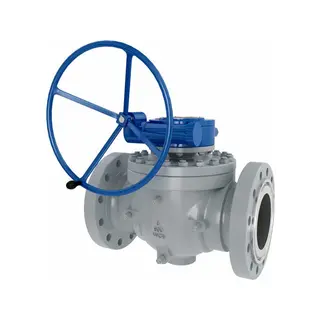
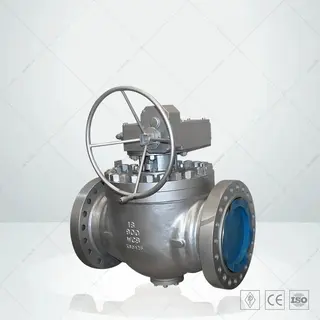
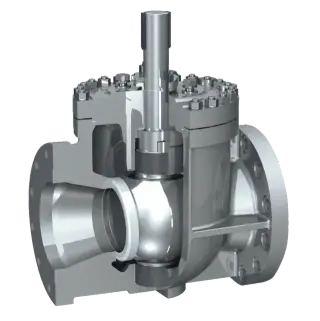
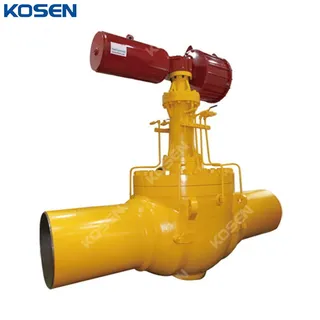
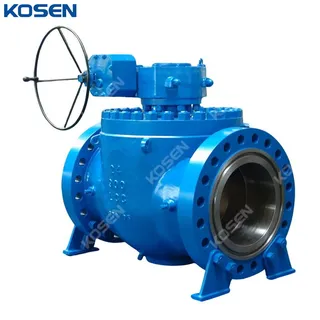
Top entry ball valves are characterized by a removable top bonnet, allowing direct access to the valve’s internal components without the need to remove the valve from the pipeline. This design is widely used in industries where inline maintenance, frequent inspection, or handling of corrosive or hazardous media is required. Common applications include chemical processing, petrochemicals, pulp and paper production, rubber and textile manufacturing, food processing, and water treatment.
The top entry design is particularly suited to critical processes where minimizing downtime is essential. Because the valve’s internal components, such as the ball, seats, and stem, can be serviced in place, these valves are ideal for continuous or high-reliability systems.
1. Structural Features of Top Entry Ball Valve
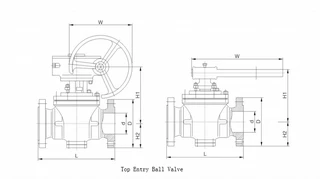
Top entry ball valves typically employ a monolithic body construction, where the valve body houses the ball and all internal components in a single, integral structure. The defining feature is the removable top bonnet, which provides access to the core components:
- Ball: The spherical element that controls flow.
- Seats: Components that ensure tight sealing between the ball and valve body.
- Stem: The shaft connecting the actuator or handle to the ball, allowing rotation.
- The monolithic body provides several advantages in terms of strength and reliability:
- High Structural Integrity: The integral construction reduces potential leakage paths, ensuring superior sealing performance even under high pressure and high temperature.
- Strength and Durability: Made from a single material, the valve body can withstand demanding industrial environments. Wall thickness and bolt connections are designed to maintain mechanical integrity under operational stress.
- Automation-Friendly: The top-mounted stem allows easy integration with pneumatic, hydraulic, or electric actuators, supporting automated control systems.
2. Top Entry Ball Valve Advantages
- Inline Maintenance: The most notable advantage of top entry valves is their ability to be maintained without removing the valve from the pipeline. Technicians can perform inspections, clean components, or replace worn parts by simply removing the top bonnet. This significantly reduces system downtime and minimizes operational disruptions, making these valves ideal for high-availability processes.
- Structural Integrity: The monolithic body design minimizes potential leak points, enhancing reliability in high-pressure and high-temperature systems. Fewer sealing points reduce the risk of leakage and ensure consistent performance in critical applications.
- Wide Pressure and Temperature Range: Top entry valves can handle a broad spectrum of pressures, from low to very high. Temperature compatibility depends on the seat material: soft seats are typically rated for temperatures up to 260°C, while metal seats can withstand temperatures up to 540°C.
- Low Operating Torque: The design allows for low-torque operation, making it suitable for manual operation and actuator-driven automated systems alike.
- Reliability in Harsh Media: These valves are well-suited to handling corrosive, abrasive, or high-purity fluids, making them a preferred choice in chemical, petrochemical, and water treatment industries.
3. Top Entry Ball Valve Limitations
The primary disadvantage of top entry ball valves is their higher initial cost. Due to their complex design and precise manufacturing requirements, top entry valves are typically more expensive than side entry valves. Additionally, their manufacturing process demands advanced equipment and quality control measures, which may not be feasible for all suppliers.
4. Typical Applications for Top Entry Ball Valves
Top entry ball valves are widely used in industries and scenarios that demand high reliability, minimal downtime, and the ability to handle aggressive media:
- Petrochemical Plants: Managing corrosive and hazardous chemicals with reliable sealing and inline maintenance capabilities.
- Power Generation Facilities: Controlling steam and water flows in high-pressure and high-temperature systems.
- Offshore and Subsea Systems: Environments where maintenance access is limited, requiring minimal interventions.
- Refineries and Pipeline Operations: Transporting natural gas and refining processes where safety and reliability are critical.
- Textile, Food, and Detergent Manufacturing: Handling corrosive production media.
- Chemical, Rubber, and Pulp & Paper Plants: Applications requiring frequent maintenance or handling specialized fluids.
What are Side Entry Ball Valves?
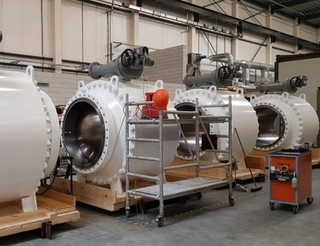
Side entry, or split-body, ball valves feature a valve body composed of two or three sections bolted together. The ball, seats, and seals are installed from the side, distinguishing this design from the top entry type. Side entry valves are widely used in oil pipelines, crude oil and natural gas processing, metering stations, injection systems, and pumping units due to their simplified manufacturing process and lower production costs.
1. Structural Features of Side Entry Ball Valves
Side entry valves allow the ball and internal components to be installed or removed laterally. Key structural characteristics include:
- Split-Body Design: Typically consists of two or three bolted sections.
- Side-Loaded Assembly: Facilitates assembly and disassembly from the side of the valve body.
- Modular Construction: Supports flexible material selection, customization, and easier integration into existing systems.
This design simplifies manufacturing and field installation, providing an economical alternative to top entry valves for less critical applications.
2. Advantages of Side Entry Ball Valves
- Lower Cost: The simpler split-body design reduces production complexity and manufacturing costs. Side entry valves are more budget-friendly, especially for large-scale installations or projects with cost constraints.
- Flexible Installation: The modular design allows easier installation in constrained spaces or retrofit projects.
- Reliable for Standard Applications: Side entry valves provide sufficient sealing and structural integrity for low to medium pressure systems, meeting the needs of many standard industrial processes.
3. Limitations of Side Entry Ball Valves
- Maintenance Complexity: Servicing the internal components generally requires removing the valve from the pipeline, leading to longer downtime and higher labor costs.
- Higher Leakage Potential: Split-body construction introduces additional sealing interfaces, increasing the risk of leakage under extreme conditions.
- Higher Operating Torque: Manual or automated operation may require more effort, particularly in frequent cycling or high-pressure applications.
- Long-Term Reliability: The sealing performance in extreme pressure or temperature conditions may be less robust than that of top entry valves.
4. Typical Applications for Side Entry Ball Valves
Side entry ball valves are suitable for:
- Water Treatment Systems: Moderate pressure and temperature requirements.
- Food and Beverage Processing: Hygienic applications with relatively mild operating conditions.
- Standard Chemical Processes: Pipelines not exposed to extreme temperatures or pressures.
- Budget-Conscious Industrial Projects: Systems with low maintenance frequency.
- Pumping Units and Compression Systems: High-performance systems with scheduled maintenance windows.
- Metering and Injection Stations: Cost-sensitive applications with acceptable maintenance schedules.
Key Differences Between Top and Side Entry Ball Valves
|
Aspect |
Top Entry |
Side Entry |
|
Design & Structure |
Monolithic body, top-accessible, compact and robust |
Split-body, side-assembled, modular |
|
Maintenance |
Inline maintenance, no pipeline removal required |
Requires valve removal, longer downtime |
|
Sealing & Leakage |
Minimal leakage paths; highly reliable |
More potential leak points; less reliable in extreme conditions |
|
Pressure & Temperature |
Wide range; suitable for high-pressure systems |
Best for low-to-medium pressure; temperature depends on seat type |
|
Cost |
Higher initial cost; lower long-term operational cost |
Lower initial cost; may incur higher maintenance costs |
|
Operation |
Low torque, easy for manual or automated actuation |
Higher torque, potentially more challenging operation |
How to Choose the Right Ball Valve?
Selecting between top entry and side entry ball valves requires careful consideration of the following factors:
- System Operation Requirements: For continuous systems requiring minimal downtime, top entry valves with inline maintenance capability are advantageous. Systems permitting periodic shutdown may allow side entry valves.
- Operating Conditions: High-pressure, high-temperature, or corrosive media favor top entry valves. Standard low-pressure conditions may allow side entry valves.
- Maintenance Frequency: Systems requiring frequent internal servicing should prioritize top entry valves.
- Budget Considerations: Evaluate both initial procurement and long-term lifecycle costs, including maintenance and downtime.
- Space Constraints: Top entry valves require sufficient overhead clearance; side entry valves offer more installation flexibility.
- Automation Needs: Low-torque top entry valves are more suitable for automated operation and frequent remote actuation.
Conclusion
Top entry and side entry ball valves each offer distinct advantages depending on system requirements. Top entry ball valves excel in critical applications requiring inline maintenance, high pressure and temperature capability, and minimal downtime. Despite higher upfront costs, their long-term reliability and reduced maintenance make them indispensable in petrochemical plants, power generation, oil and gas transport, and other high-demand industrial systems.
Side entry ball valves provide a cost-effective solution for standard industrial applications. Their split-body design facilitates manufacturing and installation while keeping initial costs low. They are ideal for water treatment, general chemical processes, food and beverage industries, and budget-sensitive projects with low maintenance frequency.
In real-world engineering decisions, cost alone should not dictate the choice of ball valve. Instead, system-specific requirements, operational conditions, maintenance strategies, and total lifecycle costs must guide selection. Consulting professional valve suppliers or engineers ensures that the chosen valve provides optimal safety, reliability, and operational efficiency. Proper valve selection not only secures pipeline system performance but also optimizes total ownership costs and enhances production efficiency.
Send your message to this supplier
Related Articles from the Supplier
Top Entry Ball Valve vs. Side Entry Ball Valve
- Apr 14, 2026
Related Articles from China Manufacturers
Top Entry Trunnion Ball Valve: A Comprehensive Guide
- Dec 06, 2025

What Is A Top Entry Ball Valve?
- Oct 18, 2023
Top Entry Ball Valves for Enhancing Severe Service
- Dec 01, 2023

Related Products Mentioned in the Article

Zhejiang Kosen Valve Co., Ltd.
- https://www.kosenvalve.com/
- Business Type: Industry & Trading, Manufacturer,
Supplier Website
Source: https://www.kosenvalve.com/media-hub/top-entry-ball-valve-vs-side-entry-ball-valve.html