
Packed vs. Lubricated Plug Valves: What is the Difference
In industrial piping systems, valves serve as critical devices for controlling fluid flow, and their sealing performance directly impacts production safety and operational efficiency. Plug valves, one of the oldest valve types, are widely used in industries such as petroleum, chemical processing, and power generation due to their simple structure and quick opening and closing capabilities. This article provides a detailed overview of the structural principles, performance characteristics, and application scenarios of two primary plug valve types, packed plug valves and lubricated plug valves, helping engineers better understand and select the most suitable plug valve products.
Structure and Working Principle of Packed Plug Valves
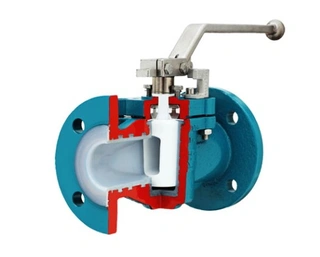
Packed plug valves are among the most common plug valve designs. Their core sealing mechanism relies on compressing packing material to create a seal between the plug and the valve body. A stuffing box is installed inside the valve body, and flexible packing is tightened by a gland to block potential leakage paths.
1. Basic Structural Features
Packed plug valves use a gland structure to seal the plug within the valve body, eliminating the need for the plug to extend outside the valve. Compared with designs that require an external stem, this configuration reduces a potential leakage path for the working medium and significantly improves external sealing reliability. Packing materials are typically made from graphite, PTFE, or flexible graphite composites, offering excellent compression resilience and chemical stability.
2. Performance Parameters and Application Range
According to material specifications, packed plug valves are mainly used in low-pressure applications with a nominal pressure of PN ≤ 1 MPa. Standard test pressures are 1.5 MPa for the shell and 1.1 MPa for sealing. They are suitable for media such as water, steam, and oil, with typical operating temperatures not exceeding 100°C.
In specialized sectors such as marine applications, upgraded packed plug valves can reach pressure ratings of PN1.0 MPa, PN1.6 MPa, or even PN2.5 MPa, enabling them to handle seawater, freshwater, lubricating oil, and fuel.
3. Technical Advantages
Packed plug valves provide several practical benefits:
- Low fluid resistance
- Compact structure with minimal installation space requirements
- Bidirectional flow capability without directional restrictions
- Fast and lightweight operation, suitable for frequent cycling
- Minimal vibration and low noise during operation
- Simple design, small size, and light weight for easy transport and maintenance
These characteristics make them an ideal choice for low-pressure pipeline systems.
4. Special Design of Packed Taper Plug Valves
Packed taper plug valves adopt a metal-to-metal hard sealing structure. A stuffing box inside the valve ensures sealing between the plug and the body’s sealing surfaces through packing compression.
Because non-lubricated metal sealing surfaces generate relatively high friction, the allowable sealing load must be limited to ensure smooth plug rotation. As a result, the leakage clearance of the sealing surface is relatively larger, making this design particularly suitable for liquids with higher surface tension and viscosity.
If sealing grease is applied to the plug before assembly, the valve can also be used in moist gas environments such as wet or oil-laden compressed air. An adjustment screw is typically installed at the bottom of the valve body to regulate the fit between the plug and body, facilitating on-site maintenance and performance tuning. This design is widely used in applications with a nominal pressure of 1.0 MPa and offers excellent external leakage protection.
Technical Principles and Advantages of Lubricated Plug Valves
Lubricated plug valves represent an advanced evolution in plug valve technology. By incorporating a forced lubrication system, they significantly enhance sealing performance and service life, making them particularly suitable for high-pressure conditions, abrasive media, and applications with stringent sealing requirements.
1. Working Principle of the Forced Lubrication System
The defining feature of lubricated plug valves is their forced lubrication device. During operation, sealant is injected through a bolt or grease gun via a check valve inside the plug stem and distributed between the plug and valve body sealing surfaces.
Grooves machined into the sealing surfaces store the sealant. As the valve rotates, the sealant spreads across the entire surface, forming a stable oil film with three key functions:
- Filling microscopic irregularities to enhance sealing performance
- Separating metal surfaces to reduce friction and operating torque
- Preventing damage during relative movement, thereby extending service life
Thanks to this oil film, effective sealing can be achieved with relatively low preload while maintaining smooth plug rotation.
2. Structural Details of Lubricated Taper Plug Valves
Sealing in lubricated taper plug valves depends on the precise fit of the tapered surfaces between the plug and valve body. The sealant injection system includes a check valve, injection channels, and a network of lubricant grooves.
If sealing performance declines during operation, additional sealant can be injected through the system to restore sealing capability. When insufficient preload prevents proper sealing, tightening the packing bolts can increase the preload and force the sealing surfaces into closer contact.
For this mechanism to function effectively, the sealing surfaces must have low roughness values and highly accurate geometry with properly matched taper angles. This ensures reliable sealing under lower preload while preserving rotational flexibility.
3. Adaptability to Severe Service Conditions
One notable advantage of lubricated plug valves is that the sealing surfaces are completely isolated from the flowing medium when the valve is fully open. This prevents erosion by abrasive media. Even if minor damage occurs, sealing performance can often be restored through sealant replenishment or maintenance.
Consequently, these valves are ideal for media containing solid particles, sand, or other abrasive materials, such as trunk pipelines in oil and gas fields.
However, lubricated plug valves are not recommended for throttling service. During throttling, portions of the sealing surface are exposed to high-velocity media, which can wash away the sealant and degrade sealing performance. Each closure would require re-establishing the seal, increasing maintenance workload and shortening valve life.
4. Performance Parameters and Application Fields
Lubricated plug valves cover a broad nominal pressure range, from PN10 to Class 900 lbs (approximately PN150), with typical temperature limits between -29°C and 180°C.
A specially designed inverted pressure-balanced structure makes operation easier. Configurations can be customized as two-way, three-way, or even four-way valves to accommodate complex process requirements.
These valves are widely used in:
- Oil and natural gas pipelines
- Chemical processing plants
- Power systems
- Metallurgical industries
- Municipal water supply, drainage, and heating networks
- Pharmaceutical and food processing facilities
They can handle media containing suspended particles and adapt to various corrosive environments by selecting appropriate body materials such as carbon steel, stainless steel, or alloy steel.
Comparison and Selection Recommendations
Both packed and lubricated plug valves have distinct technical characteristics and application scenarios. Proper selection requires considering factors such as medium properties, operating pressure, cycling frequency, and maintenance conditions.
1. Sealing Performance
Packed plug valves rely on packing compression to achieve sealing. They perform well in low-pressure gas and liquid applications but may require periodic gland adjustment or packing replacement due to wear.
Lubricated plug valves use an oil film for sealing, offering superior performance and higher pressure capability. Sealant can be replenished regularly, extending sealing life while reducing operating torque.
2. Suitable Media
Packed plug valves are best suited for clean water, steam, oil products, and general chemical media. Marine versions can handle seawater, freshwater, lubricants, and fuel. However, sealing surfaces may wear when exposed to particle-laden media.
Lubricated plug valves excel in abrasive environments such as sandy crude oil, impurity-containing natural gas, and wastewater treatment systems. Their isolated sealing surfaces maintain stable performance under harsh conditions but should not be used for frequent flow regulation.
3. Pressure and Temperature Range
Packed plug valves are primarily used in low-pressure systems (PN ≤ 1 MPa), with special designs reaching PN2.5 MPa and temperatures typically limited to 100°C due to packing material constraints.
Lubricated plug valves offer a broader operating window, with pressure ratings exceeding PN150 and temperatures from -29°C to 180°C—suitable for most industrial pipeline systems.
4. Maintenance and Service Life
Packed plug valves feature simple construction and relatively easy maintenance, mainly involving packing inspection and replacement. However, packing wear and fastener loosening require more frequent intervention.
Lubricated plug valves are structurally more complex, but their refillable sealant and repairable sealing surfaces can reduce lifecycle costs. Routine maintenance should include visual inspection, seal condition checks, stem lubrication verification, and removal of internal debris.
Installation and Operation Considerations
Regardless of valve type, proper installation and operation are essential for ensuring optimal performance.
1. Installation Direction and Position
Plug valves generally allow bidirectional flow, simplifying pipeline design. However, sufficient space should be reserved for operation and maintenance—especially for lubricated plug valves that require periodic sealant injection.
2. Operating Practices
Plug valves open and close quickly and are best suited for fully open or fully closed service rather than throttling. Operators should apply steady force to avoid impact or over-tightening. Lubricated valves should receive sealant replenishment according to manufacturer recommendations.
3. Regular Inspection
Establish a routine inspection program to monitor packing or sealant condition, stem flexibility, connection tightness, and external corrosion. Addressing minor issues promptly prevents major failures.
4. Handling Special Conditions
In cold regions, ensure sealants and lubricants maintain adequate low-temperature fluidity.
In corrosive environments, select appropriate body materials and protective coatings.
For particle-laden media, consider installing filters upstream or choosing wear-resistant designs.
Conclusion
Packed and lubricated plug valves are both essential components of industrial piping systems, each playing a critical role in different applications. Packed designs dominate low-pressure, moderate-temperature environments thanks to their simplicity, reliability, and cost-effectiveness. Lubricated designs, with superior sealing performance and adaptability to harsh conditions, are indispensable in high-pressure and abrasive environments such as oil, gas, and chemical industries.
As material science and manufacturing technologies continue to advance, plug valves are evolving toward higher pressure ratings, wider temperature ranges, and longer service life. The integration of intelligent monitoring technologies and maintenance-free designs will further enhance reliability and economic value. When selecting a valve, engineers should thoroughly evaluate medium characteristics, operating conditions, and maintenance capabilities to ensure safe and efficient pipeline operation.
Send your message to this supplier
Related Articles from the Supplier
Related Articles from China Manufacturers
How Long Can Vacuum-packed Rice Cakes Last?
- Aug 27, 2020

Is Vacuum-packed Food Absolutely Safe?
- Sep 25, 2021

The Shelf Life of Vacuum-packed Food
- Mar 24, 2021
Related Products Mentioned in the Article

Zhejiang Kosen Valve Co., Ltd.
- https://www.kosenvalve.com/
- Business Type: Industry & Trading, Manufacturer,
Supplier Website
Source: https://www.kosenvalve.com/media-hub/packed-vs-lubricated-plug-valves-what-is-the-difference.html