
Floating Ball Valve: Design, Principle, Type and Application
Floating ball valves are among the most commonly used valve types in industrial fluid control systems. Their core operating principle relies on a freely moving ball inside the valve body to control the flow of fluid in a pipeline. The ball has a central bore. When the ball rotates 90 degrees, the bore aligns with the pipeline, allowing fluid to pass through smoothly. When the ball rotates another 90 degrees, the bore becomes perpendicular to the pipeline, blocking the flow path and closing the valve.
Unlike trunnion-mounted ball valves, the ball in a floating ball valve is not rigidly fixed by upper and lower bearings. Instead, it can move slightly within the valve body. When the valve closes, fluid enters the valve body from the upstream side, and the pressure pushes the ball toward the downstream seat, creating a tight seal. This “floating” characteristic is the origin of the valve’s name and the key feature that distinguishes it from other types of ball valves.
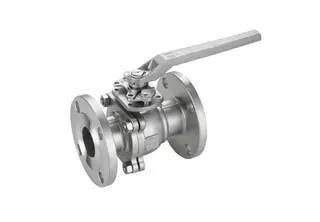
Floating ball valves generally consist of several major components, including the valve body, ball, stem, seats, sealing elements, and end connections. The valve body acts as the outer shell protecting internal components and is typically made from stainless steel, alloy steel, or cast iron. The ball is the central component responsible for controlling fluid flow and is commonly manufactured from brass, stainless steel, or bronze. Seat rings form the seal between the ball and the valve body while allowing the ball to shift slightly under pressure.
Working Principle of Floating Ball Valves
The operation of a floating ball valve can be divided into two stages: opening and closing.
In the open position, an actuator, such as a manual lever, electric actuator, pneumatic actuator, or hydraulic actuator, rotates the valve stem. The stem then rotates the ball by 90 degrees, aligning the bore of the ball with the pipeline flow direction. In this position, the fluid passes through the valve with minimal resistance, resulting in relatively low pressure loss.
When the valve needs to close, the actuator reverses the movement, rotating the stem and ball by another 90 degrees. The solid portion of the ball then faces the flow path, preventing fluid from passing through. At the same time, the upstream fluid pressure acts on the surface of the ball and pushes it tightly against the downstream seat. This pressure-assisted sealing mechanism allows floating ball valves to achieve reliable sealing performance when closed.
One significant advantage of the floating design is the relatively low operating torque. Because the ball can shift slightly during opening and closing, continuous friction between the ball and seat is reduced. As a result, both manual operation and actuator-driven operation require less force. This feature makes floating ball valves particularly suitable for applications that require frequent operation.
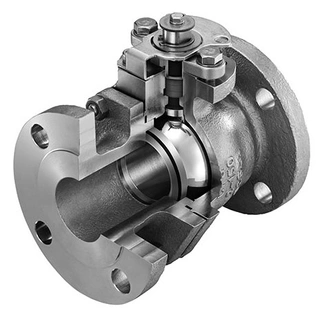
Main Types of Floating Ball Valves
Depending on structural design and application requirements, floating ball valves can be classified into several types.
1. By Valve Body Structure
Two-piece floating ball valves are the most common type. The valve body consists of two sections joined together, offering relatively low manufacturing costs and easy maintenance.
Three-piece floating ball valves include an additional center section between the two end caps. This design allows the valve to be disassembled from the middle, enabling internal components to be serviced without removing the entire valve from the pipeline.
Top-entry floating ball valves allow internal components to be removed from the top of the valve. This design is suitable for installations where vertical access is available but removing the valve from the pipeline would be difficult.
Side-entry floating ball valves allow internal components to be accessed from the side, making them suitable for installations where vertical space is limited but lateral space is available.
2. By Seat Sealing Material
Soft-seated ball valves use elastic materials such as PTFE (polytetrafluoroethylene) or rubber as seat materials. They offer excellent sealing performance and are particularly suitable for low-pressure applications requiring tight shutoff.
Metal-seated ball valves use stainless steel or other metal materials for the seats. They offer higher resistance to high temperatures and abrasion, making them suitable for high-temperature environments or fluids containing solid particles.
3. By Special Functional Design
Fire-safe ball valves are specially designed to maintain a certain level of sealing performance under extreme conditions such as fires. These valves typically comply with fire-testing standards such as API 607.
Cryogenic ball valves are designed to operate in extremely low temperatures, typically below −50°C. Both material selection and structural design are optimized for low-temperature conditions.
Partially supported or hybrid-seat designs use additional structural support to stabilize the ball under higher pressure conditions, improving sealing reliability.
Core Advantages of Floating Ball Valves
Floating ball valves are widely used in industry due to several key advantages.
- Cost Efficiency: Compared with many other valve types, floating ball valves have a relatively simple structure and mature manufacturing processes. This makes them more economical to produce. Combined with high reliability and long service life, they offer a low total cost of ownership.
- Easy Maintenance: Floating ball valves contain fewer components and relatively simple internal structures, making maintenance and repair easier. In particular, three-piece and top-entry designs allow internal seals to be replaced without removing the valve from the pipeline, significantly reducing maintenance costs and downtime.
- Reliable Sealing Performance: Under low- and medium-pressure conditions, floating ball valves provide excellent sealing performance. Soft-seat designs can form near-vacuum sealing under low pressure, while pressure-assisted sealing ensures tight shutoff at higher pressures.
- Low Operating Torque: The floating design reduces friction between the ball and seat during operation, resulting in lower operating torque compared with many other valve types. This not only simplifies manual operation but also reduces actuator power requirements in automated systems.
- Wide Media Compatibility: By selecting appropriate body and sealing materials, floating ball valves can handle a wide variety of media, including water, oil, gas, and chemical fluids.
Application Scenarios and Limitations
Floating ball valves are best suited for the following applications:
- Low- and medium-pressure pipeline systems
- Small- to medium-diameter pipelines (typically below DN200)
- Clean fluid media
- Applications requiring frequent on/off operation
Systems that require reliable sealing but are not exposed to extreme operating conditions
These valves are widely used in:
- Oil and gas transportation pipelines
- Chemical processing systems
- Auxiliary systems in power plants
- Water supply and water treatment networks
- Pharmaceutical and food processing pipelines
However, floating ball valves also have certain limitations.
- Pressure Limitations: Floating ball valves are generally not suitable for high-pressure applications. Under high pressure, the force exerted on the ball may cause excessive deformation or damage to the downstream seat, affecting sealing performance and service life. For high-pressure systems, trunnion-mounted ball valves are often a better choice.
- Temperature Limitations: Soft-seated floating ball valves are limited by the temperature resistance of their sealing materials and are not suitable for prolonged use in high-temperature environments. Even metal-seated floating ball valves typically have lower temperature limits than valves specifically designed for high-temperature applications.
- Size Limitations: As pipeline diameter increases, the size and weight of the ball also increase significantly. The fluid force acting on the ball becomes much larger, making floating designs less practical for large-diameter pipelines. In such cases, trunnion ball valves are typically preferred.
- Cavitation Risk: In certain operating conditions, floating ball valves may be more susceptible to cavitation, which can damage the valve seats and ball surfaces.
- Wear Issues: Each time the valve closes, fluid pressure pushes the ball against the seat. Frequent operation may gradually wear the seat material and reduce long-term sealing performance.
International Standards and Certifications
To ensure the performance, safety, and interchangeability of floating ball valves across different industrial applications, several international organizations have developed relevant technical standards.
- API 6D, issued by the American Petroleum Institute, is one of the most important valve standards for the oil and gas industry. It covers design, materials, manufacturing processes, testing methods, and documentation requirements for pipeline valves.
- API 608 specifically addresses metal ball valves, particularly floating ball valves with flanged or butt-welded ends.
- API 607 defines fire-testing requirements to ensure ball valves maintain sealing performance during fire conditions.
- ANSI/ASME B16.34 provides design criteria, pressure–temperature ratings, material specifications, and dimensional tolerances for industrial valves.
- ISO 17292, developed by the International Organization for Standardization, specifies design and material requirements for metal ball valves used in petroleum, petrochemical, and refinery industries.
- MSS SP-72, issued by the Manufacturers Standardization Society, defines design, material, dimension, pressure rating, and testing requirements for flanged and butt-welded ball valves.
Floating ball valves that comply with these standards provide reliable quality, safety, and performance assurance.
Key Considerations for Selecting Floating Ball Valves
Selecting an appropriate floating ball valve requires evaluating several important factors.
- Operating Conditions: System pressure, temperature range, and fluid characteristics must first be clearly defined. Pressure determines the valve pressure rating, temperature affects material selection, and fluid properties—such as corrosiveness, viscosity, or the presence of solid particles—affect compatibility and design requirements.
- Size Matching: The valve size should match the pipeline diameter and flow requirements. Undersized valves may cause excessive pressure loss, while oversized valves may increase cost and installation space.
- Material Selection: Valve body materials must be compatible with the fluid and environment. Common options include carbon steel, stainless steel, and alloy steel. Seat materials must be selected according to operating temperature, pressure, and fluid properties.
- Connection Type: Common end connections include flanged, threaded, butt-welded, and socket-welded connections. The selection depends on pipeline design standards and installation requirements.
- Actuation Method: Depending on operating frequency and automation requirements, valves can be manually operated with handles or gearboxes, or equipped with electric, pneumatic, or hydraulic actuators.
- Compliance and Certification: Industry requirements may demand compliance with specific standards such as API, ANSI, or ISO certifications.
Maintenance and Care of Floating Ball Valves
Proper maintenance can significantly extend the service life of floating ball valves and ensure reliable system operation.
- Regular Inspection: Establish periodic inspection routines to check for corrosion, leakage, loose bolts, and smooth actuator operation.
- Cleanliness: Regularly clean the valve exterior to prevent dust, oil, or debris from entering the valve body.
- Lubrication: Moving components such as the stem and bearings should be lubricated periodically with suitable lubricants.
- Seal Replacement: Sealing components such as seats and packing are wear parts and should be replaced according to preventive maintenance schedules.
- Proper Operation: Avoid excessive force when operating valves. For valves that remain unused for long periods, periodic operation helps prevent sticking or seal adhesion.
Conclusion
Floating ball valves are fundamental components in industrial fluid control systems. Their simple structure, cost efficiency, reliable sealing performance, and ease of maintenance make them widely used across industries such as oil and gas, chemical processing, power generation, and water treatment.
Understanding their working principles, structural types, operational limitations, and selection criteria is essential for engineers and technicians responsible for pipeline systems. By selecting valves that comply with international standards and implementing proper maintenance practices, floating ball valves can provide long-term, stable performance and ensure safe and efficient industrial operations.
Send your message to this supplier
Related Articles from the Supplier
Related Articles from China Manufacturers
-290x260.webp)

Related Products Mentioned in the Article

Zhejiang Kosen Valve Co., Ltd.
- https://www.kosenvalve.com/
- Business Type: Industry & Trading, Manufacturer,
Supplier Website
Source: https://www.kosenvalve.com/media-hub/floating-ball-valve-design-principle-type-and-application.html