
Steel Storage Tanks vs. Plastic Storage Tanks: How to Choose
Storage tanks are indispensable in industrial, agricultural, and domestic settings. They provide safe containment for liquids such as water, fuel, chemicals, and other fluids, and choosing the right type of storage tank directly impacts safety, cost efficiency, and long-term usability. With steel storage tanks and plastic storage tanks being the most common options on the market, many users are unsure how to decide which solution is best. This article provides a comprehensive comparison from a practical perspective, helping you choose the storage tank that best suits your specific needs.
Clarify Your Storage Requirements
Before selecting a storage tank, it is essential to clarify your exact requirements. Different applications impose very different demands on storage tanks. Considering your usage scenario carefully is the first step toward making a rational choice.
1. Type of Liquid
The type of liquid to be stored largely determines the appropriate material for a storage tank. Water, diesel, gasoline, chemicals, and AdBlue (urea solution for vehicles) each have unique requirements:
Some chemicals may react with steel, making plastic storage tanks necessary.
High-temperature liquids may require steel storage tanks for heat resistance.
Certain liquids, like AdBlue, are incompatible with steel and must be stored in plastic tanks.
2. Capacity Requirements
Capacity is another crucial factor. Household water storage may only require a few thousand liters, while industrial facilities often need tens or hundreds of thousands of liters. Storage tank type and material often depend on the required capacity.
3. Environmental Conditions
The storage tank’s environment significantly impacts its durability and lifespan. Consider:
Indoor or outdoor installation?
Coastal or inland location?
Extreme cold or prolonged sun exposure?
Environmental factors can influence both steel and plastic storage tanks, affecting corrosion, UV damage, and structural integrity.
4. Mobility
Some applications, such as construction sites, temporary events, or emergency situations, require storage tanks that can be easily relocated. Fixed industrial installations, on the other hand, do not have this requirement.
5. Budget Considerations
Budget is not limited to the initial purchase price. Installation, maintenance, and long-term operational costs should all be factored into the decision.
After evaluating these key questions, you can more effectively compare steel storage tanks and plastic storage tanks to make an informed decision.
Characteristics of Steel Storage Tanks
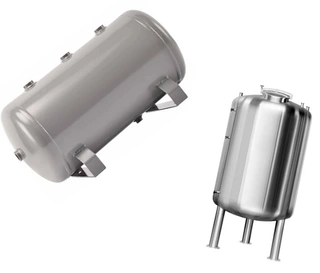
Steel storage tanks, made from robust metal, are among the most widely used in industrial applications. They offer excellent strength and durability but also have limitations. Below is a detailed analysis of the advantages and disadvantages.
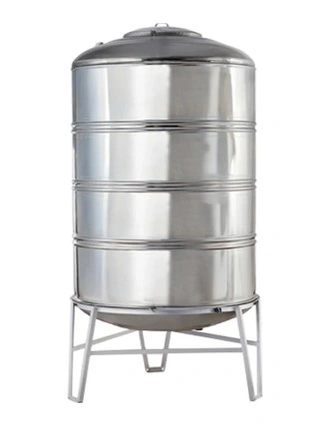
1. Advantages of Steel Storage Tanks
- High Strength and Load Capacity: Steel storage tanks can withstand significant internal pressure and external impact, making them suitable for industrial environments where heavy loads or collisions are common.
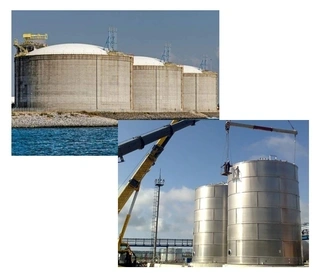
- Large Capacity: Steel storage tanks can be manufactured in extremely large sizes, often exceeding 250,000 liters. This makes them ideal for commercial and industrial applications that require bulk storage. Large fuel depots, refineries, and commercial facilities frequently use steel storage tanks for this reason.
- Long Lifespan: With proper maintenance, steel storage tanks can last 20–30 years or more. High-quality stainless steel storage tanks can even exceed this lifespan under favorable conditions. Despite higher upfront costs, the long-term cost per year may be more economical.
- Theft Resistance: Steel is difficult to tamper with or cut, providing high security for valuable liquids stored in remote or unsecured locations.
- Resistance to External Damage: Steel storage tanks are less susceptible to damage from collisions, falling debris, or harsh weather conditions. This makes them reliable for outdoor applications.
- Recyclable Material: Steel is fully recyclable, aligning with environmental standards and offering residual value at the end of the tank’s life.
- Customizability: Steel storage tanks can be tailored in terms of size, shape, and accessories. Protective coatings can be applied to prevent corrosion while matching the aesthetic or brand identity of the installation site.
2. Disadvantages of Steel Storage Tanks
- High Initial Cost: Steel storage tanks are typically more expensive than plastic tanks due to material and manufacturing complexity. Prices can be roughly twice that of plastic tanks.
- Heavy and Difficult to Install: Steel storage tanks are extremely heavy and often require cranes or other specialized equipment for transport and installation. Once installed, relocation is difficult.
- Susceptible to Corrosion: Ordinary steel rusts in humid conditions or when in contact with certain chemicals. Even stainless steel can corrode over time with exposure to chlorides or seawater. Regular maintenance and anti-corrosion coatings are essential.
- Foundation Requirements: Steel storage tanks require strong, stable foundations. Substrate settlement or movement can compromise structural integrity and lead to leaks.
- Surface Cracks: Over time, steel storage tanks may develop surface cracks that require timely repairs to prevent leakage.
- Algae Growth: Steel tanks without UV stabilization are susceptible to algae growth in sunlight, which can affect water quality.
Characteristics of Plastic Storage Tanks
Plastic storage tanks, typically made from polyethylene (PE) or polypropylene (PP), have gained popularity due to their lightweight, low cost, and convenience. They are especially suitable for households, small commercial applications, and situations requiring mobility.
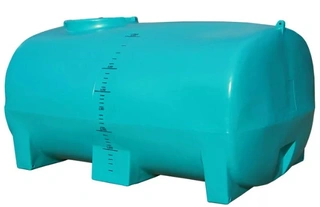
1. Advantages of Plastic Storage Tanks
- Low Cost: Plastic storage tanks are made from inexpensive raw materials and simpler manufacturing processes, making them more affordable than steel tanks.
- Lightweight and Portable: Small and medium plastic storage tanks can be moved manually without heavy machinery, ideal for temporary installations or emergency situations.
- Easy Installation: The low weight of plastic storage tanks allows for simple and quick installation without cranes or specialized equipment. Relocation is also easier.
- Corrosion Resistance: Plastic does not rust and is generally resistant to most chemicals, including water, AdBlue, and certain industrial chemicals. This makes plastic tanks suitable for coastal or marine environments.
- Low Maintenance: Smooth inner surfaces reduce dirt and sediment buildup, minimizing the need for cleaning and maintenance.
- UV Stability: Many plastic storage tanks are treated to resist UV degradation, preventing algae growth and maintaining liquid quality.
- Chemical Compatibility: Certain liquids, such as AdBlue, are incompatible with steel, making plastic storage tanks necessary.
2. Disadvantages of Plastic Storage Tanks
- Limited Capacity: Plastic storage tanks generally cannot reach the large capacities achievable with steel. Household and small commercial tanks typically max out around 50,000 liters.
- Lower Mechanical Strength: Plastic is more susceptible to impact damage from vehicles, falling objects, or heavy loads.
- Environmental Aging: Prolonged exposure to extreme heat, cold, or UV radiation may cause plastic to crack, deform, or degrade. Even high-quality plastic tanks have shorter lifespans under harsh conditions.
- Lower Security: Plastic can be cut or broken more easily than steel, making it less suitable for storing valuable liquids in remote areas.
- Recycling Challenges: End-of-life plastic storage tanks are often not recyclable and may end up in landfills, reducing environmental sustainability.
Choosing Storage Tanks for Different Scenarios
The choice between steel and plastic storage tanks depends heavily on the application, environment, and budget. Here are some common scenarios:
1. Household Water Storage
Plastic storage tanks are generally more suitable for residential use:
- Household water needs are usually a few thousand to tens of thousands of liters.
- Easy installation on rooftops or ground level without heavy equipment.
- Rust-free material ensures water quality.
- UV-treated tanks prevent algae growth.
- Low maintenance and affordable, fitting household budgets.
Steel storage tanks are only necessary when extremely large capacities or high mechanical strength are required.
2. Industrial and Commercial Use
Steel storage tanks are suitable when:
- Large-scale storage is required (>100,000 liters).
- The storage environment involves heavy loads or high-pressure/high-temperature conditions.
- Valuable liquids require theft protection.
- Long-term use with minimal annual cost is desired.
- Professional installation and maintenance are available.
Plastic storage tanks are suitable when:
- Storing corrosive chemicals.
- Frequent relocation or temporary installation is needed.
- Budget constraints require lower upfront costs.
- UV-stable storage is needed without oversized capacity.
- Low maintenance is preferred.
3. Agricultural and Outdoor Use
Fixed, high-capacity, long-term storage: Steel storage tanks are ideal.
Seasonal, mobile, or budget-sensitive applications: Plastic storage tanks are practical.
Coastal regions benefit from plastic’s superior corrosion resistance.
4. Construction Sites and Temporary Events
Plastic storage tanks are generally the only practical choice due to portability, lightweight construction, and ease of installation. Security measures should be implemented to protect valuable liquids.
Cost Considerations
Evaluating cost solely based on purchase price is incomplete. True cost includes:
- Initial Investment: Tank price, transportation, installation, foundation construction.
- Operational Costs: Maintenance, potential heating/insulation, repairs.
- Replacement Costs: End-of-life removal and disposal or new tank installation.
Example:
- A plastic storage tank costing ¥5,000 with a 15-year lifespan has an average annual cost of ¥333.
- A steel storage tank costing ¥10,000 with a 30-year lifespan also has an average annual cost of ¥333.
- Premature corrosion in steel tanks or environmental aging of plastic tanks can affect actual costs.
Safety and Regulatory Considerations
- Material Certification: Ensure storage tank materials meet relevant standards, especially for drinking water or food-grade liquids.
- Chemical Compatibility: Verify that the storage tank material is compatible with the liquid stored to avoid corrosion, leaks, or chemical reactions.
- Environmental Compliance: Storage tanks may be subject to local regulations, including spill prevention, rainwater collection, and drainage.
- Professional Consultation: Large-scale or specialized storage tanks require technical advice from engineers or manufacturers.
Conclusion
Steel storage tanks are ideal if you:
- Need extremely large capacity storage.
- Require high mechanical strength in harsh conditions.
- Expect more than 20 years of service life.
- Need robust theft protection.
- Have professional installation and maintenance capabilities.
- Can invest higher upfront for long-term savings.
Plastic storage tanks are ideal if you:
- Have a limited budget.
- Require frequent relocation or temporary use.
- Store corrosive liquids.
- Prefer low-maintenance solutions.
- Need UV-stable tanks.
- Have standard-capacity requirements.
Final Advice: Tank quality directly affects the safety of stored liquids. Always choose reputable manufacturers, certified products, and proper installation to ensure safe, long-term use.
By understanding the advantages and limitations of steel and plastic storage tanks, you can make a rational decision tailored to your storage needs. For complex or specialized applications, consult professional tank suppliers for customized solutions.
Send your message to this supplier
Related Articles from the Supplier


Related Articles from China Manufacturers

Steel Storage Tanks vs. Fiberglass Storage Tanks
- Jun 09, 2026


The Advantages of Stainless Steel Storage Tanks
- May 21, 2018

3 Applications of Stainless Steel Storage Tanks
- Dec 20, 2016

3 Applications for Stainless Steel Storage Tanks
- Mar 02, 2017

5 advantages of welded steel storage tanks
- Jun 13, 2017

Applications for Stainless Steel Storage Tanks
- Apr 12, 2018
Related Products Mentioned in the Article

DFC Tank Pressure Vessel Manufacturer Co., Ltd.
- http://www.dfctank.com/
- Business Type: Manufacturer,
Supplier Website
Source: https://www.dfctank.com/news/steel-storage-tanks-vs-plastic-storage-tanks-how-to-choose.html