
How to Choose Between Bronze Valve and Stainless Steel Valve
In industrial piping systems, the selection of valve materials directly affects equipment service life, operational safety, and overall maintenance cost. Bronze and stainless steel are two of the most commonly used valve materials, yet many users are unclear about their differences and when each should be applied. This article provides a detailed comparison of bronze valves and stainless steel valves from multiple perspectives, including corrosion resistance, pressure-bearing capacity, temperature adaptability, maintenance requirements, and cost, helping you make a rational selection of the two valves based on real application needs.
Characteristics and Applications of Bronze Valves
Before comparing the two materials, it is essential to understand the inherent properties of bronze valves and where they are typically used. Bronze valves have been applied in industrial systems for many years, and their material characteristics determine their suitability in specific operating conditions.
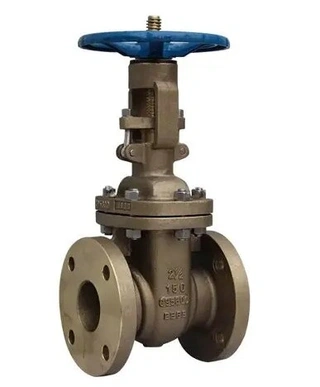
1. Basic Composition of Bronze
To understand bronze valve performance, it is first necessary to clarify what bronze is. Bronze is an alloy primarily composed of copper, typically combined with tin, aluminum, nickel, or zinc. Different alloying elements create different types of bronze, such as tin bronze, aluminum bronze, and phosphor bronze. These variations are used in valve manufacturing depending on performance requirements, but all belong to the general category of bronze materials.
2. Corrosion Resistance
One of the most important properties of bronze valves is corrosion resistance. Bronze performs well in corrosive environments because it naturally forms a dense oxide layer on its surface. This protective film prevents further penetration of corrosive media into the material.
In seawater environments, this self-protection capability is especially effective. As a result, bronze valves are widely used in marine systems, shipbuilding applications, and seawater pipelines. In practical operation, bronze valves can maintain good corrosion resistance under conditions of approximately 460°F (238°C) and 205 PSIG pressure.
Bronze is also compatible with water, oil, gases, and many chemical media, with minimal risk of adverse reactions. This makes bronze valves a common choice in water treatment plants, chemical processing units, and food processing industries.
3. Strength and Durability
Strength and durability are also key indicators of valve performance. Bronze is a strong and durable material capable of withstanding long-term wear and mechanical impact. In high-pressure pipeline systems, bronze valves maintain structural integrity and are resistant to deformation or cracking.
Compared with plastic valves, bronze valves do not suffer from cracking under high pressure, providing more reliable sealing and connection performance. In addition, bronze has good wear resistance and self-lubricating properties. During frequent opening and closing operations, wear on the valve stem and sealing surfaces is minimal, ensuring smoother operation and longer service life.
4. Machinability
Bronze also has excellent machinability, making it suitable for manufacturing complex valve structures. Whether it is a simple ball valve or a more complex Y-type strainer, bronze can be precisely machined into various shapes and sizes. This advantage makes bronze particularly suitable for customized valve designs, allowing manufacturers to meet specific engineering requirements.
5. Cost Advantage
From an economic perspective, bronze valves offer moderate cost efficiency. Their initial purchase cost is typically higher than plastic valves but lower than stainless steel valves. Considering their long service life and relatively low maintenance requirements, bronze valves offer good overall value for many standard operating conditions.
Characteristics and Applications of Stainless Steel Valves
After understanding bronze valves, it is important to examine stainless steel valves, which are another widely used material with advantages in more demanding environments.
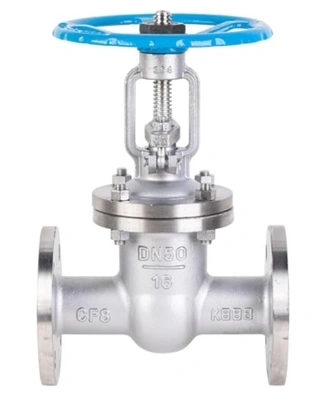
1. Types of Stainless Steel
Stainless steel is not a single material. Common types used in valve manufacturing include SS 304, 316L, and duplex stainless steel. Among them, SS 316L stainless steel contains molybdenum, which significantly improves resistance to chloride corrosion compared to SS 304. Duplex stainless steel combines austenitic and ferritic structures, offering higher strength and better resistance to stress corrosion cracking. Different grades vary in performance and cost.
2. Corrosion Resistance
Stainless steel resists corrosion through a chromium oxide passive layer that forms on its surface. This layer is highly stable in most industrial environments.
Compared with bronze, stainless steel performs better in highly corrosive environments, with corrosion resistance improved by approximately 30%. It provides more reliable long-term operation in chemical media.
However, in environments with high chloride concentration—such as long-term seawater immersion or stagnant saline conditions—standard stainless steels may experience pitting or crevice corrosion. In such cases, duplex stainless steel or even super duplex stainless steel is recommended. Alternatively, bronze may be considered depending on the application.
3. Pressure and Temperature Resistance
Stainless steel valves perform significantly better in terms of pressure and temperature capability. Their pressure rating can reach up to 600 PSI, nearly three times that of bronze valves (205 PSIG).
In terms of temperature range, stainless steel can operate reliably from -50°F to 450°F (-45°C to 232°C), while bronze typically operates up to around 460°F. This makes stainless steel more suitable for high-pressure, high-temperature, or highly variable thermal conditions, providing greater operational safety and stability.
4. Strength and Hardness
Stainless steel has higher mechanical strength and hardness than bronze. In high-pressure fire protection systems, mechanically demanding environments, or systems exposed to vibration and shock, stainless steel valves maintain better structural integrity and are less prone to deformation.
Key Performance Comparison Between Bronze and Stainless Steel
After reviewing both materials separately, a direct comparison helps clarify their respective advantages.
1. Corrosion Resistance Comparison
In general water, oil, and gas service, both materials perform well, with stainless steel performing better overall. In seawater environments, bronze performs excellently, while standard stainless steel performs moderately unless duplex grades are used. In strong acids and alkalis, stainless steel performs significantly better. In humid or enclosed environments, both materials perform satisfactorily.
Overall, bronze has an advantage in marine saltwater environments due to its copper-based structure, while stainless steel is superior in chemical processing applications involving aggressive media.
2. Pressure and Temperature Performance
Bronze valves are limited to approximately 205 PSIG and 460°F. Stainless steel valves can handle up to 600 PSI and a broader temperature range of -50°F to 450°F. In high-pressure and high-temperature combined conditions, stainless steel provides a much higher safety margin.
3. Maintenance Requirements
Bronze valves typically require monthly inspections, including leakage checks, condition assessment, and surface protection. Stainless steel valves generally require quarterly inspections, with fewer maintenance tasks.
Failure rates for stainless steel are approximately 20% lower than bronze valves. This makes stainless steel more suitable for remote or hard-to-access installations such as offshore platforms or distant facilities, reducing long-term operational costs.
Proper installation is also critical for both materials, as correct installation can extend valve life by 3–5 years.
Influence of Operating Environment on Material Selection
Material performance is highly dependent on the application environment.
1. Marine Environments
In marine conditions, chloride ions accelerate corrosion. Bronze performs well due to its natural oxide layer, making it suitable for ship systems, ballast water lines, and underwater pipelines.
Standard stainless steel may suffer pitting in seawater, so duplex stainless steel is recommended for such environments.
2. Chemical and Corrosive Media
In chemical plants and industries handling aggressive media, stainless steel is generally preferred due to its strong passive film and chemical stability, which prevents contamination and ensures process purity.
3. High Pressure and High Temperature Systems
For steam systems, gas pipelines, and high-temperature fluid lines, stainless steel is the preferred choice due to its superior pressure and temperature resistance.
Cost and Long-Term Value Analysis
Economic considerations play an important role in material selection.
Initial Cost: Bronze valves are generally less expensive than stainless steel valves but more expensive than plastic valves. Stainless steel, especially higher grades like 316L or duplex, has a higher initial cost.
Maintenance Cost: Bronze requires more frequent maintenance, increasing labor and spare parts costs. Stainless steel requires less frequent maintenance and has lower failure rates, reducing unexpected downtime.
Lifecycle Value: In standard conditions, bronze provides good value due to lower initial cost. In harsh environments, stainless steel often provides better long-term value due to reduced maintenance and longer service life.
How to Make the Final Selection?
A structured selection approach includes:
Media Corrosivity: Use bronze for water, oil, and mild conditions; use stainless steel for strong acids or alkalis.
Pressure and Temperature: If conditions exceed 200 PSIG or involve high temperatures, stainless steel is recommended.
Maintenance Capability: Limited maintenance capability favors stainless steel.
Lifecycle Cost: Consider total cost, not just purchase price.
Industry Experience: Refer to similar applications for guidance.
Conclusion
Bronze valves and stainless steel valves each have distinct advantages, and neither is universally superior. The key is matching the material to the application.
Bronze valves advantages:
- Excellent performance in seawater environments
- Good wear resistance and self-lubrication
- Easy machinability
- Lower initial cost
- Suitable for standard pressure and temperature conditions
Stainless steel valves advantages:
- About 30% better corrosion resistance
- Pressure capacity up to 600 PSI
- Wider temperature range (-50°F to 450°F)
- Higher strength and structural stability
- Lower maintenance frequency
- About 20% lower failure rate
Selection guidelines:
Use bronze for general water, oil, and gas applications with moderate conditions.
Use stainless steel for high pressure, high temperature, or aggressive chemical environments.
For marine applications, consider bronze or duplex stainless steel depending on conditions.
For remote or difficult-to-maintain systems, stainless steel is preferred. Ultimately, the best choice depends on balancing performance, cost, and reliability based on specific application requirements.
Send your message to this supplier
Related Articles from the Supplier

How to Choose the Right Worm Gear Butterfly Valve
- Aug 03, 2026
Wafer and Lug Butterfly Valve: How to Choose?
- Jan 16, 2025
How to Keep Floating Ball Valves Working Well
- Aug 22, 2024

Related Articles from China Manufacturers



Related Products Mentioned in the Article

Supplier Website
Source: https://www.bossealvalves.com/news/how-to-choose-between-bronze-valve-and-stainless-steel-valve.html