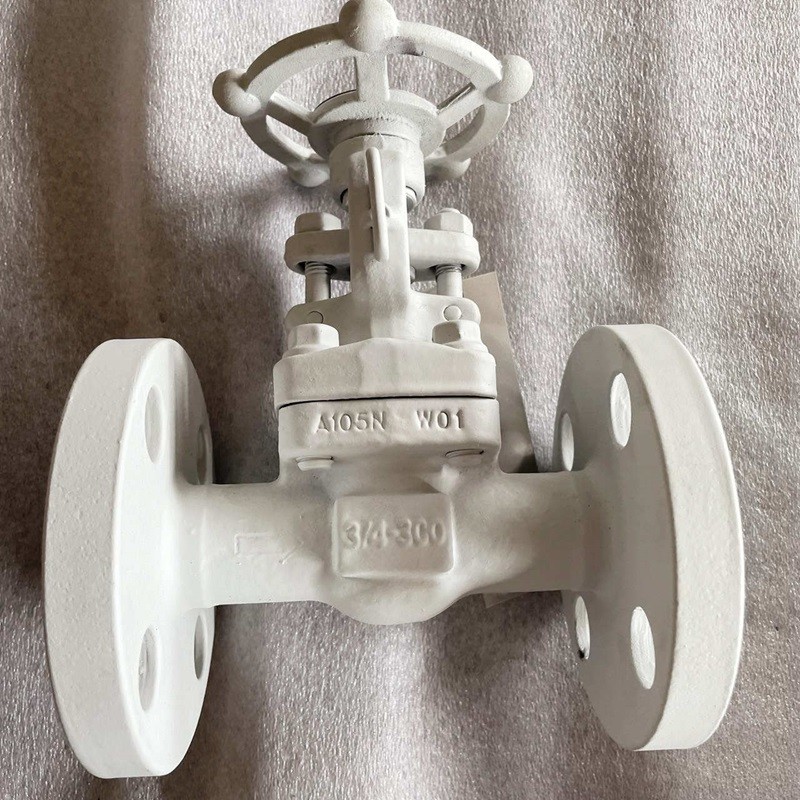
Rising Stem Globe Valve, ASTM A105N, 3/4 Inch, 300 LB, RF
Key Specifications / Features
Explore top-quality Carbon Steel ASTM A105N Globe Valve from a trusted provider. This 3/4 inch valve, designed to meet industry standards DN20, 300 LB, PN50, API 602, features a bolted bonnet, rising stem, and RF flanged ends. Operate effortlessly with the handwheel mechanism. Ideal for various applications, ensuring reliable performance in your system.
Detail Information
Globe valve, carbon steel, 3/4 INCH, 300 LB, A105N, RF, HANDWHEEL.
Valve description:
Globe valve, bolted bonnet, Raised flange, RISING STEM.
Design: API 602.
Body: ASTM A105N
Nominal size: 3/4 Inch.
Nominal class: 300 LB.
End Connection: RF.
Operation: Handwheel
Face to face: ASME B16.10.
Test and inspection: API 598.
Product Range:
Body material: Carbon Steel.
Normal diameter: 1/2 - 32 Inch (DN15 - DN800).
End connection: BW, Flange.
Pressure range: Class 150 - 2500 LB (PN16 - PN420).
Working temperature: -29℃ - +429℃.
Technical parameters and characteristics
Valve description:
Globe valve, bolted bonnet, Raised flange, RISING STEM.
Design: API 602.
Body: ASTM A105N
Nominal size: 3/4 Inch.
Nominal class: 300 LB.
End Connection: RF.
Operation: Handwheel
Face to face: ASME B16.10.
Test and inspection: API 598.
Product Range:
Body material: Carbon Steel.
Normal diameter: 1/2 - 32 Inch (DN15 - DN800).
End connection: BW, Flange.
Pressure range: Class 150 - 2500 LB (PN16 - PN420).
Working temperature: -29℃ - +429℃.
Technical parameters and characteristics
| Product | Globe valve. |
| Nominal diameter | 1/2 Inch - 32 Inch. |
| Design temp. | Down to -29℃. |
| Design pressure | Class 150 - 2500 LB. |
| Material | Carbon Steel. |
| Design standard | API 602. |
| Face to face | ASME B16.10. |
| Operation | Gear, handwheel |
| Connection end | BW, Flange. |
| Test standard | API 598. |
| Package | Plywood |
| Application | The oil and gas industry |
Supplier Information
ZHEJIANG VERVO VALVE CO., LTD
Verified Supplier
浙江丽水
Est. 2020
Certifications:
ISO 9001

ve******ve
1589 article(s)
Comments
Leave a Comment
Related Products
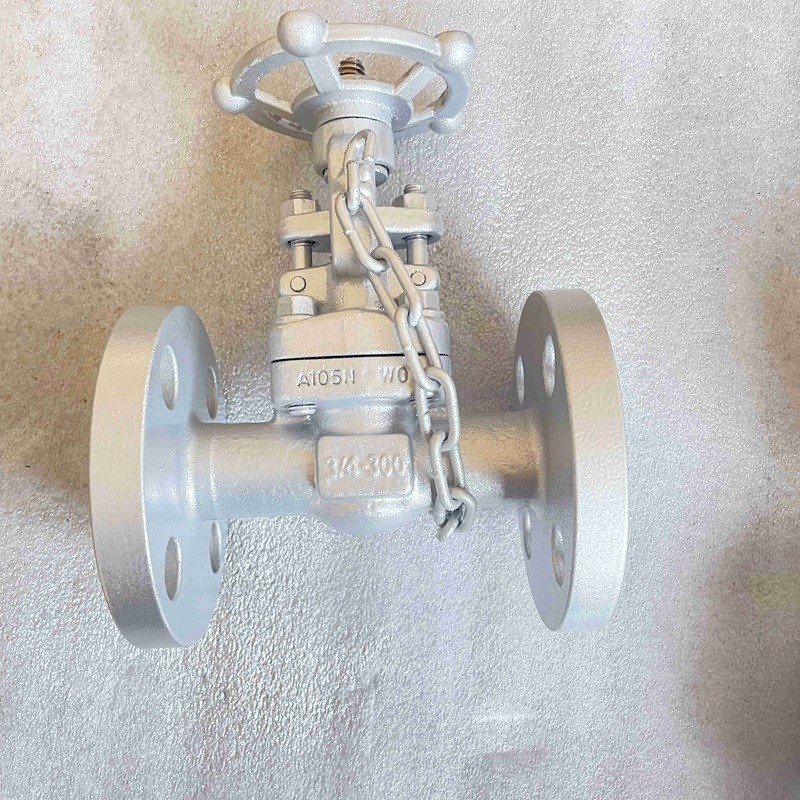
ASTM A105N Globe Valve, API 602, 3/4 Inch, 300 LB, BB, RF
ZHEJIANG VERVO VALVE CO., LTD
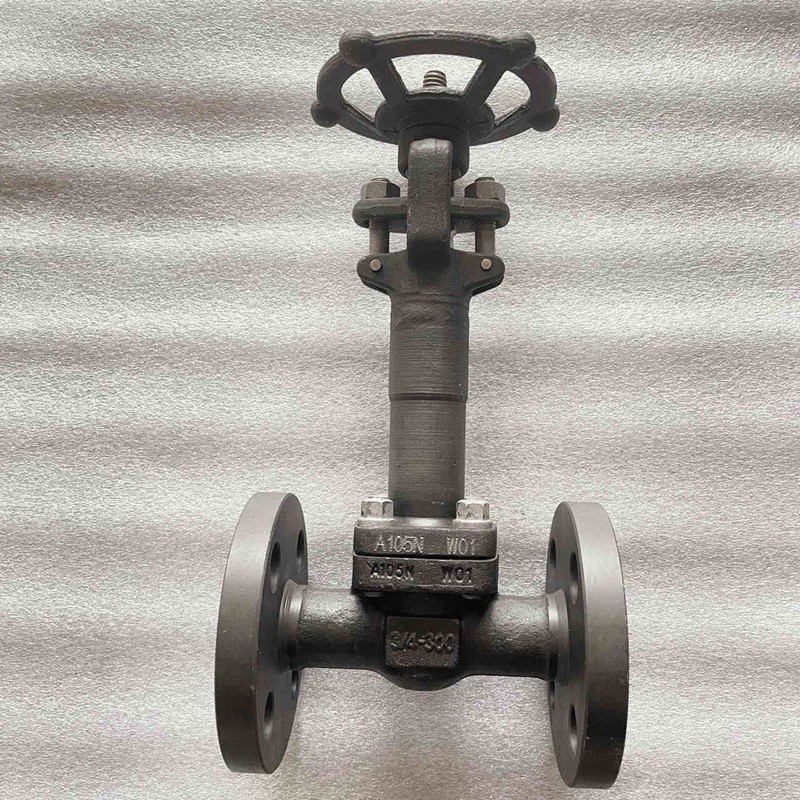
Reduce Bore Globe Valve, ASTM A105N, API 602, 3/4 IN, 300 LB
ZHEJIANG VERVO VALVE CO., LTD
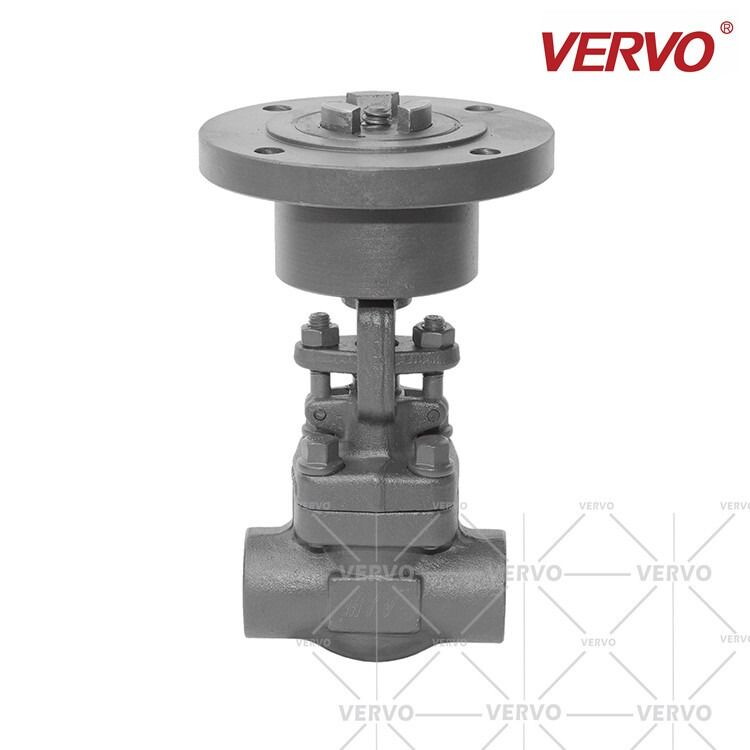
Válvula de cierre de polo desnudo ASTM A105N, API 602,2 pulgadas, 800 libras, suroeste
ZHEJIANG VERVO VALVE CO., LTD
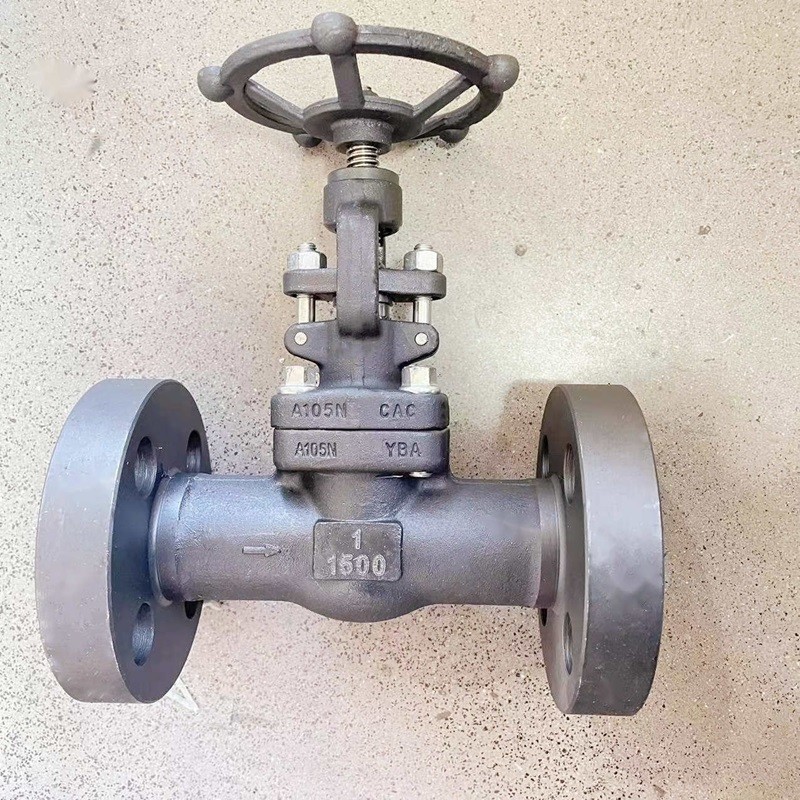
API 602 Globe Valve, 1 Inch, 1500 LB, ASTM A105N, RF Flanged
ZHEJIANG VERVO VALVE CO., LTD