
How to Choose a Cryogenic Valve Manufacturer in China
Introduction
As global demand for liquefied gases continues to rise, cryogenic technology has become a cornerstone of modern energy, chemical, and industrial systems. From LNG terminals and air separation units to pharmaceutical facilities and power plants, cryogenic processes rely heavily on one critical component: the cryogenic valve.
Cryogenic valves are specialized industrial valves designed to operate under extremely low temperatures—typically below -40°C (-40°F), and in many cases down to -196°C (-321°F). At these temperatures, conventional valves fail due to material brittleness, seal leakage, or thermal contraction. Cryogenic valves, by contrast, are engineered to maintain structural integrity, tight sealing, and reliable performance under the harshest low-temperature conditions.
China has emerged as one of the world’s leading manufacturing hubs for cryogenic valves, offering a strong combination of advanced production capabilities, international certifications, competitive pricing, and flexible OEM services. However, with so many suppliers in the market, selecting the right cryogenic valve manufacturer in China requires careful evaluation.
This article provides a comprehensive guide to understanding cryogenic valves, their types, key design considerations, and how to choose a reliable Chinese manufacturer. It also introduces several well-established cryogenic valve manufacturers in China that serve global markets.
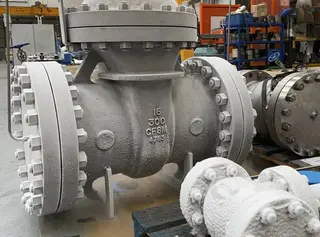
What Is a Cryogenic Valve?
A cryogenic valve is a specially designed valve used to control, isolate, or regulate the flow of cryogenic fluids—liquefied gases stored and transported at extremely low temperatures. Common cryogenic media include:
- Liquefied Natural Gas (LNG)
- Liquid Nitrogen (LN₂)
- Liquid Oxygen (LOX)
- Liquid Argon
- Liquid Helium
- Liquid Hydrogen
Unlike standard industrial valves, cryogenic valves must withstand drastic temperature gradients, repeated thermal cycling, and the unique physical behavior of materials at ultra-low temperatures. Metals shrink, elastomers harden, and lubricants can freeze, making valve design and material selection critical.
Cryogenic valves are widely used in industries such as:
- LNG production, storage, and transportation
- Oil and gas processing plants
- Air separation units (ASUs)
- Chemical and petrochemical plants
- Pharmaceutical and biotechnology facilities
- Power generation and energy infrastructure
Safety is paramount in these applications. Even minor leakage can result in severe hazards, including fire, explosion, or equipment damage. This is why selecting a qualified cryogenic valve manufacturer is essential.
Main Types of Cryogenic Valves Available from Chinese Manufacturers
Leading cryogenic valve manufacturers in China typically offer a full range of valve types to meet diverse application requirements. These include ball valves, gate valves, globe valves, butterfly valves, and check valves, all designed specifically for cryogenic service.
Cryogenic Ball Valves
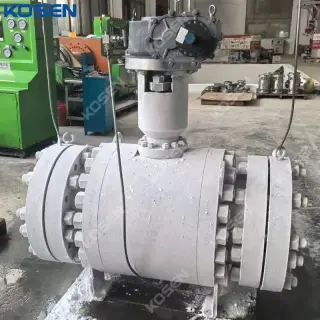
Cryogenic ball valves are among the most commonly used valve types in LNG and industrial gas systems. They provide fast operation, excellent sealing performance, and compact design.
Key advantages include:
- Quarter-turn operation for quick shut-off
- Tight sealing even at ultra-low temperatures
- Suitable for both on/off and emergency isolation
- Available in floating and trunnion-mounted designs
These valves are ideal for LNG terminals, storage tanks, and transfer pipelines where reliability and safety are critical.
Cryogenic Gate Valves
Cryogenic gate valves are designed primarily for isolation purposes. With a full-bore design, they offer minimal flow resistance and are well-suited for applications requiring unrestricted flow.
Typical features:
- Full port design for maximum flow capacity
- Low pressure drop
- Suitable for large-diameter pipelines
- Robust structure for long-term service
They are commonly used in LNG processing facilities, storage systems, and main cryogenic pipelines.
Cryogenic Globe Valves
Cryogenic globe valves are preferred when precise flow regulation is required. Their internal design allows for accurate throttling and control.
Benefits include:
- Excellent flow control capability
- Stable performance under varying pressure conditions
- Suitable for control and balancing applications
- Commonly used in instrumentation and process control lines
- Cryogenic Butterfly Valves
Cryogenic butterfly valves are lightweight, compact, and space-efficient, making them ideal for installations where space and weight are limited.
Advantages:
- Compact face-to-face dimensions
- Lightweight construction
- Lower cost for large diameters
- Easy installation and maintenance
They are widely used in LNG storage tanks, shipbuilding, and modular cryogenic systems.
Cryogenic Check Valves
Cryogenic check valves are essential safety components that prevent backflow in cryogenic pipelines.
Key functions:
- Automatic operation without external power
- Protect pumps and compressors
- Maintain system stability and safety
- Available in swing, lift, and dual-plate designs
Cryogenic Butterfly Valves
Cryogenic butterfly valves are purpose-built valves engineered to control, isolate, and regulate the flow of cryogenic fluids in low-temperature pipeline systems. Designed to operate reliably at extreme temperatures—often as low as –196°C—these valves are significantly different from standard butterfly valves. They are manufactured using materials with excellent low-temperature toughness and feature specialized structural designs that ensure smooth operation, tight sealing, and long-term durability under severe cryogenic conditions.
Widely used in industries such as liquefied natural gas (LNG), liquefied petroleum gas (LPG), air separation units, and other ultra-low-temperature processes, cryogenic butterfly valves play a critical role in maintaining system safety and efficiency. Their robust construction minimizes leakage risks while enabling accurate flow control of ultra-cold media.
Key Specifications:
- Size Range: 3″ to 120″ (DN80 to DN3000)
- Pressure Rating: ASME Class 150–600 (PN20–PN100)
- Body Materials: Stainless steel
- End Connections: Wafer, Lug, RF (Raised Face), BW (Butt Weld)
- Operation Methods: Pneumatic or electric actuators
With their versatile design and multiple configuration options, cryogenic butterfly valves can be seamlessly integrated into a wide range of industrial piping systems while meeting stringent safety and performance standards.
Extended Bonnet Design and Thermal Management
One of the most critical design features of a cryogenic valve is the extended bonnet configuration. Cryogenic valves must be manufactured with extended bonnets or gland extensions long enough to keep the stem packing at a temperature suitable for normal operation.
The extended bonnet serves as a thermal barrier, preventing extreme cold from reaching the packing area. This design ensures:
- Reliable stem sealing
- Reduced risk of packing failure
- Prevention of ice formation
- Extended valve service life
Advanced cryogenic valve designs incorporate sophisticated thermal management solutions, including:
- Optimized bonnet extension length based on thermal analysis
- High-performance insulation materials to minimize heat transfer
- Thermal barriers to protect critical components
- Accommodation for thermal expansion and contraction
Modern manufacturers use computational fluid dynamics (CFD) and finite element analysis (FEA) to simulate thermal gradients along the bonnet. This ensures a stable temperature difference between the cryogenic fluid and the stem packing, even during continuous operation.
In high-end cryogenic control valves, additional features such as integrated heating elements or specialized insulation systems may be used to further enhance performance and reliability.
Pressure Rating and Flow Characteristics in Cryogenic Applications
Cryogenic valves must operate safely across a wide temperature range—from ambient conditions down to extreme cryogenic temperatures—while maintaining their rated pressure capacity. Typically, cryogenic valves are designed to function from their minimum rated temperature up to around 65°C (149°F).
Determining pressure ratings for cryogenic service is more complex than for standard valves. Key factors include:
- Changes in material mechanical properties at low temperatures
- Thermal stress caused by temperature gradients
- Pressure-temperature relationships under cryogenic conditions
- Safety margins for hazardous media
At cryogenic temperatures, materials such as stainless steel exhibit non-linear behavior, requiring careful engineering analysis. Leading Chinese manufacturers apply advanced pressure-temperature calculations and risk-based design methodologies to ensure safe operation.
Flow characteristics must also remain consistent across the entire operating range. For control applications, precise flow coefficients (Cv values) are essential to maintain stable process control. Advanced simulation tools help manufacturers optimize valve sizing and predict performance under various operating scenarios.
Key Factors When Choosing a Cryogenic Valve Manufacturer in China
When selecting a cryogenic valve supplier in China, international buyers should consider several critical factors:
Manufacturing Capability
A reliable manufacturer should have:
Advanced CNC machining equipment
In-house cryogenic testing facilities
Complete production lines for casting, forging, machining, and assembly
Quality Control and Testing
Cryogenic valves must undergo rigorous testing, including:
Low-temperature performance testing
Pressure and shell testing
Seat leakage testing
Material verification and traceability
Certifications and Standards
Look for compliance with international standards such as:
API
ANSI
ASME
DIN
BS
JIS
ISO-certified quality management systems are also essential.
OEM and Customization Capability
Many projects require customized designs. A strong manufacturer should support:
OEM and ODM services
Custom materials and dimensions
Project-specific technical solutions
Export Experience and After-Sales Support
Manufacturers with global export experience understand international project requirements and can provide:
Professional technical documentation
Timely delivery
Responsive after-sales service
Leading Cryogenic Valve Manufacturers in China
Zhejiang Vervo Valve Co., Ltd.
Zhejiang Vervo Valve Co., Ltd. is one of the largest and most established industrial valve manufacturers in China, with a strong specialization in cryogenic valves. Vervo produces a comprehensive range of valves, including cryogenic ball valves, cryogenic globe valves, gate valves, check valves, butterfly valves, and special-purpose valves.
The company serves markets across North America, South America, Europe, the Middle East, Africa, Southeast Asia, and Oceania. Vervo’s valves undergo strict quality control procedures, including low-temperature testing, pressure testing, and material verification, ensuring compliance with international standards.
With a focus on safety, durability, and precision, Vervo is widely recognized as a reliable supplier for critical cryogenic applications.
Baltic Valve Co., Ltd.
Baltic Valve Co., Ltd. has over 15 years of experience in the valve industry and is known for its professional technical support and stable product quality. The company supplies cryogenic ball valves, gate valves, globe valves, and check valves to customers in South America, Europe, South Africa, and the Middle East.
Baltic Valve operates with a well-structured management system, experienced technicians, and strict inspection procedures. Every valve is carefully inspected before delivery to ensure dependable performance in cryogenic service.
KOSEN Valve Co., Ltd.
KOSEN Valve Co., Ltd. is a top-tier Chinese valve manufacturer offering a wide range of industrial valves, including cryogenic valves. Equipped with advanced CNC machinery and a skilled engineering team, KOSEN emphasizes rigorous quality control and efficient production.
The company offers fast delivery, multiple material options such as stainless steel and carbon steel, and comprehensive after-sales support. KOSEN provides an 18-month warranty, 24-hour technical assistance, and on-site guidance, making it a trusted partner for international projects.
Xiamen Weldon Valves Co., Ltd.
Xiamen Weldon Valves Co., Ltd. specializes in the design, manufacturing, and development of industrial valves, including cryogenic valves. The company offers a broad product range covering sizes from 1/2" to 60" and pressure classes from 150 LB to 2500 LB.
Weldon Valves strictly follows ANSI, API, BS, DIN, and JIS standards. With a professional training system and experienced inspection team, all valves are 100% inspected before shipment. Weldon is known for providing tailored valve solutions for different pipeline and process conditions.
Conclusion
Choosing the right cryogenic valve manufacturer in China is a strategic decision that directly impacts system safety, efficiency, and long-term reliability. Cryogenic valves operate under some of the most demanding conditions in modern industry, making engineering expertise, quality control, and proven experience essential.
By understanding cryogenic valve types, critical design features such as extended bonnets and pressure ratings, and evaluating manufacturers based on capability, certification, and global experience, buyers can confidently select a supplier that meets their project requirements.
With a growing number of high-quality manufacturers offering advanced cryogenic valve solutions, China remains a key global source for reliable, cost-effective cryogenic valves for LNG, industrial gas, and energy applications.
Previous: How to Choose a Reliable China Forged Steel Valve Manufacturer
