How to Find Reliable China Electric Ball Valve Manufacturers
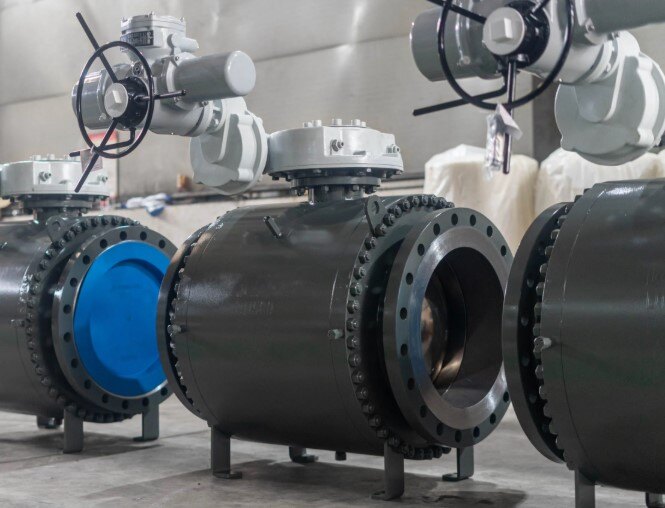
In modern industrial systems, electric ball valves play an essential role in controlling the flow of liquids and gases with precision and reliability. As automation continues to expand across industries such as water treatment, oil and gas, HVAC, and chemical processing, the demand for high-quality electric ball valves has increased significantly. These valves are widely used because they combine simple mechanical structure with electric control, making them efficient, stable, and easy to operate.
China has become one of the most important manufacturing centers for electric ball valves, offering a wide range of suppliers with different levels of production capability and quality standards. However, not all manufacturers provide the same level of reliability. Differences in materials, manufacturing processes, quality control systems, and technical support can directly affect valve performance and long-term system safety. For this reason, selecting a reliable electric ball valve manufacturer is a key decision that can impact operational efficiency, maintenance costs, and overall project success.
An electric ball valve is a type of valve that uses an electric actuator to rotate a ball inside the valve body. The ball has a hole in the center. When the hole lines up with the pipe, fluid or gas can flow through. When the ball rotates 90 degrees, the flow stops. This simple mechanism allows for quick and precise control of liquids and gases in industrial systems.
These valves are used in many industries, including heating and cooling systems (HVAC), water treatment, chemical processing, oil and gas, and industrial automation. They are valued because they provide accurate flow control, fast response times, and reliable sealing performance. In modern industrial systems, they help improve efficiency, safety, and reduce the need for manual operation.
Because electric ball valves play a critical role in system performance, choosing a reliable manufacturer is important. A poorly made valve can cause leakage, system failure, or safety hazards. This can lead to production downtime, high repair costs, and safety risks. Therefore, buyers should focus on finding manufacturers that produce high-quality products and provide strong technical support.

When searching for a reliable electric ball valve manufacturer in China, buyers should evaluate several important factors. These factors help determine whether a manufacturer can meet quality requirements and provide dependable service over time.
Product quality is the most important factor. A valve must withstand pressure changes, temperature variations, and sometimes corrosive materials. High-quality valves are made from durable materials such as stainless steel or carbon steel. These materials resist corrosion and maintain mechanical strength under demanding conditions.
Buyers should check whether the manufacturer uses precision machining processes. Precision machining ensures that valve parts fit together correctly, which reduces the risk of leakage and extends service life. Manufacturers should also use high-quality sealing materials that match the intended application.
Certifications indicate that a manufacturer follows recognized quality and safety standards. Common certifications include:
- ISO 9001: This certification shows that the manufacturer has a quality management system in place.
- CE: This mark indicates that products meet European health, safety, and environmental protection standards.
- API: This certification is important for valves used in oil and gas applications. It ensures that products can perform safely under harsh conditions.
- ANSI/ASME: These standards relate to valve dimensions, pressure ratings, and material specifications.
Buyers should verify that certifications are genuine. Some manufacturers may claim to have certifications that they do not actually hold. Requesting copies of certificates and checking them with the issuing organizations can help confirm their validity.
Manufacturers with many years of experience often have better production capabilities and more stable product quality. Experienced manufacturers have usually solved many technical problems over time and have refined their production processes. They are also more likely to understand the specific needs of different industries and applications.
Buyers should ask how long the manufacturer has been in business and what types of projects they have completed. A manufacturer with a long history of serving industries similar to yours may be better equipped to meet your requirements.
A reliable manufacturer should do more than just sell products. They should provide technical guidance to help buyers select the right valve specifications. This includes recommending appropriate materials, pressure ratings, connection types, and actuator configurations based on the operating conditions.
Technical support should continue after the sale. Manufacturers should offer assistance with installation, troubleshooting, maintenance, and spare parts supply. Strong technical support reduces downtime and helps resolve operational problems quickly.
Buyers should understand how the manufacturer controls quality during production. Reliable manufacturers conduct inspections at multiple stages of production, including incoming material inspection, in-process inspection, and final inspection before shipment.
Key tests for electric ball valves include:
- Pressure testing: This verifies that the valve can withstand the rated pressure without leaking or failing.
- Leakage testing: This checks whether the valve seals properly when closed.
- Performance testing: This confirms that the actuator operates correctly and that the valve opens and closes as specified.
Some manufacturers also use third-party inspection agencies to verify product quality. Requesting third-party inspection reports adds an extra layer of confidence.
Price is an important consideration, but the lowest price does not always provide the best value. Some manufacturers reduce costs by using inferior materials or skipping quality control steps. This can result in valves that fail prematurely, require frequent maintenance, or cause system downtime.
Buyers should compare prices from multiple manufacturers, but they should also consider the total cost of ownership. A higher-quality valve may cost more upfront but can save money over time by reducing maintenance, replacement, and downtime costs. Chinese manufacturers often offer flexible pricing and discounts for bulk orders, so negotiation is common.
On-time delivery is critical for project schedules. Delayed shipments can disrupt construction timelines, increase labor costs, and affect overall project completion. Buyers should ask about the manufacturer's typical lead times and their track record for meeting delivery deadlines.
Manufacturers with strong production management systems and good supply chain relationships are generally more reliable. Buyers should also confirm whether the manufacturer can handle large or urgent orders if needed.
Clear and responsive communication is essential for a successful business relationship. Manufacturers that respond quickly to inquiries, provide clear technical information, and offer timely updates are easier to work with. Poor communication can lead to misunderstandings, incorrect specifications, and project delays.
Buyers should evaluate communication during the initial inquiry phase. If a manufacturer is slow to respond or provides vague answers, this may indicate problems later in the relationship.
Feedback from previous buyers provides valuable information about a manufacturer's actual performance. Reviews can reveal details about product quality, delivery consistency, after-sales support, and overall customer satisfaction.
Buyers should look for reviews on industry forums, trade platforms, and business directories. However, they should analyze reviews carefully, as some may not fully reflect real performance. Contacting previous customers directly or requesting references from the manufacturer can provide more reliable information.
After-sales support includes warranty services, technical guidance, troubleshooting assistance, and spare parts availability. A manufacturer that provides strong after-sales support helps customers resolve problems quickly and maintain system operation.
Buyers should ask about warranty terms, response times for technical support, and availability of spare parts before placing an order.
To ensure a systematic and efficient selection process, buyers should follow a structured set of steps when identifying and evaluating potential manufacturers. Instead of relying on appearance, price, or initial communication alone, a step-by-step approach helps verify real production capability, quality consistency, and long-term reliability. This process also reduces procurement risks and ensures that the selected supplier can meet both technical requirements and delivery expectations. By combining online research, technical verification, sample testing, and real-world feedback, buyers can make a more informed and confident decision before entering into long-term cooperation.
Start by searching for electric ball valve manufacturers in China using business directories, trade platforms, and search engines. Useful platforms include Alibaba, Made-in-China, Global Sources, and industry-specific directories. Create a list of potential manufacturers based on their product range, location, and initial presentation.
Visit the manufacturers' official websites to learn about their history, product range, certifications, and production capabilities. Look for detailed product specifications, quality control information, and contact details. A professional website with clear information is often a positive sign.
Request copies of relevant certifications and verify their authenticity. Contact the issuing organizations if necessary. Be cautious of manufacturers that cannot provide clear documentation or that offer excuses for missing certificates.
Ask for product samples to evaluate quality directly. Inspect the samples for material quality, machining precision, surface finish, and overall construction. Test the samples if possible to check performance under operating conditions.
Request contact information for previous customers, especially those in your industry or region. Speaking directly with existing customers provides honest feedback about the manufacturer's strengths and weaknesses.
If available, ask for inspection reports from independent testing agencies. These reports provide objective verification of product quality and compliance with standards.
Contact the manufacturer's sales or technical team with specific questions about your application. Assess how well they understand your requirements and how clearly they explain technical details. Good technical communication indicates that the manufacturer can provide appropriate product recommendations and support.
For large or critical orders, visiting the manufacturer's factory is highly recommended. A factory visit allows you to observe production facilities, quality control processes, and overall working conditions firsthand. It also provides an opportunity to meet the team and assess their professionalism.
If an in-person visit is not possible, request a virtual factory tour via video call. Many manufacturers are willing to provide this service.
Do not rely on a single manufacturer. Compare at least three to five manufacturers based on the factors outlined above. Create a comparison table to organize information about quality, price, certifications, lead time, and support. This structured approach helps identify the best overall value.
Before placing a large bulk order, consider starting with a smaller trial order. This allows you to evaluate actual product quality, delivery performance, and customer service with lower risk. If the trial order is satisfactory, you can proceed with larger orders with greater confidence.
While the evaluation process helps identify capable suppliers, sourcing electric ball valves from China can still involve several practical challenges. These issues are often not obvious at the early stage of communication or quotation comparison, but they can significantly affect product quality, project timelines, and overall procurement costs if not properly managed. Therefore, it is important for buyers to understand these potential risks in advance and take preventive measures during supplier selection, contract negotiation, and order execution.
Some manufacturers produce high-quality samples but fail to maintain the same standard for bulk orders. To avoid this, specify quality requirements clearly in the contract, request pre-shipment inspections, and work with manufacturers that have strong quality management systems.
Some suppliers may claim certifications that are expired, fake, or not applicable to the specific product. Always verify certifications independently and request current copies with valid dates.
Low quoted prices may not include shipping, customs duties, taxes, or additional fees. Request detailed quotations that break down all costs. Understand the Incoterms used (such as FOB, CIF, or EXW) to know who is responsible for shipping and insurance costs.
Language differences and time zone gaps can cause communication problems. Work with manufacturers that have English-speaking staff or employ professional translators. Use clear, simple language in written communications and confirm understanding of important details.
If your valve design includes proprietary technology, take steps to protect your intellectual property. Use non-disclosure agreements (NDAs) and work with manufacturers that respect intellectual property rights.
China has become one of the largest manufacturing centers for electric ball valves. The market includes a wide range of manufacturers, from large companies with advanced production facilities to smaller suppliers focused on low-cost production.
Large manufacturers often have better quality control, more certifications, and stronger technical capabilities. They can handle complex orders and provide comprehensive after-sales support. Smaller manufacturers may offer lower prices but may have limited quality assurance and technical resources.
The Chinese market benefits from lower production costs, shorter lead times, and strong domestic supply chains. However, buyers must be aware that not all manufacturers maintain the same standards. Differences in production capabilities can significantly affect valve performance and service life.
Market trends in China show increasing demand for automation, energy efficiency, and advanced control systems. Many manufacturers are investing in new production technologies and employee training to improve quality and competitiveness.
Finding a reliable electric ball valve manufacturer in China requires careful research and systematic evaluation. Buyers should focus on product quality, certifications, manufacturing experience, technical support, quality control, pricing, delivery reliability, communication, reputation, and after-sales service.
The process involves multiple steps: conducting online research, reviewing company profiles, verifying certifications, requesting samples, checking references, evaluating technical communication, visiting factories, comparing options, and starting with small orders. Buyers should also be aware of common challenges such as quality inconsistency, misleading certifications, hidden costs, communication barriers, and intellectual property concerns.
By taking a thorough and structured approach, buyers can identify trustworthy manufacturers that provide high-quality electric ball valves. This helps ensure stable system operation, reduces long-term costs, and builds strong business relationships for future projects.
