How to Find Reliable Double Offset Butterfly Valve Suppliers from China
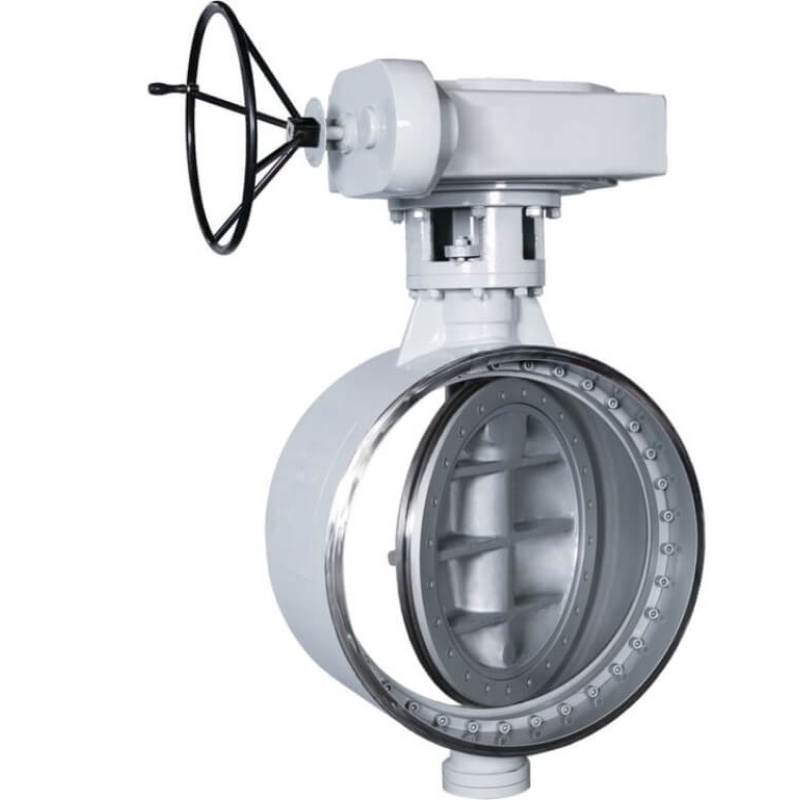
In today's global industrial supply chain, the demand for efficient, durable, and cost-effective flow control equipment continues to rise. Among these components, the double offset butterfly valve has become a preferred choice across industries such as oil and gas, water treatment, power generation, chemical processing, and marine engineering. As international buyers increasingly turn to China for sourcing, understanding how to identify reliable double offset butterfly valve suppliers has become essential for ensuring product quality, project safety, and long-term operational efficiency.
However, the Chinese manufacturing landscape is vast and highly diverse. It includes world-class valve manufacturers with advanced engineering capabilities as well as small workshops with inconsistent quality control. This makes supplier selection a critical step rather than a simple purchasing decision. This article provides a comprehensive guide to understanding double offset butterfly valves and how to evaluate and select trustworthy double offset butterfly valve suppliers in China.
A double offset butterfly valve is an advanced type of quarter-turn valve designed to improve sealing performance, reduce wear, and enhance operational efficiency compared to traditional concentric or single-offset butterfly valves.
The "double offset" refers to two specific geometric modifications:
The first offset shifts the valve shaft away from the centerline of the valve body. This reduces continuous friction between the disc and the seat during opening and closing operations.
The second offset moves the shaft away from the pipe's centerline. This allows the disc to rotate with minimal interference, reducing contact with the seat until the final stages of closure.
Together, these two offsets create a cam-like motion that dramatically improves valve performance. The disc only contacts the seat during the final few degrees of closure, minimizing wear and extending service life.
Most double offset butterfly valves use soft seats such as PTFE or reinforced elastomers, though metal-seated designs are also available for high-temperature or abrasive media applications.
In industrial practice, double offset butterfly valves are also referred to as high-performance butterfly valves due to their ability to handle higher pressures and more demanding operating conditions compared to standard butterfly valve designs.

The operating principle of a double offset butterfly valve is based on a rotational disc mechanism that follows a precise sealing path.
When the valve begins to close, the disc remains largely free of contact with the seat. This is due to the offset shaft design, which ensures that friction is minimized during most of the rotation cycle. As the valve approaches closure, typically within the last 1° to 3° of rotation, the disc engages with the seat in a controlled, cam-like motion.
This mechanism provides several engineering advantages:
- Reduced torque requirements: Less force is needed to operate the valve.
- Minimal seat wear: The disc avoids continuous scraping against the seat.
- Improved sealing reliability: Final closure is tight and consistent.
- Longer service life: Reduced mechanical stress extends operational lifespan.
Additionally, the double offset design allows for better control in throttling applications, making these valves suitable for both isolation and flow regulation tasks.
China has become a global hub for industrial valve manufacturing due to several key advantages:
Modern Chinese valve factories are equipped with CNC machining centers, automated casting lines, and precision testing systems. Many facilities comply with international standards such as API, ANSI, DIN, and ISO.
Lower production costs allow Chinese manufacturers to offer high-performance valves at significantly more competitive prices compared to European or American suppliers.
Many Chinese valve manufacturers have decades of export experience and understand international documentation, certifications, and shipping requirements.
Suppliers offer a broad range of materials including ductile iron, carbon steel, stainless steel, duplex stainless steel, and specialty alloys.
OEM and ODM services are widely available, allowing buyers to customize valve size, pressure class, coating, and sealing materials.
Despite these advantages, quality levels can vary significantly between suppliers, making careful evaluation essential.
Before selecting a supplier, it is important to understand where these valves are commonly used:
Oil and Gas Industry
Used in upstream, midstream, and downstream operations for controlling hydrocarbon flow under high pressure conditions.
Water Treatment Plants
Ideal for regulating clean water, wastewater, and sludge systems due to corrosion resistance and reliable sealing.
Power Generation
Used in cooling water systems, steam applications, and auxiliary piping networks.
Chemical Processing
Handles corrosive fluids and aggressive chemicals with appropriate material selection.
Marine and Offshore Systems
Suitable for seawater applications due to corrosion-resistant materials such as duplex stainless steel or bronze alloys.
Selecting the right supplier is the most important step in ensuring product performance and long-term reliability. Below are key evaluation criteria:
A reliable supplier should have internationally recognized certifications such as:
- ISO 9001 (Quality Management System)
- API 609 compliance for butterfly valves
- CE certification for European markets
- ISO 14001 (Environmental Management)
Certifications indicate that the manufacturer follows standardized production and quality control processes.
A strong supplier should demonstrate engineering expertise in:
- Double offset design optimization
- Seat material selection (PTFE, RTFE, metal seated options)
- Pressure class design (Class 150 to Class 600 or higher)
- Flow coefficient (Cv) optimization
Suppliers with in-house engineering teams are generally more reliable than trading companies.
Modern production equipment is essential for precision valve manufacturing. Look for suppliers with:
- CNC machining centers
- Automated casting facilities
- Precision assembly lines
- Advanced testing systems (hydrostatic, pneumatic, torque testing)
Poor equipment often leads to inconsistent valve performance and early failure.
A trustworthy supplier should have strict quality control at every stage:
- Raw material inspection
- Casting quality testing (X-ray or ultrasonic testing)
- Dimensional inspection
- Seat leakage testing
- Pressure testing before shipment
Requesting test reports is a good way to verify compliance.
Experience matters significantly in valve manufacturing. Suppliers with 10+ years of production experience are more likely to understand complex engineering requirements and international standards.
Experienced manufacturers also tend to offer better after-sales support and technical consultation.
A reliable Chinese supplier should have experience exporting to major markets such as:
- Europe
- North America
- Middle East
- Southeast Asia
Export experience ensures familiarity with documentation such as:
- Certificates of Origin
- Inspection certificates
- Packing lists
- Compliance declarations
Before placing bulk orders, always request:
- Product samples
- Detailed technical drawings
- Material specifications
- Pressure test reports
This allows buyers to verify product quality before committing to large-scale procurement.
Material selection directly affects valve performance. Common materials include:
- ASTM A216 WCB (carbon steel)
- ASTM A351 CF8/CF8M (stainless steel)
- Duplex stainless steel (for corrosion resistance)
- Bronze or special alloys for marine use
Ensure suppliers provide mill test certificates (MTC) for traceability.
Reliable suppliers respond quickly and provide clear technical explanations. Poor communication often indicates weak engineering capability or lack of professionalism.
While price is important, extremely low pricing may indicate:
- Inferior materials
- Lack of testing procedures
- Outsourced manufacturing
A balanced evaluation between price, quality, and service is essential.
Many buyers make avoidable mistakes when sourcing from China:
Focusing Only on Price
Low-cost valves may lead to higher long-term maintenance costs or system failures.
Ignoring Certifications
Without proper certifications, product reliability cannot be guaranteed.
Not Verifying Factory Capability
Some trading companies misrepresent themselves as manufacturers.
Skipping Sample Testing
Bulk purchasing without testing samples can result in costly project delays.
Choosing a dependable double offset butterfly valve supplier provides several advantages:
- Stable product quality
- Longer valve service life
- Reduced maintenance costs
- Technical support for complex applications
- On-time delivery for large projects
- Compliance with international standards
Finding a reliable double offset butterfly valve supplier from China requires more than just comparing prices. It involves a careful evaluation of manufacturing capability, certifications, engineering expertise, quality control systems, and export experience.
As industries continue to demand higher performance and more durable flow control solutions, the importance of selecting the right supplier becomes even more critical. A well-chosen manufacturing partner not only ensures reliable valve performance but also contributes to the overall safety, efficiency, and success of industrial operations.
By following a structured evaluation process and focusing on long-term value rather than short-term cost, global buyers can confidently source high-quality double offset butterfly valves from China and build sustainable supply chain partnerships.
