How to Find Top Pneumatic Ball Valve Manufacturers in China
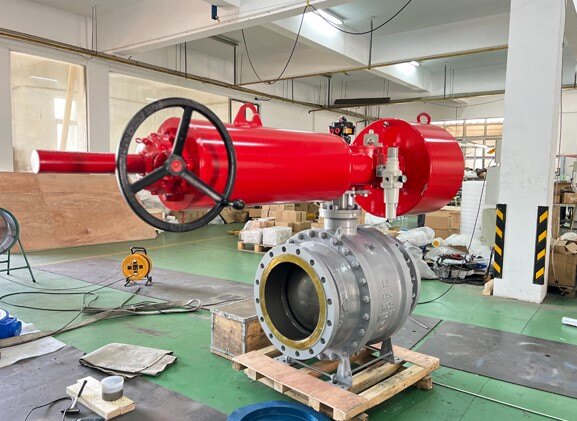
Pneumatic ball valves are critical components in industrial systems, providing precise control over fluid flow while supporting efficiency and safety across sectors such as oil and gas, water treatment, chemical processing, and power generation. Their simple yet robust design—a spherical disc that rotates to open or close a flow path—offers reliable performance with minimal complexity. However, the performance and longevity of pneumatic ball valves are not just determined by their body or seat design; the actuator plays an equally pivotal role. Selecting an actuator that matches operating pressure, flow requirements, and temperature conditions is essential. An undersized or mismatched actuator can lead to delayed operations, inefficiencies, or even system failures.
Regular maintenance is equally vital. Inspecting seals, lubricating moving parts, and monitoring operational performance ensures the valves maintain their reliability over time. Investing in high-quality valves and compatible actuators tailored to your operational environment reduces long-term costs, enhances system uptime, and supports continuous industrial performance.
When sourcing pneumatic ball valves, understanding valve types and materials is critical to making informed purchasing decisions. The two primary types include:
- Two-way ball valves: These control flow between a single inlet and a single outlet, offering simplicity, low maintenance, and reliable performance for most standard applications.
- Three-way ball valves: These valves allow diversion between multiple outlets, offering greater flexibility for complex systems requiring flow redirection or mixing.
Material selection is equally important. Common options include:
- Stainless steel: Highly durable and resistant to corrosion, ideal for harsh environments, chemical processing, and high-pressure applications.
- Brass: Cost-effective and commonly used for water and low-pressure systems, but more prone to corrosion over time.
- Plastics (PVC, CPVC, or reinforced polymers): Lightweight and corrosion-resistant, suitable for low-pressure or chemically aggressive fluids.
Actuator type also influences performance. Pneumatic actuators provide rapid response and can handle high-speed operations, while electric actuators offer precise control, programmability, and low noise. Selecting the right combination requires careful analysis of operational demands, environmental conditions, and past experience.

When purchasing valves in bulk, the cost-quality balance becomes a critical factor. Low-cost valves may seem attractive initially but often compromise durability and operational reliability, leading to higher maintenance expenses, frequent replacements, and unexpected downtime. On the other hand, high-quality valves, though initially more expensive, provide long-term reliability, reduce operational interruptions, and lower total cost of ownership.
Supplier reliability is another essential consideration. Evaluate potential manufacturers based on customer references, case studies, response times, and service capabilities. A responsive supplier ensures smooth procurement, timely deliveries, and support for operational issues, forming the foundation for long-term partnerships built on trust.
Safety, environmental standards, and regulatory compliance are non-negotiable when sourcing valves. Pneumatic ball valves should comply with international standards such as ISO, CE, API, or ASME. Certification ensures that the valves meet performance, safety, and environmental requirements. Using non-certified valves may save costs in the short term but introduces long-term risks, including operational hazards and potential regulatory violations. Always verify certificates, including quality management standards (ISO 9001), material traceability, and product performance tests.
Choosing the right manufacturer is arguably the most important step when sourcing valves. A single mistake—selecting a substandard supplier—can compromise operational safety, efficiency, and long-term cost-effectiveness. Reputable manufacturers ensure high-quality valves, regulatory compliance, and consistent performance. Key Factors to Consider:
- Certifications and Standards: Ensure the manufacturer meets ISO, ASME, API, or CE requirements. This guarantees adherence to strict manufacturing guidelines, material quality, and operational reliability.
- Reputation and Experience: Evaluate customer reviews, testimonials, case studies, and previous projects. Established manufacturers have a proven track record and are more likely to deliver reliable valves tailored to your industry needs.
- Customization and Flexibility: Top manufacturers offer tailored solutions, including adjustable end connections, specialized materials, and designs for chemical, hydraulic, or high-temperature applications. Customization ensures optimal integration into existing systems and maximizes operational efficiency.
- Material Expertise: The manufacturer should offer a variety of metals, alloys, and plastics, providing detailed material specifications. Factors such as corrosion resistance, mechanical properties, and chemical compatibility are critical for performance and longevity.
- Export Experience: International clients benefit from manufacturers experienced in global shipping, customs procedures, and compliance with international regulations. This ensures smooth logistics and reduces risk during transportation.
- Production Capacity and Lead Time: Assess whether the manufacturer can meet your volume requirements and deadlines. A capable manufacturer can scale production for urgent demands without compromising quality.
- Technical Support and After-Sales Service: Strong support includes installation guidance, troubleshooting, warranty services, availability of spare parts, and operator training. This ensures reliable operation and reduces downtime.
- Pricing Considerations: While price is important, it should not compromise quality. A higher initial investment in a reputable manufacturer often results in lower long-term costs due to reduced maintenance, longer product life, and reliable service.
Finding reliable suppliers requires research, verification, and sometimes professional assistance. Here’s a practical approach:
- Online Research: Begin with search engines like Google or Bing. Be aware that many results are resellers rather than direct manufacturers. Check company websites for certifications, product range, and technical capabilities.
- Engage Sourcing Agents: Professional sourcing agents can identify verified manufacturers efficiently, leveraging local networks and industry expertise. They assist with negotiations, quality control, logistics, and communication, bridging language and cultural gaps.
- Supplier Verification: Confirm the manufacturer’s technical expertise, production capacity, and quality management practices. Factory visits or audits, when feasible, provide assurance of capabilities and process control.
- Request Samples: Test product quality before committing to bulk purchases. Evaluate performance under operational conditions, checking for seal integrity, response speed, and durability.
- Communication and Responsiveness: Clear, consistent communication ensures that requirements are understood, timelines are met, and any potential issues are resolved promptly. This reduces risks in bulk procurement.
- Quality Inspections: Regular factory inspections or third-party audits prevent production errors and confirm compliance with specifications. This is essential for high-risk industries like oil, gas, and chemical processing.
- Negotiate Contracts: Include warranty terms, lead times, technical support, and quality assurance in agreements. Clear contracts reduce misunderstandings and safeguard long-term collaboration.
Sourcing pneumatic ball valves from China involves more than finding the lowest price—it requires careful evaluation of quality, materials, certifications, manufacturer experience, production capacity, technical support, and long-term reliability. High-quality valves paired with compatible actuators ensure operational efficiency, safety, and system longevity.
Engaging experienced manufacturers and, where necessary, professional sourcing agents ensures that procurement is smooth, reliable, and compliant with international standards. By investing time and effort into selecting the right manufacturer, industries can reduce long-term costs, minimize downtime, and establish sustainable, reliable partnerships that support growth and operational excellence.
Kosen Valve Co., Ltd. is a professional industrial valve manufacturer headquartered in Oubei, Zhejiang, China, specializing in the research, development, production, sales, and after-sales service of a comprehensive range of valves, including ball, gate, globe, check, butterfly, plug valves, and pipe strainers. Operating from a facility spanning several thousand square meters and equipped with advanced CNC machining and testing equipment, Kosen produces valves from ½″ to 40″ with pressure ratings from Class 150 to 2500 LB and temperature capabilities from -196 °C to 570 °C. Serving global markets such as oil and gas, chemical processing, power generation, natural gas, and aerospace, Kosen emphasizes strict quality control aligned with international standards, offers customizable solutions, rapid delivery, and dedicated technical support, all backed by certifications including ISO 9001 and CE to ensure reliable performance and customer satisfaction.
Baltic Valve Co., Ltd. is a China-based industrial valve manufacturer headquartered in Xiamen, Fujian, with over 15 years of experience supplying valves to Europe, South America, the Middle East, Africa, and beyond. The company specializes in ball, gate, globe, check, plug, butterfly, and marine valves, as well as forged steel valves, strainers, gearboxes, flanges, and fittings. Baltic produces valves in various materials and international standards such as ANSI, DIN, and JIS, covering both small and large industrial specifications. With strict quality control, 100 % pre-shipment testing, and management systems aligned with ISO 9001 and ISO 14001, Baltic combines competitive pricing and responsive after-sales support to serve industries including oil & gas, petrochemical, hydropower, maritime, and construction.
Bosseal Valve (Suzhou) Co., Ltd. is a professional industrial valve manufacturer founded in 2013 and based in Suzhou, China, specializing in high-performance valves designed to meet international standards such as API, ASME, ISO, DIN, BS, and EN. Bosseal’s product portfolio includes ball valves (floating, trunnion-mounted, and double block & bleed configurations), gate valves, globe valves, check valves, butterfly valves, plug valves, strainers, and related valve components in materials such as cast steel, forged steel, stainless steel, and alloys. Focusing on precision manufacturing, advanced engineering, strict quality control, and customizable solutions, Bosseal provides clients worldwide with tested, certificated products backed by warranties, responsive technical support, and flexible delivery options, serving sectors such as oil & gas, chemical, marine, power, and water treatment.
