How to Choose Forged Steel Check Valve Suppliers from China
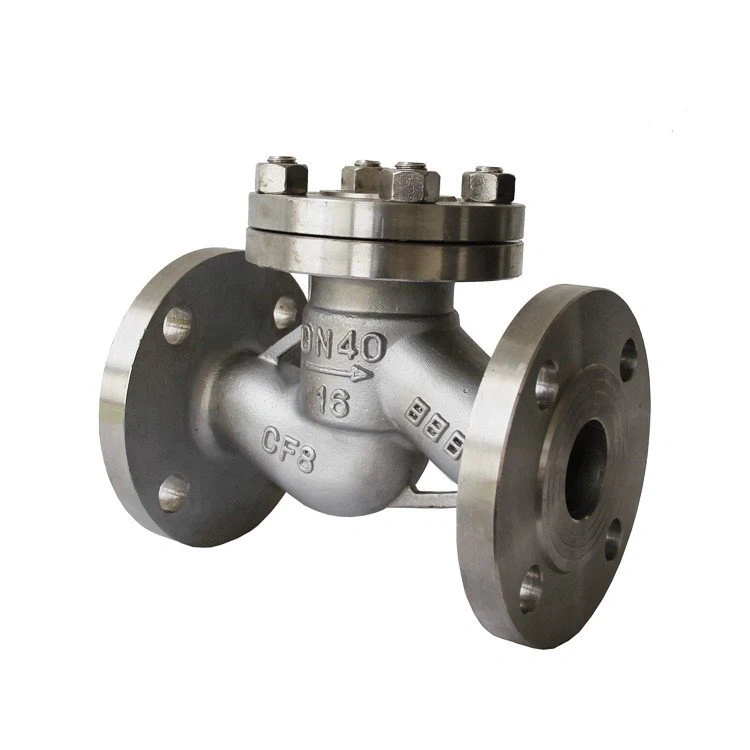
Forged steel check valves play a vital role in industrial piping systems by preventing reverse flow and protecting pumps, compressors, pipelines, and other equipment from potential damage caused by backflow. These valves are widely used in industries such as oil and gas, petrochemical, chemical processing, power generation, marine engineering, water treatment, and industrial manufacturing because of their high-pressure resistance, durability, and reliable sealing performance.
As global industrial demand continues to grow, China has become one of the world's leading manufacturing hubs for forged steel check valves. Chinese valve manufacturers are recognized for their extensive production capabilities, competitive pricing, advanced machining technologies, and broad product ranges. Many suppliers now provide products that comply with international standards such as API, ASME, ANSI, DIN, BS, ISO, and CE certifications.
However, choosing the right forged steel check valve supplier from China requires careful evaluation. Buyers must consider not only product pricing but also manufacturing quality, technical capability, certifications, delivery reliability, and after-sales support. Selecting the wrong supplier may lead to equipment failure, increased maintenance costs, operational downtime, and safety risks.
This article explores the different types of forged steel check valves, important selection considerations, key evaluation factors when choosing Chinese suppliers, quality standards, manufacturing capabilities, maintenance recommendations, and an overview of leading forged steel check valve manufacturers in China.
A forged steel check valve is an automatic valve designed to permit fluid flow in one direction while preventing reverse flow. Unlike manually operated valves, check valves function automatically based on system pressure and flow conditions.
Forged steel construction provides superior mechanical strength, enhanced pressure resistance, and improved durability compared to cast valve designs. These valves are commonly used in high-pressure and high-temperature environments where reliability and safety are critical.
The forging process enhances material density and structural integrity, reducing internal defects and improving overall valve performance under demanding service conditions.

Forged steel check valves offer several advantages that make them highly suitable for industrial applications.
Forged steel materials provide excellent mechanical strength and resistance to pressure, impact, and thermal stress. This allows the valves to perform reliably under severe operating conditions.
These valves are designed to handle high-pressure systems commonly found in oil refineries, steam systems, chemical plants, and power stations.
Depending on material selection, forged steel check valves can offer strong resistance to corrosion, erosion, and chemical attack.
The automatic operation of check valves effectively prevents reverse flow, protecting pumps, compressors, and sensitive equipment.
Forged steel valves are known for their long operational lifespan and minimal maintenance requirements when properly installed and maintained.
Selecting the correct type of forged steel check valve is critical for achieving reliable system performance. Different valve designs are suited to different operating conditions.
Swing check valves are among the most commonly used forged steel check valves in industrial systems.
These valves use a hinged disc that swings open when fluid flows in the forward direction. When reverse flow occurs, the disc swings back onto the seat, preventing backflow.
- Low flow resistance
- Simple structure
- Suitable for horizontal pipelines
- Reliable sealing performance
- Low pressure drop
Swing check valves are commonly used in:
- Oil and gas pipelines
- Water treatment systems
- Petrochemical plants
- Industrial process pipelines
Because of their low-resistance flow characteristics, swing check valves are particularly suitable for systems requiring high flow efficiency.
Piston check valves use a piston mechanism that moves vertically inside the valve body based on fluid pressure.
When forward pressure is sufficient, the piston lifts and allows fluid flow. During reverse flow or pressure loss, the piston moves downward to seal the valve.
- Excellent performance under high pressure
- Strong sealing capability
- Suitable for pulsating flow systems
- Stable operation in steam applications
Piston check valves are commonly used in:
- Steam systems
- High-pressure water systems
- Power plants
- Boiler systems
Their robust structure makes them highly suitable for severe operating conditions.
Ball check valves utilize a spherical ball that moves inside the valve body according to flow direction.
When fluid flows forward, the ball moves away from the seat and permits flow. Reverse flow pushes the ball back against the seat to stop backflow.
- Compact structure
- Minimal maintenance
- Suitable for viscous fluids
- Good sealing performance
Ball check valves are commonly used in:
- Small piping systems
- Wastewater systems
- Chemical processing
- Compact installations
These valves are especially useful where installation space is limited.
Selecting the proper forged steel check valve involves several important technical and operational considerations.
The first step is understanding the system's operating conditions, including pressure and temperature ranges.
Different forged steel materials are suitable for different service conditions. For example:
- ASTM A105 forged carbon steel is commonly used for standard high-pressure services.
- ASTM A182 F316 stainless steel offers improved corrosion resistance.
- Low-temperature applications may require ASTM A350 LF2 materials.
- Selecting the correct material ensures long-term reliability and safety.
The type of fluid passing through the valve significantly affects material selection and valve design.
Factors to consider include:
- Corrosiveness
- Viscosity
- Chemical composition
- Presence of solids or particles
- Steam or gas service
Choosing the wrong material may result in corrosion, erosion, or valve failure.
Valve size must match the piping system requirements to ensure proper flow characteristics and installation compatibility.
Common connection types include:
- Threaded ends
- Socket weld ends
- Butt weld ends
- RF flanged ends
- RTJ flanged ends
Each connection type offers different advantages depending on pressure rating and installation conditions.
Forged steel check valves are available in multiple pressure classes, including:
- Class 150
- Class 300
- Class 600
- Class 900
- Class 1500
- Class 2500
Higher pressure classes are designed for more demanding applications and thicker wall constructions.
Different valve types provide different flow resistance levels.
Swing check valves typically provide lower pressure drop, while piston check valves may offer tighter sealing under high-pressure conditions.
The selection should match the hydraulic requirements of the system.
Although forged steel check valves generally require minimal maintenance, accessibility and inspection considerations remain important.
Periodic maintenance helps prevent:
- Seat wear
- Leakage
- Disc sticking
- Flow blockage
Proper installation and routine inspection significantly improve service life.
China has become one of the world's largest industrial valve manufacturing centers due to several competitive advantages.
Chinese manufacturers possess extensive production facilities capable of handling both standard and customized valve orders.
Many factories operate advanced forging workshops, CNC machining centers, heat treatment facilities, and automated testing systems.
Lower labor costs, integrated supply chains, and large-scale production allow Chinese manufacturers to offer highly competitive pricing while maintaining product quality.
Leading Chinese valve suppliers now use advanced technologies such as:
- CNC precision machining
- Automated welding
- Non-destructive testing
- Computerized quality inspection
- Robotic production systems
These technologies improve product consistency and reliability.
Many Chinese valve manufacturers produce products certified to international standards including:
- API
- ASME
- ANSI
- DIN
- ISO
- CE
- BS
- JIS
This ensures compatibility with global industrial requirements.
Choosing the right supplier requires careful evaluation across multiple areas.
Suppliers with many years of valve manufacturing experience often provide better technical knowledge and more stable product quality.
Experienced manufacturers are also more capable of handling customized requirements and solving technical issues.
A reliable supplier should possess complete production capabilities, including:
- Forging equipment
- CNC machining centers
- Heat treatment systems
- Pressure testing facilities
- Quality inspection laboratories
Modern facilities indicate stronger manufacturing capability.
Strict quality control is essential for industrial valve manufacturing.
Buyers should verify whether suppliers perform:
- Material inspection
- Dimensional inspection
- Pressure testing
- Air leakage testing
- Non-destructive testing
- Final product inspection
Reliable suppliers maintain complete inspection records and traceability systems.
International certifications demonstrate a supplier's manufacturing standards and product reliability.
Important certifications include:
- API 602
- API 6D
- ISO 9001
- CE/PED
- ASME B16.34
These certifications indicate compliance with international quality standards.
Strong engineering capability is especially important for customized valve solutions.
Professional suppliers should provide:
- Technical drawings
- Material recommendations
- Pressure-temperature data
- Product selection assistance
- Installation guidance
Technical support improves project reliability and reduces procurement risks.
Timely delivery is critical for industrial projects.
Reliable suppliers should maintain stable production scheduling, export experience, and efficient logistics coordination.
Late delivery can result in project delays and financial losses.
Good after-sales support is an important indicator of supplier reliability.
Professional suppliers should provide:
- Installation support
- Warranty services
- Technical consultation
- Spare parts supply
- Maintenance guidance
Strong after-sales service improves long-term customer satisfaction.
China is home to many internationally recognized forged steel check valve manufacturers serving global industries.
Landee Valve, a division of Landee Industries Co., Ltd, integrates valve research, production, distribution, and service. Its product portfolio includes forged steel check valves, ball valves, butterfly valves, gate valves, globe valves, control valves, and strainers.
The company supplies valves for oil and gas, chemical processing, power generation, mining, and water treatment industries worldwide.
Founded in 2013, Bosseal Valve is a professional industrial valve manufacturer specializing in high-performance valve products.
Its product range includes forged steel check valves, globe valves, gate valves, butterfly valves, trunnion ball valves, and wellhead equipment. The company emphasizes advanced engineering and strict quality control systems.
VERVO is one of China's major industrial valve manufacturers specializing in forged steel check valves, swing check valves, dual plate check valves, forged steel gate valves, globe valves, butterfly valves, and trunnion ball valves.
The company's products comply with international standards including API, ASME, DIN, ISO, and CE certifications.
Baltic Valve has over 15 years of experience supplying forged steel check valves and industrial valves to international markets.
The company focuses on strict quality inspection, technical support, and customized valve solutions for demanding industrial applications.
WELDON VALVES specializes in manufacturing forged steel check valves, gate valves, globe valves, butterfly valves, plug valves, and safety valves.
Its products are available in sizes from 1/2 inch to 60 inches and pressure ratings up to Class 2500 LB.
Proper maintenance ensures long-term valve reliability and operational safety.
Periodic inspection helps identify early signs of:
- Leakage
- Seat wear
- Corrosion
- Disc damage
- Vibration issues
Early detection prevents serious failures.
Accumulated debris or scale can interfere with valve operation.
Cleaning the valve periodically helps maintain smooth disc movement and proper sealing.
Excessive pressure fluctuations can damage valve components over time.
System pressure should remain within the valve's rated operating limits.
Improper installation can lead to poor performance or premature wear.
The valve should be installed according to flow direction markings and manufacturer guidelines.
Seats, discs, springs, and seals should be replaced if wear or damage is detected during maintenance inspections.
Using original replacement parts improves long-term reliability.
The industrial valve industry continues evolving through advanced technology and automation.
Smart Valve Monitoring
Digital monitoring systems are increasingly being integrated into industrial valves for predictive maintenance and operational monitoring.
Improved Materials
Advanced alloy materials and surface coatings are improving corrosion resistance and extending valve lifespan.
Automated Manufacturing
Automation and CNC technologies continue improving production precision, consistency, and efficiency.
Growing Global Demand
Increasing investments in energy, infrastructure, petrochemical processing, and water treatment continue driving global demand for forged steel check valves.
Forged steel check valves are essential components in industrial piping systems, providing reliable backflow prevention under demanding operating conditions. Choosing the right supplier from China requires careful evaluation of manufacturing capability, product quality, certifications, engineering support, and after-sales service.
China has established itself as a leading global manufacturing center for forged steel check valves thanks to advanced production technology, competitive pricing, and strong export capabilities. Leading manufacturers such as Landee Valve, Bosseal Valve, VERVO, Baltic Valve, and Weldon Valves continue supplying high-quality industrial valve solutions to global markets.
By understanding valve types, technical requirements, supplier qualifications, and maintenance considerations, buyers can make informed decisions and ensure long-term operational reliability for their industrial systems.