Choosing High-Quality Cast Steel Gate Valves from China Manufacturers
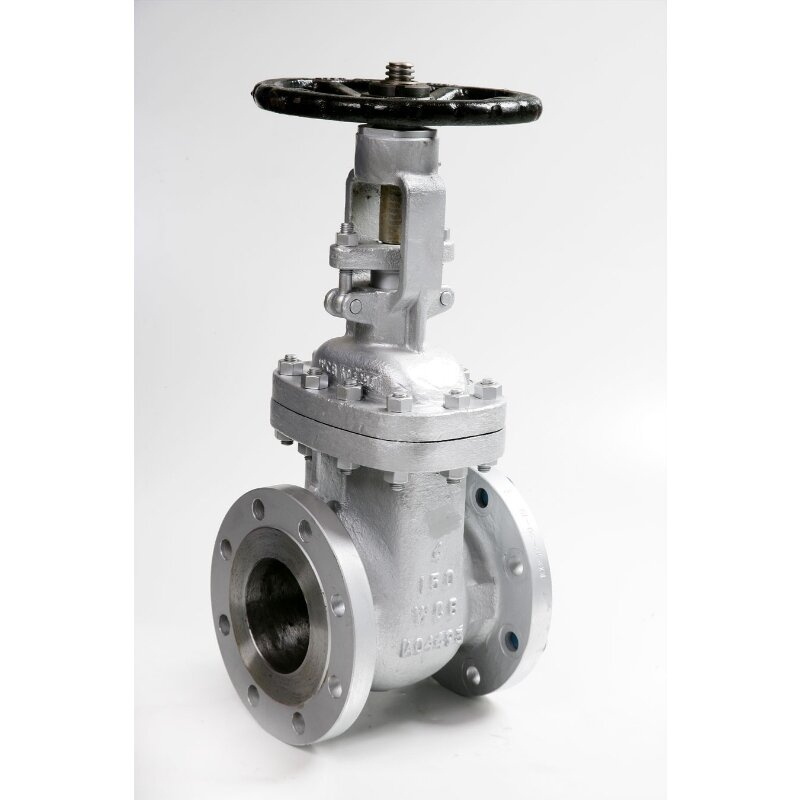
In today's global industrial landscape, selecting the right valve supplier is no longer a simple procurement decision—it is a strategic choice that directly impacts operational safety, system efficiency, and long-term project reliability. Among the wide range of industrial valves, cast steel gate valves remain one of the most widely used solutions for pipeline isolation across industries such as oil and gas, petrochemical processing, power generation, water treatment, and marine engineering.
China has emerged as a major global manufacturing hub for industrial valves, offering a vast number of suppliers with varying capabilities, technologies, and quality standards. While this provides buyers with a wide selection and competitive pricing, it also introduces challenges in identifying truly reliable and high-performance manufacturers.
This industry analysis provides a comprehensive guide to understanding cast steel gate valves, their structure and advantages, and most importantly, how to evaluate and select leading suppliers in China. It also highlights several reputable Chinese manufacturers that have established strong global presence and credibility.
A cast steel gate valve is a type of linear motion valve designed primarily for on/off control in pipeline systems. It operates by lifting or lowering a gate (or wedge) inside the valve body to either allow or block the flow of fluid.
When the valve is fully open, the gate is completely lifted out of the flow path, allowing fluid to pass through with minimal resistance. When fully closed, the gate seats tightly against sealing surfaces, effectively stopping the flow.
Unlike globe valves or control valves, cast steel gate valves are not intended for throttling or flow regulation. Operating them in partially open positions can cause vibration, erosion, and damage to sealing surfaces. Therefore, they are best used in applications requiring full isolation.

Understanding the internal structure of a cast steel gate valve is essential for evaluating product quality and supplier capability.
The valve body is the primary pressure-retaining component. It houses the internal flow path and must be designed to withstand high pressure and temperature conditions. Materials such as carbon steel (WCB, LCB) and alloy steel (WC6, WC9) are commonly used.
The gate is the key sealing element. It moves vertically to open or close the valve. Depending on design, it may be a solid wedge, flexible wedge, or split wedge, each offering different sealing and operational characteristics.
The stem connects the actuator to the gate and transmits motion. Rising stem designs provide visual indication of valve position, while non-rising stems are used in space-limited installations.
The bonnet seals the valve body and provides access for maintenance. Common types include bolted bonnet, pressure seal bonnet, and welded bonnet, each suited to different pressure and temperature conditions.
Gate valves can be operated manually (handwheel), electrically, pneumatically, or hydraulically depending on application requirements.
Cast steel gate valves are widely preferred due to several key benefits:
When fully open, the straight-through flow path minimizes pressure drop, making them ideal for large-volume fluid transport.
Cast steel materials offer excellent mechanical strength, enabling reliable performance under high pressure and high temperature conditions.
Options such as carbon steel, stainless steel, and alloy steel allow adaptation to various operating environments, including corrosive and high-temperature systems.
Precision machining and advanced casting technologies ensure tight shut-off capabilities, reducing leakage risks.
They are suitable for a wide range of industries and fluid types, including liquids, gases, and steam.
Selecting a qualified supplier requires a systematic evaluation across multiple dimensions.
A leading supplier should have integrated production facilities, including:
- Casting or forging workshops
- CNC machining centers
- Assembly lines
- Pressure testing facilities
Vertical integration ensures better quality control, shorter lead times, and consistent product performance.
International certifications are essential indicators of quality and reliability. Look for suppliers compliant with:
- API standards (e.g., API 600, API 6D)
- ASME standards
- ISO 9001 quality management system
- CE (PED) certification
- DIN, BS, and JIS standards
These certifications ensure the valves meet global engineering and safety requirements.
A strong quality control system should include:
- Raw material inspection
- Dimensional verification
- Chemical composition analysis
- Hydrostatic pressure testing
- Air leakage testing
- Surface finishing inspection
Suppliers that conduct 100% inspection before shipment demonstrate a higher commitment to product reliability.
Advanced suppliers invest heavily in research and development. This includes:
- Custom valve design
- Flow simulation (CFD analysis)
- Material innovation
- Performance optimization
R&D capability is particularly important for complex or high-performance applications.
A comprehensive product portfolio indicates strong manufacturing capability. Leading suppliers typically offer:
- Cast steel gate valves
- Globe valves
- Ball valves
- Butterfly valves
- Check valves
- Special valves and wellhead equipment
Customization options for size, material, pressure rating, and end connections are also essential.
Suppliers with international project experience are more likely to understand global standards, logistics, and customer expectations. Export presence in regions such as Europe, North America, and the Middle East is a strong advantage.
Reliable suppliers provide:
- Technical consultation
- Installation guidance
- Maintenance support
- Spare parts availability
Strong after-sales service ensures long-term operational success.
Below are some recognized manufacturers with strong capabilities and global presence:
As part of Landee Industries Co., Ltd., Landee Valve is a modern manufacturer specializing in R&D, production, and international distribution. Its product portfolio includes cast steel gate valves, ball valves, butterfly valves, globe valves, and control valves. The company serves industries such as oil and gas, petrochemical, power, and water treatment, offering reliable solutions worldwide.
Established in 2013, Bosseal integrates engineering, manufacturing, and quality control into a complete production system. With in-house forging, machining, and assembly capabilities, the company produces cast steel gate valves along with a full range of industrial valves for demanding applications.
VERVO is one of the largest industrial valve manufacturers in China, with approximately 15,000㎡ of modern workshop facilities. The company produces cast steel gate valves, ball valves, globe valves, and butterfly valves, adhering to international standards such as API, ASME, and ISO.
KOSEN is known for its high-performance valve solutions, particularly triple-eccentric butterfly valves. Its product line also includes cast steel gate valves, designed for durability and compliance with global standards. The company serves petrochemical, power, and water industries.
With over 15 years of industry experience, Baltic Valve focuses on quality assurance and global service. Its products include cast steel gate valves, ball valves, and check valves, with strict inspection processes ensuring reliability across international markets.
Weldon Valves specializes in a wide range of industrial valves, including cast steel gate valves. The company offers products in sizes from 1/2" to 60" and pressure classes up to 2500 LB, manufactured according to international standards and subjected to rigorous inspection.
China's valve manufacturing industry continues to evolve rapidly, driven by technological innovation and global demand.
Digital Manufacturing
Automation and smart production systems are improving efficiency and consistency.
Advanced Materials
Development of corrosion-resistant alloys and high-temperature materials enhances valve performance.
Customization Demand
Customers increasingly require tailored solutions for specific industrial applications.
Global Expansion
Chinese manufacturers are expanding their presence in international markets through partnerships and certifications.
When selecting industrial suppliers, buyers often make several critical mistakes that can negatively impact project performance, cost efficiency, and long-term reliability. One of the most common errors is choosing a supplier based solely on the lowest price. While cost is important, extremely low pricing may indicate compromised material quality, insufficient testing, or outdated manufacturing processes.
Another frequent mistake is ignoring certifications and international compliance standards. Certifications such as API, ISO, or CE are essential indicators of a manufacturer's technical capability and quality assurance system. Overlooking these requirements may lead to operational risks or regulatory issues.
In addition, many buyers fail to properly evaluate a supplier's quality control system. Without strict inspection procedures—covering raw materials, machining accuracy, pressure testing, and final inspection—the consistency of product quality cannot be guaranteed.
Another overlooked factor is after-sales service capability. Reliable technical support, spare parts availability, and responsive communication are crucial for long-term system stability.
Finally, some buyers neglect to verify actual production capacity. A supplier without sufficient manufacturing capability may face delays, inconsistent delivery schedules, or inability to fulfill large orders.
A balanced and comprehensive evaluation approach is essential to ensure safe procurement decisions and long-term operational reliability.
Selecting a leading cast steel gate valve supplier in China requires careful consideration of manufacturing capability, certifications, quality control, and global experience. While China offers a vast range of suppliers, only a select group can consistently deliver high-quality, reliable, and internationally compliant products.
Cast steel gate valves remain indispensable in industrial systems due to their durability, low flow resistance, and excellent sealing performance. By partnering with reputable manufacturers, businesses can ensure operational efficiency, safety, and long-term success in demanding applications.
As the industry continues to evolve, suppliers that invest in innovation, quality, and global standards will lead the future of valve manufacturing, providing advanced solutions for increasingly complex industrial challenges worldwide.
