Why Quenching and Tempering Is Critical for Automotive and Motorcycle Forged Parts
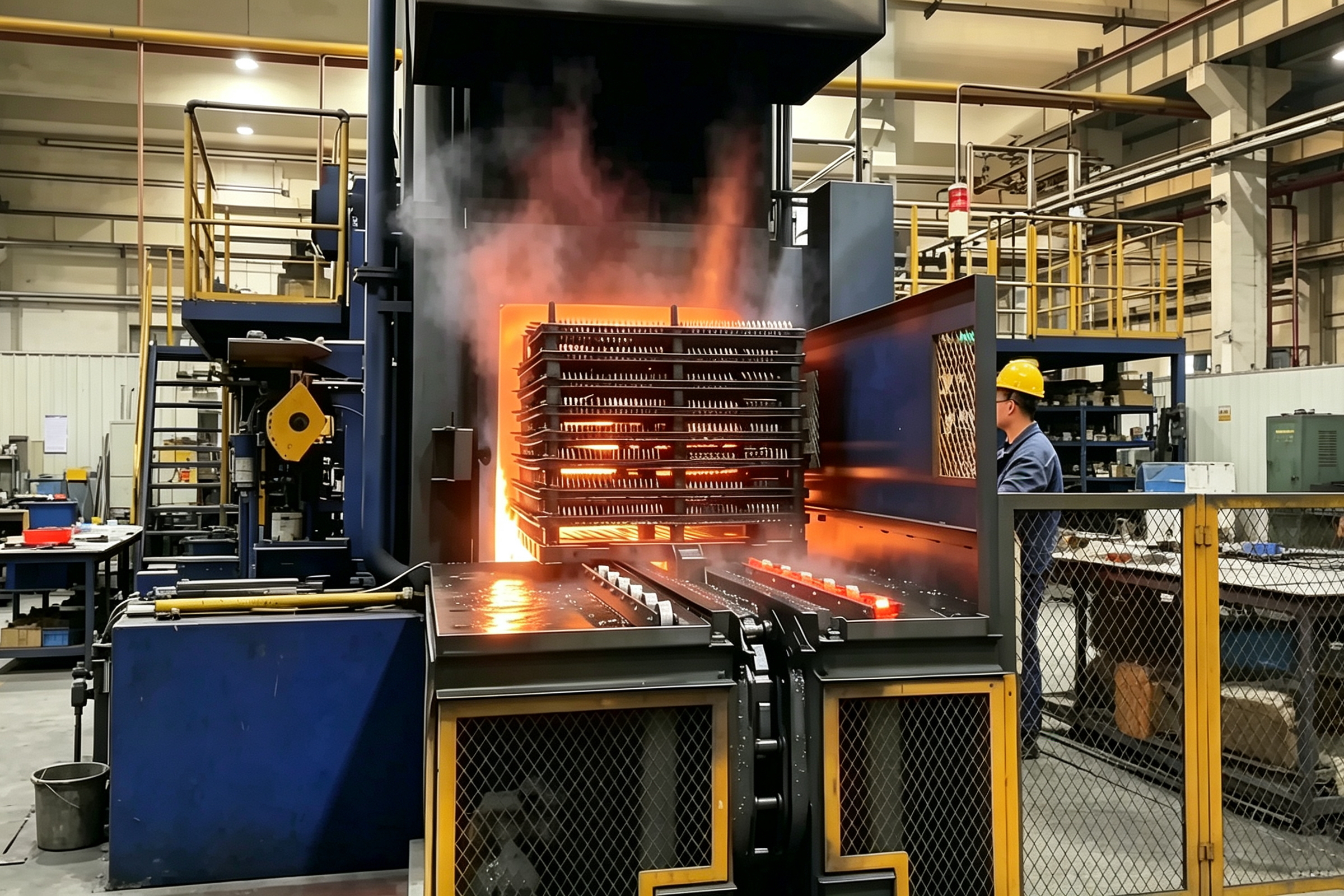
In the modern mechanical manufacturing industry, metal forging parts play an irreplaceable role in automobiles, motorcycles, and engineering equipment. Most load-bearing and impact-resistant core components, such as motorcycle start levers, foot pegs, and automobile control arms, are produced through hot die forging technology. However, many buyers only focus on the appearance, size, and price of forged parts while ignoring the most critical invisible process: quenching and tempering heat treatment. This core process directly determines the service life, safety stability, and mechanical performance of all forged metal parts.
Many people in the industry know that hot die forging can densify the metal grain structure and eliminate internal defects of steel blanks, making the parts stronger in basic texture. But forging alone cannot make steel reach the best comprehensive mechanical properties. Raw forged steel is either too hard and brittle or too soft and easily deformed. Only through professional quenching and tempering treatment can steel achieve the perfect balance of high strength, high toughness, wear resistance and impact resistance.
What Is Quenching? How Does It Change Steel Structure

Quenching is a rapid cooling heat treatment process. The factory first heats the forged steel parts to above the critical phase transition temperature, keeping the metal at a high temperature for an appropriate time to fully transform the internal structure into uniform austenite. Austenite has uniform grain distribution and provides the basic conditions for subsequent structural transformation.
After high-temperature heating, the workpiece is quickly put into cooling medium such as water or quenching oil for instantaneous cooling. The rapid temperature drop prevents the internal metal atoms from rearranging slowly. The austenite structure undergoes forced phase transformation and finally forms martensite structure.
Martensite is the hardest microstructure in carbon steel and alloy steel. It greatly improves the surface hardness, wear resistance and tensile strength of forged parts. For dynamic mechanical parts that work frequently, such as motorcycle starting components, quenching effectively solves the problem of surface wear and structural softening.
However, pure quenching brings an obvious defect: high brittleness. Steel after single quenching is hard but fragile. When encountering sudden impact load, vibration or external pressure, quenched steel is easy to crack or break. This is why no qualified mechanical forged parts can use only quenching treatment in industrial production.
Why Tempering Is Indispensable After Quenching

Tempering is the core process to repair brittleness and release internal stress. After quenching, the metal workpiece retains huge internal stress inside the distorted martensite structure. If the stress is not eliminated, parts will crack naturally during storage, transportation or assembly, and fail prematurely during actual use.
Tempering reheats the quenched parts at a low and medium temperature for a certain period. This process stabilizes the internal martensite structure, transforms unstable hard brittle structures into tempered martensite or sorbite, and completely releases quenching residual stress.
After tempering, the steel properly reduces excessive hardness, greatly improves toughness, ductility and fatigue resistance. The parts will no longer break under impact or deform after repeated stress. This stable mechanical state is the standard that all qualified automotive and motorcycle forged parts must meet.
The Core Value of Quenching and Tempering for Forged Parts
Hot die forging shapes the product and optimizes grain density, while quenching and tempering determines the final service performance. The two processes are complementary and inseparable.
For automotive chassis parts, control arms and motorcycle power transmission components, the working environment is extremely complex. These parts need to bear continuous vibration, alternating load, instantaneous impact and friction wear every day. Without standard quenching and tempering, forged parts have hidden dangers such as insufficient toughness, easy deformation and short service life.
Many customers will find that two forged parts with exactly the same appearance and size have completely different durability. The key difference lies in whether the manufacturer has complete and standardized quenching and tempering heat treatment technology.
Professional Heat Treatment Standard for Finished Forged Parts
As a professional manufacturer of hot die forging parts for automobiles and motorcycles, we focus on finished standard forged components. All products strictly follow standardized quenching and tempering procedures, including precise temperature control, fixed holding time, scientific cooling rate and professional tempering parameters.
Each batch of products will pass mechanical performance testing and metallographic inspection to ensure the internal structure of steel reaches a balanced state of strength and toughness. Our forged parts avoid brittleness failure and permanent deformation, and maintain stable performance under long-term high-frequency use.
We insist on providing high-quality finished forged parts for global mechanical equipment and motorcycle manufacturers. Mature quenching and tempering technology is the core guarantee of product quality.
How to Choose Qualified Forged Parts Effectively
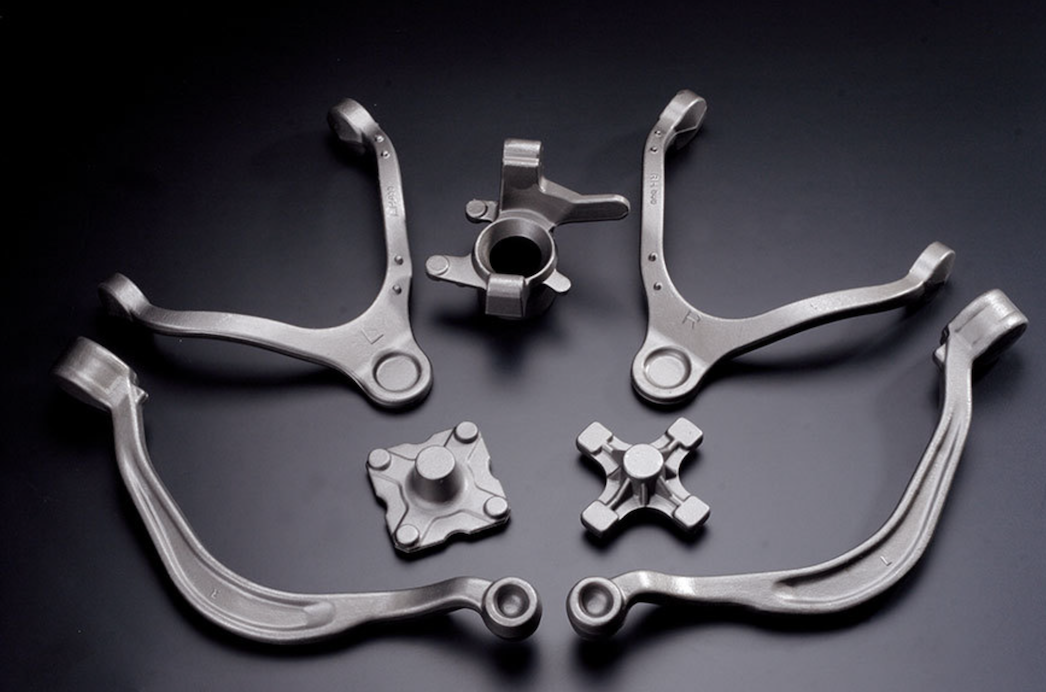
When purchasing auto and motorcycle forged parts, buyers should not only compare price and surface workmanship. The most important evaluation standard is whether the product has complete heat treatment processing.
Forged parts with reasonable quenching and tempering treatment have the following advantages: stable hardness, uniform internal structure, strong impact resistance, no deformation after long-term use, and longer service life.
In conclusion, quenching and tempering is the invisible core technology of high-quality hot die forged parts. It transforms ordinary steel into high-strength and high-toughness mechanical components, and ensures the safety and durability of automotive and motorcycle equipment.
Professional heat treatment process is the fundamental difference between high-standard finished forgings and ordinary rough forgings.