How to Choose a Reliable Plastic Pipes Manufacturer in China
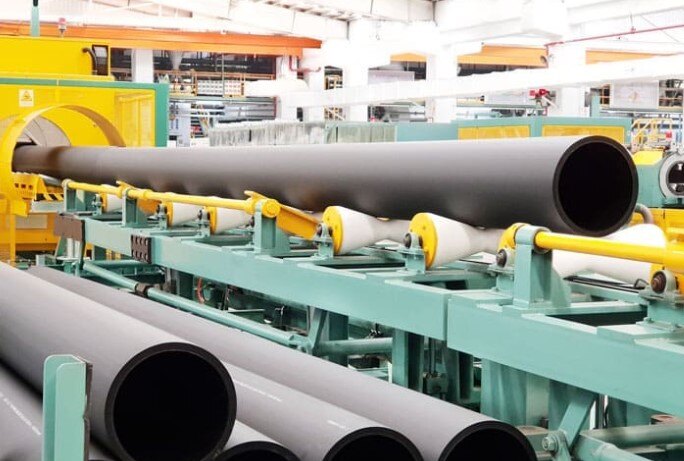
Plastic pipes have become an indispensable part of modern plumbing and industrial systems, replacing many traditional metal pipes due to their numerous advantages. They are widely used in residential, commercial, and industrial applications, including water supply, drainage, sewage, heating systems, and chemical transport. Sourcing high-quality plastic pipes from China can offer cost-effective solutions, but selecting a reliable manufacturer requires careful evaluation to ensure product quality, compliance with standards, and long-term reliability.
This comprehensive guide will help you understand the types of plastic pipes, their benefits and limitations, and how to choose a reputable Chinese manufacturer for your plumbing and industrial needs.
Plastic pipes, such as PVC (Polyvinyl Chloride), CPVC (Chlorinated Polyvinyl Chloride), PPH (Polypropylene Homopolymer), and PPR (Polypropylene Random Copolymer), have several distinct advantages over traditional metal pipes:
- Lightweight and Easy to Install: One of the most notable advantages of plastic pipes is their lightweight nature. Unlike metal pipes, which can be heavy and require additional support and labor during installation, plastic pipes are easy to handle. This reduces labor costs, simplifies installation, and lowers transportation expenses, especially for large-scale projects.
- Corrosion Resistance: Plastic pipes are highly resistant to chemical corrosion and scaling. Unlike copper, steel, or iron pipes, plastic does not rust, rot, or corrode when exposed to water, soil, or chemicals. This ensures a longer service life, particularly for buried pipelines or systems exposed to aggressive fluids.
- Thermal Insulation: Plastic pipes have low thermal conductivity, which reduces heat loss in hot water systems. This makes them energy-efficient, helping maintain water temperature over long distances and lowering overall energy consumption in buildings.
- Cost-Effectiveness: Materials like PPR and PVC are readily available, making plastic pipes more affordable than copper or stainless steel. Coupled with lower installation and maintenance costs, plastic pipes offer a highly cost-effective solution for both domestic and industrial applications.
- Chemical Resistance: Many plastic pipes, such as PPR and UPVC, are resistant to a wide range of chemicals, acids, and alkalis. This makes them ideal for industrial applications where exposure to chemicals is frequent, such as chemical plants, factories, and wastewater treatment systems.
- Longevity and Durability: High-quality plastic pipes can last for decades, even under underground conditions. They are resistant to wear, environmental degradation, and mechanical stresses, ensuring reliable performance over the long term.
- Flexibility: Certain types of plastic pipes, such as CPVC and PPR, are more flexible than metal pipes. This flexibility allows for easier alignment and adaptation to different plumbing configurations, reducing the need for extensive fittings or joints.

Understanding the differences between plastic pipe materials is crucial for selecting the right product for your project. Each material has unique properties suited to specific applications.
PVC pipes are widely used in drainage, waste, vent systems, and cold water supply lines. They are:
- Durable and Low-Cost: PVC pipes are highly durable and affordable, making them popular for residential and commercial plumbing projects.
- Corrosion-Resistant: They do not corrode when exposed to water or soil.
- Low Heat Resistance: PVC can warp at temperatures above 140°F (60°C), so it is not suitable for hot water systems.
- Applications: Cold water supply, drainage, irrigation, sewer systems.
- Fittings: PVC pipe fittings are available in various sizes to ensure proper connections and prevent leaks.
While PVC is ideal for many water supply and drainage applications, its limitations in heat and pressure resistance make it unsuitable for certain industrial or hot water projects.
CPVC pipes are PVC pipes that have undergone chlorination, enhancing their heat and pressure resistance. Key features include:
- Hot Water Compatibility: CPVC can handle higher temperatures, making it ideal for hot water lines in homes and commercial buildings.
- Flexibility: More flexible than standard PVC, allowing easier installation in tight spaces.
- Chemical Resistance: CPVC maintains resistance to corrosion and most chemicals, making it suitable for industrial applications.
- Limitations: CPVC pipes can crack in freezing conditions, so they are not suitable for water mains that are buried in cold climates.
- Applications: Hot and cold water distribution, industrial plumbing, chemical transport.
- Fittings: CPVC pipe fittings ensure secure connections and maintain system integrity under high-temperature conditions.
By using CPVC, manufacturers provide a reliable solution for systems where PVC is insufficient, especially in hot water applications.
PPH pipes offer superior mechanical and chemical resistance, making them ideal for demanding applications:
- High Tensile Strength: Excellent resistance to pressure and mechanical stress.
- Chemical Durability: Resistant to most chemicals and stress cracking.
- Simple Welding: Easy to join with heat fusion, simplifying installation.
- Limitations: Can become brittle at low temperatures; working temperature around 100°C.
- Applications: Industrial plumbing, chemical transport, wastewater systems.
Manufacturers producing PPH pipes often conduct rigorous testing to ensure durability, chemical resistance, and compliance with international standards. This ensures a reliable product suitable for high-demand industrial settings.
PPR pipes are highly versatile and widely used in modern plumbing systems:
- Applications: Water supply, sewage systems, gas supply (solvent-welded only), heat insulation, cold water supply, and cooling systems.
- Durability: Resistant to corrosion, chemicals, and environmental stress, making them suitable for underground installation.
- Energy Efficiency: Their thermal insulation properties reduce heat loss in hot water systems.
- Long Lifespan: PPR pipes are durable, rust-free, and corrosion-resistant.
- Cost Advantage: PPR materials are readily available, making them cheaper than metals like copper.
- Fittings: PPR pipe fittings are designed to ensure proper connections for energy-efficient plumbing systems.
PPR pipes are commonly used in residential and industrial applications due to their flexibility, reliability, and cost-effectiveness.
UPVC pipes are rigid and highly resistant to chemicals:
Strength and Durability: UPVC maintains high structural integrity, ideal for industrial and chemical applications.
Corrosion Resistance: Fully resistant to rust and chemical attack.
Applications: Industrial plumbing, chemical plants, wastewater treatment systems.
Selecting UPVC is particularly useful when structural strength and chemical resistance are top priorities.
Finding a reliable manufacturer in China requires careful evaluation of several key factors:
Ensure the manufacturer adheres to international standards such as ASTM, ISO, or EN certifications. Pipes should be tested for:
- Tensile and mechanical strength
- Pressure and temperature tolerance
- Chemical and environmental resistance
- Long-term durability
High-quality products meet regulatory standards and reduce the risk of failure or leakage.
A reputable manufacturer offers a variety of pipes, including PVC, CPVC, PPH, PPR, and UPVC, along with corresponding fittings. Specialized manufacturers can advise on material selection based on:
- Domestic or industrial plumbing
- Hot or cold water applications
- Buried pipelines or above-ground installation
- Chemical transport or wastewater handling
Manufacturers with strong technical capabilities provide more than just pipes—they offer:
- Installation guidance
- Product testing and inspection
- Customized solutions for unique project requirements
- Research and development for advanced pipe materials
This expertise ensures your piping system is reliable, efficient, and optimized for its specific use.
Large-scale projects require manufacturers with sufficient production capacity to meet deadlines. Consider:
- Daily or monthly production output
- Supply chain stability
- Ability to scale production for bulk orders
- Consistency in delivery schedules
A reliable manufacturer minimizes downtime and ensures timely project completion.
Some projects require specific pipe dimensions, materials, or fittings. Manufacturers that offer:
- Custom pipe lengths and diameters
- Specialized fittings or coatings
- Technical support and after-sales service
They can better accommodate unique requirements and ensure system compatibility.
Research potential manufacturers by examining:
- Client testimonials and case studies
- Years of experience in plastic pipe manufacturing
- Market presence and references
- Export experience and regulatory compliance
A manufacturer with a strong reputation is more likely to provide high-quality, durable products and reliable support.
While cost is important, it should not compromise quality. High-quality plastic pipes require consistent raw materials, production precision, and thorough testing. Compare manufacturers to find a balance between price and long-term value.
China is a global leader in plastic pipe production, offering:
- Advanced production technologies for PVC, CPVC, PPH, and PPR pipes
- Competitive pricing and cost-effective solutions
- Large-scale production capacity
- Wide availability of pipe fittings and accessories
- Compliance with international quality standards
- Custom solutions and technical support
Partnering with a reliable Chinese manufacturer ensures access to durable, high-performance pipes and fittings for both domestic and industrial applications.
Selecting the right plastic pipe manufacturer in China requires thorough evaluation of product quality, certifications, technical expertise, production capacity, and market reputation. Understanding the differences between PVC, CPVC, PPH, PPR, and UPVC pipes is crucial to ensure your project’s plumbing system meets performance, safety, and durability requirements. By carefully considering these factors, you can secure a reliable supplier capable of delivering cost-effective, long-lasting, and high-quality plastic piping solutions.
Choosing a trusted manufacturer will not only simplify procurement but also ensure that your plumbing systems—whether for residential, commercial, or industrial applications—operate efficiently and reliably for decades to come.
Sourcing high-quality plastic pipes from reliable Chinese manufacturers ensures performance, durability, and compliance with international standards. The following companies are recommended:
- Xiamen Landee Industries Co., Ltd. – Founded in 1994, Landee specializes in steel and plastic pipes, valves, flanges, fittings, and related hardware. Their plastic pipes include UPVC, CPVC, PPH, and HDPE, meeting ISO, ANSI, DIN, and JIS standards. With ISO 9001 certification, OEM capabilities, and a global export footprint across North America, Europe, the Middle East, and Asia, Landee serves oil & gas, chemical processing, water treatment, and industrial infrastructure sectors, supported by R&D and quality control teams.
- Landee Pipe, a division of Xiamen Landee, focuses on industrial piping solutions, including welded and seamless steel pipes, heat exchanger tubes, and plastic pipes. Compliant with API, ANSI, EN, and ISO standards, Landee Pipe caters to oil & gas, energy, mining, and construction projects worldwide, combining extensive production capacity with strict quality control.
- Ningbo Sunplast Pipe Co., Ltd. – Established in 2000, Sunplast produces HDPE, PPR, multi-layer composite pipes (PEX‑AL‑PEX, PERT‑AL‑PERT, PE‑AL‑PE), and pipe fittings. With over 200 employees and annual exports exceeding 15,000 tons, Sunplast serves global markets including North and South America, Europe, and the Middle East. The company emphasizes OEM/ODM services, international standard compliance, and one-stop solutions for water, gas, and industrial piping systems.
These manufacturers offer extensive product ranges, technical expertise, and proven global reliability, making them ideal partners for sourcing plastic pipes from China.
