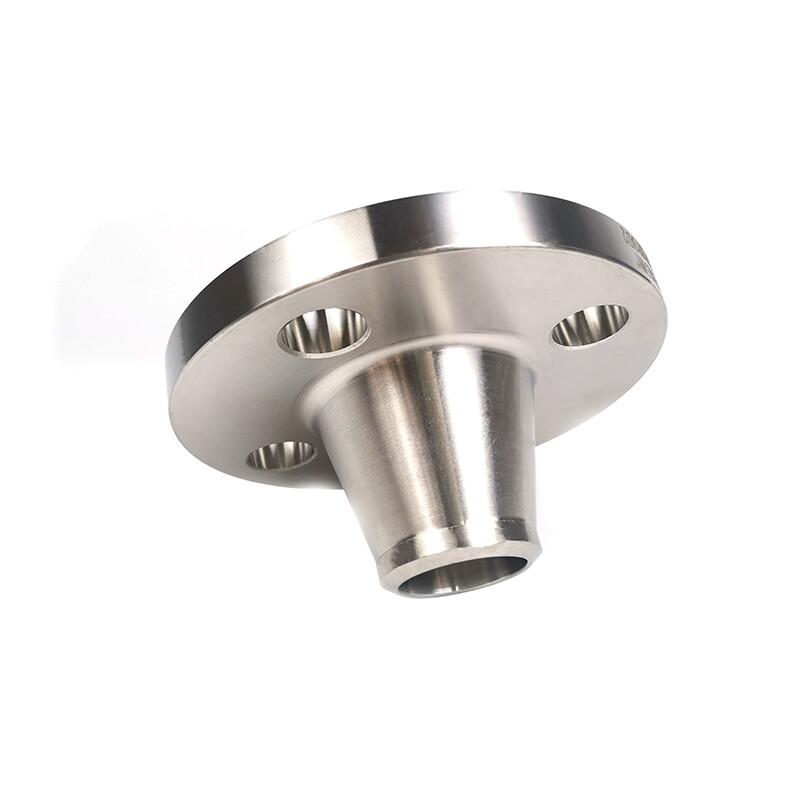
Valve Joint WN Flange, 2 Inch, High Temperature
Model Number: QS 24 FG 029
Key Specifications / Features
Valve Joint WN Flange, Size 2 Inch, High Temperature, High Pressure and High Sealing Requirements, Forged Process Method, Good Sealing, Strong Stiffness, 6 Dollars Per Kilo, Material Stainless Steel, Class 300LB
Detail Information
Name: Valve Joint WN Flange
Type: WN
Size: 2 Inch
Usage: High Temperature, High Pressure and High Sealing Requirements
Material: Stainless Steel
Process Method: Forged
Feature: Strong Stiffness, Good Sealing
Face: RF
Class: 300LB
Price: 6 Dollars Per Kilo
Type: WN
Size: 2 Inch
Usage: High Temperature, High Pressure and High Sealing Requirements
Material: Stainless Steel
Process Method: Forged
Feature: Strong Stiffness, Good Sealing
Face: RF
Class: 300LB
Price: 6 Dollars Per Kilo
Supplier Information
XIAMEN QISHINE IMP.& EXP. CO., LTD.
Verified Supplier
NO.1 FENGZE YUAN,JINFENG LI,NO.17 JINSHENG LI,XIAMEN,CHINA
Est. 2013
Certifications:
API 6A

qi********03
5487 article(s)
Comments
Leave a Comment